Few slang terms have sparked as much debate as tramp stamp. At first glance, it may sound like a harmless nickname for a tattoo, but its history tells a very different story.
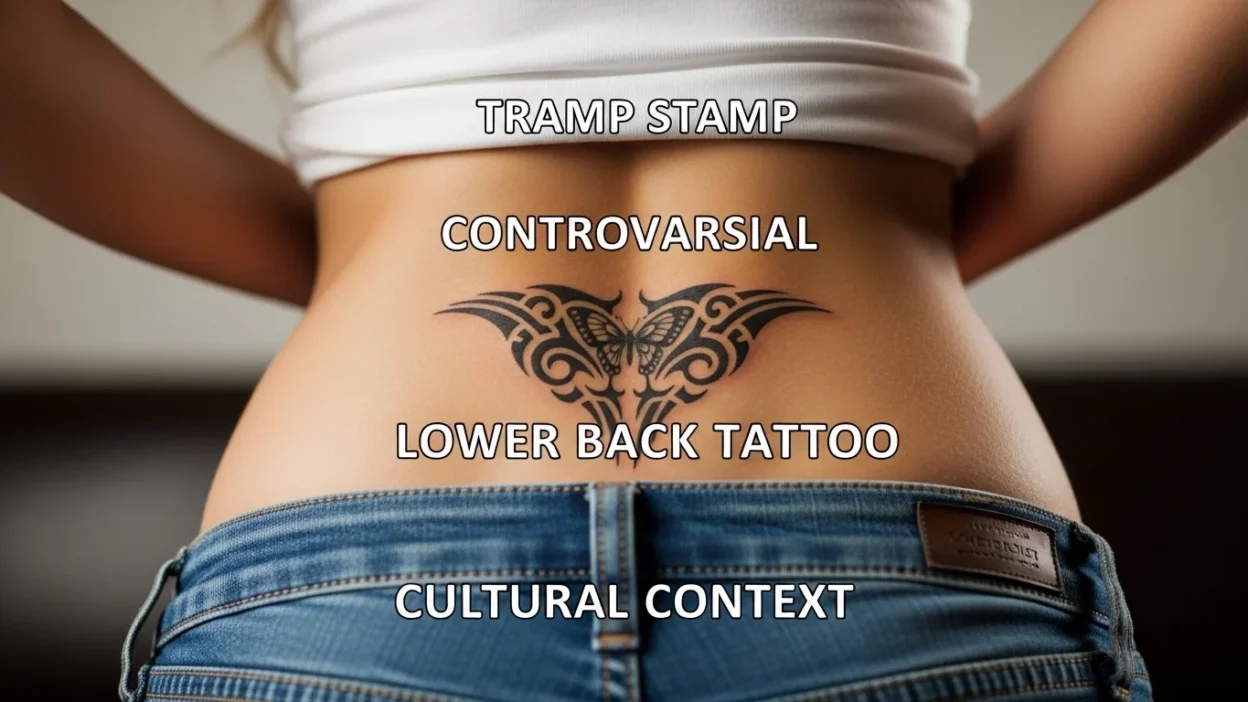
In reality, tramp stamp is a controversial slang term traditionally used to describe a lower-back tattoo—most commonly on women—but many people now consider the phrase outdated, judgmental, and offensive because it unfairly stereotypes the person wearing the tattoo.
As tattoos have become more accepted in mainstream culture, attitudes toward both the artwork and the label have changed dramatically. Whether you discovered the term in a movie, TV show, podcast, social media post, or everyday conversation, understanding its background is essential.
This guide explains the tramp stamp meaning, origin, history, cultural significance, why the term is considered offensive by many, respectful alternatives, and exactly how its meaning has evolved over the years.
What Is a Tramp Stamp?
A tramp stamp is an informal slang term for a tattoo placed on the lower back, usually centered just above the hips or waistband.
The phrase describes where the tattoo is located, not what it looks like. Whether the design features a butterfly, flowers, stars, tribal artwork, or fine-line patterns, it’s the placement that led to the nickname.
Although the expression is widely recognized, tattoo artists and many enthusiasts generally prefer the neutral term lower-back tattoo, especially in professional settings.
Quick Fact: A lower-back tattoo doesn’t have a fixed meaning. Its symbolism comes from the design itself—not the location on the body.
Tramp Stamp Definition
The definition of tramp stamp is straightforward:
A slang term used to describe a tattoo placed on the lower back, typically just above the hips.
The term became closely associated with early-2000s fashion, but the tattoo placement itself has existed for much longer across different cultures and artistic traditions.
Today, the phrase may be used humorously, ironically, or critically depending on the speaker and the context.
Where Is a Tramp Stamp Located?
The classic tramp stamp location is the lower lumbar area of the back, directly above the hips and below the waistline.
This placement became especially fashionable during the late 1990s and early 2000s because it paired well with low-rise jeans and crop tops—two defining trends of the Y2K era.
Many people still choose this location because it offers several practical benefits:
- Creates a balanced, symmetrical look
- Works well for both small and detailed designs
- Can be easily covered or displayed
- Provides enough space for custom artwork
Today, modern lower-back tattoos often feature elegant fine-line illustrations, botanical designs, celestial themes, or ornamental patterns instead of the bold tribal styles that were common two decades ago.
Why Is It Called a Tramp Stamp?
One of the most frequently searched questions is “Why is it called a tramp stamp?”
The phrase combines two words:
- Tramp, a slang term that was historically used as a derogatory label for a woman considered sexually promiscuous.
- Stamp, referring to a visible mark placed on the body.
As lower-back tattoos became more visible in pop culture during the early 2000s, the nickname spread quickly through television, comedy, magazines, and internet forums. Unfortunately, it also reinforced stereotypes that unfairly judged people—particularly women—based solely on the location of their tattoo.
Because of this history, many people now consider the expression outdated or disrespectful. Others have reclaimed it with humor or pride, using it to celebrate a fashion trend that has returned in recent years.
Editor’s Insight: If you’re discussing tattoo placement in a professional, educational, or respectful setting, lower-back tattoo is generally the preferred term. It describes the tattoo accurately without carrying the historical stigma associated with the slang phrase.
🌸 The Origin and History of the Term “Tramp Stamp”
Although lower-back tattoos have existed for centuries, the nickname “tramp stamp” is relatively modern.
The phrase became widely recognized in the late 1990s and early 2000s, when lower-back tattoos became one of the biggest tattoo trends of the Y2K era. Fashion trends such as low-rise jeans, crop tops, and celebrity-inspired styles made these tattoos highly visible, helping the slang spread through pop culture.
It’s important to understand that the tattoo placement existed long before the nickname. The slang term was created later and reflected cultural attitudes of the time—not the tattoo itself.
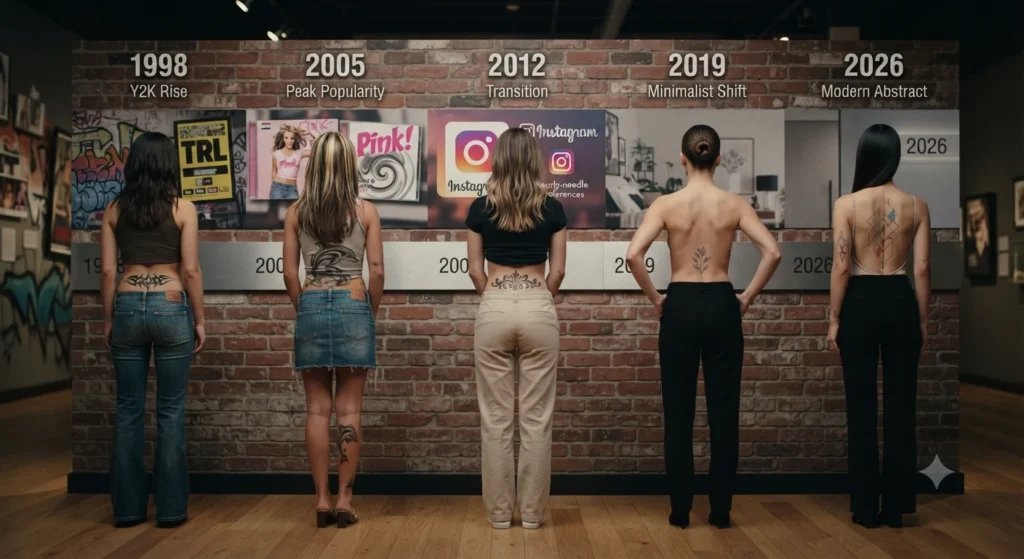
A Brief Timeline
| Year | What Happened |
|---|---|
| Before the 1990s | Lower-back tattoos were worn in various cultures but weren’t a mainstream fashion trend. |
| Late 1990s | Celebrities and pop icons helped popularize lower-back tattoos. |
| Early 2000s | The phrase “tramp stamp” became widely used in movies, magazines, and online forums. |
| 2010–2018 | The trend declined as minimalist tattoo styles became more popular. |
| 2020–2026 | Y2K fashion revived interest in lower-back tattoos, with many people embracing the style without the old stereotypes. |
Did You Know?
The nickname became famous much later than the tattoo placement itself. Many tattoo historians point out that lower-back tattoos have been part of body art traditions for decades before the slang term appeared.
Why Did the Phrase Become Controversial?
One reason this phrase remains controversial is that it attached a stereotype to a specific tattoo placement.
During the early 2000s, some media outlets and comedians used “tramp stamp” to suggest that women with lower-back tattoos were seeking attention or were sexually promiscuous. Over time, many people criticized this stereotype as unfair and sexist.
Today, attitudes have shifted considerably. Rather than judging tattoo placement, most people recognize that tattoos are a form of personal expression, and the phrase is now viewed very differently depending on the speaker’s intent.
For this reason, many writers and tattoo professionals prefer using lower-back tattoo in neutral discussions.
Is “Tramp Stamp” Offensive?
The answer is it depends on the context.
Some people still consider the phrase offensive because of its history, while others use it jokingly or even proudly when referring to their own tattoo.
In general:
It may be considered offensive when:
- It’s used to insult or stereotype someone.
- It’s directed at another person without knowing how they feel about the term.
- It’s used to shame someone for their appearance or body art.
It’s generally acceptable when:
- Someone uses it to describe their own tattoo.
- It’s discussed in the context of tattoo history or pop culture.
- The conversation acknowledges the phrase’s controversial background.
Expert Insight: Respectful language is always the safest choice. If you’re unsure, use lower-back tattoo, which is accurate, neutral, and widely accepted.
Tramp Stamp Meaning in Slang
In modern slang, tramp stamp is simply another name for a lower-back tattoo.
Unlike its original use, today’s slang often carries a lighter or nostalgic tone, especially online.
You’ll frequently see the phrase used in:
- TikTok videos
- Instagram captions
- Reddit tattoo discussions
- Meme culture
- Y2K fashion content
Many younger users treat the phrase as part of internet culture rather than as an insult.
Tramp Stamp Meaning on a Woman vs. a Man
Historically, the nickname was almost always associated with women, largely because of outdated stereotypes promoted by pop culture.
However, tattoo placement has nothing to do with gender.
Anyone can choose a lower-back tattoo, and many men do.
Today:
On a Woman
A lower-back tattoo is simply another placement option. It doesn’t suggest anything about personality, lifestyle, or values.
On a Man
Although the phrase is less commonly used, men also get lower-back tattoos for aesthetic or personal reasons. Most tattoo artists simply describe the placement rather than applying gender-based labels.
This shift reflects how tattoo culture has become more inclusive over the past decade.
💪 What Does Robust Mean? Full Guide 📘 |
What Does a Tramp Stamp Symbolize?
One of the biggest misconceptions is that every tramp stamp has the same meaning.
That’s not true.
The nickname refers only to the tattoo’s location.
Its symbolism comes from the artwork itself.
Here are some of the most common designs and what they often represent:
| Design | Common Meaning |
|---|---|
| 🦋 Butterfly | Transformation, freedom, personal growth |
| ⭐ Star | Hope, ambition, guidance |
| 🌸 Flowers | Beauty, renewal, resilience |
| 🌙 Moon | Change, intuition, femininity |
| 🪽 Wings | Protection, independence, spirituality |
| 🌿 Ornamental Designs | Balance, elegance, artistic expression |
Rather than asking, “What does a tramp stamp mean?”, it’s often more accurate to ask, “What does this tattoo design symbolize?”
Why Lower-Back Tattoos Are Popular Again
After fading from mainstream fashion for several years, lower-back tattoos are making a strong comeback.
Several trends have contributed to their revival:
- The return of Y2K fashion
- Growing acceptance of body art
- Fine-line and minimalist tattoo styles
- Greater focus on individuality and self-expression
- Social media showcasing modern tattoo designs
Unlike the early 2000s, today’s trend focuses less on following fashion and more on choosing tattoos with personal meaning.
Many people now view lower-back tattoos as timeless body art rather than a passing trend.
Popular Tramp Stamp Tattoo Designs and Their Meanings
A tramp stamp doesn’t have one universal meaning. While the phrase refers to the tattoo’s placement, the design tells the personal story behind it.
Here are some of the most popular lower-back tattoo designs and what they often symbolize:
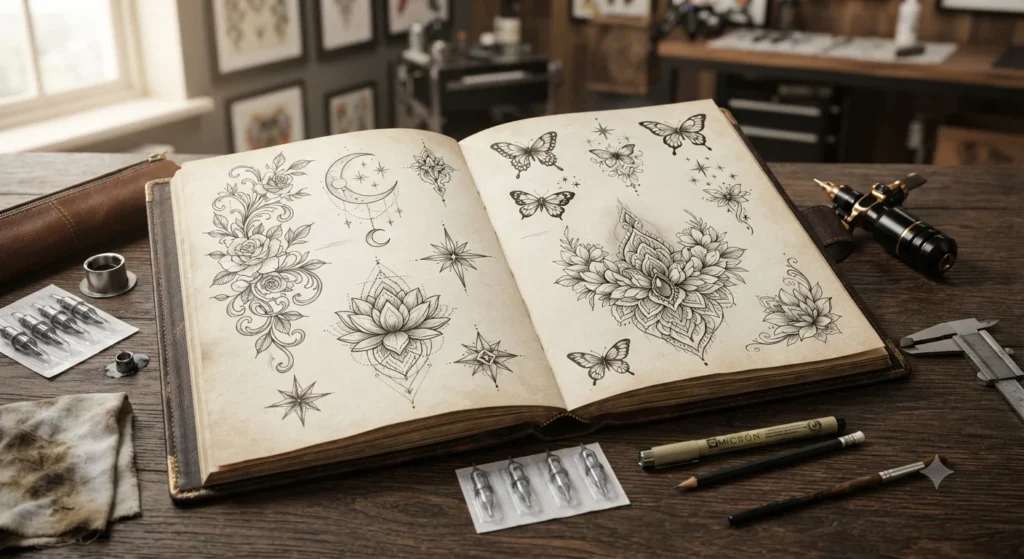
| Tattoo Design | Common Meaning |
|---|---|
| 🦋 Butterfly | Personal growth, freedom, transformation |
| ⭐ Star | Hope, dreams, ambition, guidance |
| 🌸 Lotus Flower | New beginnings, resilience, inner peace |
| 🌿 Floral Vine | Beauty, femininity, growth |
| 🌙 Moon | Change, intuition, balance |
| 🪽 Angel Wings | Protection, spirituality, remembrance |
| ✨ Ornamental Pattern | Elegance, creativity, individuality |
Ultimately, the meaning comes from the person wearing the tattoo—not its placement.
Front Tramp Stamp vs. Lower-Back Tramp Stamp
You may have also heard the phrase front tramp stamp online.
Unlike the traditional lower-back tattoo, a front tramp stamp is an informal nickname for a tattoo placed on the lower abdomen, just below the belly button.
| Placement | Common Name |
|---|---|
| Lower back | Tramp stamp (slang) / Lower-back tattoo |
| Lower abdomen | Front tramp stamp (internet slang) |
Neither term has an official definition in the tattoo industry. Most tattoo artists simply describe the placement rather than using slang.
Tattoo Artist Perspective
Professional tattoo artists rarely use the phrase “tramp stamp” with clients.
Instead, they prefer lower-back tattoo, as it’s descriptive, respectful, and free from stereotypes.

Many artists also appreciate the lower back because it offers:
- A balanced canvas for symmetrical artwork.
- Enough space for intricate designs.
- Easy concealment or visibility depending on clothing.
- Long-lasting visual appeal for many tattoo styles.
Expert Insight: A tattoo’s value isn’t determined by where it’s placed—it’s defined by the meaning it holds for the person wearing it. Modern tattoo culture encourages personal choice over outdated labels.
Common Myths About Tramp Stamps
Let’s separate fact from fiction.
| Myth | Reality |
|---|---|
| Only women get tramp stamps. | People of all genders choose lower-back tattoos. |
| Every tramp stamp has the same meaning. | The symbolism depends on the tattoo design, not the placement. |
| Lower-back tattoos are outdated. | They’re enjoying a strong comeback thanks to the Y2K revival. |
| “Tramp stamp” is the professional term. | Tattoo artists generally use lower-back tattoo instead. |
| A tramp stamp says something about someone’s personality. | A tattoo doesn’t define a person’s character or lifestyle. |
How to Use the Term Respectfully
Language matters, especially when discussing body art.
✅ Do
- Use lower-back tattoo in professional or educational writing.
- Respect the words people use for their own tattoos.
- Mention the term’s history if you’re explaining its meaning.
❌ Don’t
- Use the phrase to insult or stereotype someone.
- Assume everyone with a lower-back tattoo identifies with the slang.
- Judge a person based on tattoo placement.
Choosing respectful language makes conversations more accurate and inclusive.
Frequently Asked Questions
What does tramp stamp mean?
A tramp stamp is a slang term for a tattoo placed on the lower back, usually just above the hips.
Why is it called a tramp stamp?
The nickname emerged during the early 2000s and combined the derogatory slang word “tramp” with “stamp,” reflecting stereotypes that many people now reject.
Is tramp stamp an offensive term?
It can be. Some people consider it disrespectful because of its history, while others use it playfully or have reclaimed it for themselves.
What is another name for a tramp stamp?
The neutral and widely accepted term is lower-back tattoo.
What does a butterfly tramp stamp mean?
A butterfly tattoo commonly symbolizes transformation, freedom, and personal growth. The meaning comes from the butterfly—not the tattoo’s location.
What does a star tramp stamp mean?
Star tattoos often represent hope, ambition, guidance, and achieving personal goals.
Are tramp stamps coming back in style?
Yes. The return of Y2K fashion and modern fine-line tattoo styles has renewed interest in lower-back tattoos.
Can men have tramp stamps?
Yes. Men also choose lower-back tattoos, although the slang nickname is used less frequently for them.
Do lower-back tattoos hurt?
Pain varies from person to person, but the lower back is generally considered a moderately sensitive tattoo location.
Does a lower-back tattoo have a special meaning?
Not by itself. The tattoo’s symbolism depends on its design and the wearer’s personal story.
Conclusion
The tramp stamp meaning has evolved far beyond the stereotype that made the phrase famous in the early 2000s. While the term began as slang with negative connotations, many people now view it through a different lens—as part of tattoo history, Y2K culture, or even a symbol of confidence and individuality.
Whether you call it a tramp stamp or a lower-back tattoo, the most important thing to remember is that body art is personal. A tattoo’s placement doesn’t define someone’s character, and its true meaning comes from the story, memories, or values it represents.
As tattoo culture continues to grow, respectful language and personal choice matter far more than outdated labels.

Ryan Blake is a content writer at Meanovia, focused on slang, texting meanings, and internet phrases. He simplifies modern online language into easy, clear, and engaging explanations 💬✨