
Ever felt hesitant about doing something — maybe saying yes to an invitation or starting a new job — even though you knew you should? That feeling is what we call being reluctant. 😬
The word reluctant appears often in conversations, essays, and even headlines, but many people aren’t fully sure what it really means or how to use it properly.
In this article, we’ll cover:
✅ The definition of reluctant
📜 Its origin and history
💬 Different contexts and real-life meanings
💡 Examples in everyday use
🚫 Common mistakes and FAQs
By the end, you’ll confidently understand what “reluctant” means and how to use it the right way.
💡 What Does Reluctant Mean?
“Reluctant” means feeling unwilling or hesitant to do something.
It’s an adjective used to describe when someone doesn’t want to act or feels resistance, even if they end up doing it.
Example:
“She was reluctant to speak in front of the class.”
In short, being reluctant means you don’t want to do something, but you might do it anyway.
🕰️ Origin and Popularity
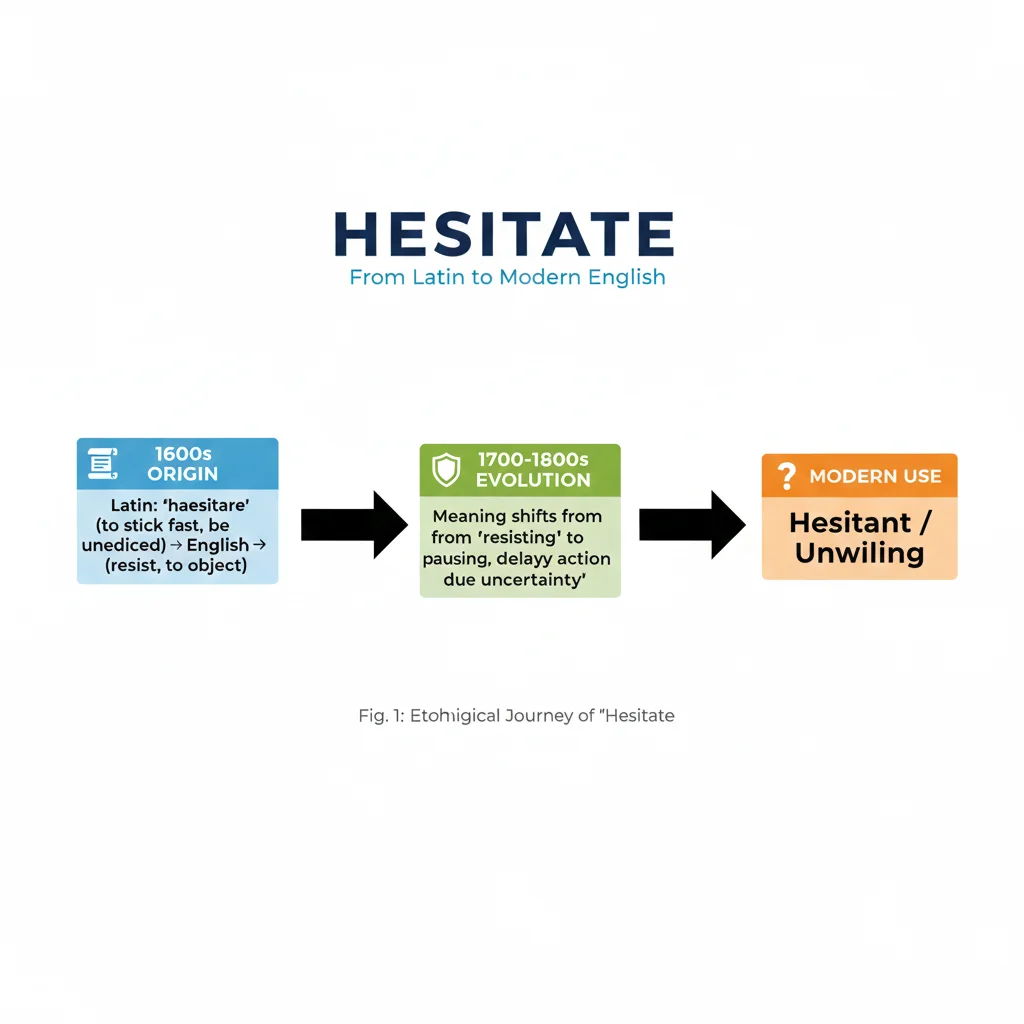
The word reluctant comes from the Latin word “reluctari,” meaning “to struggle against.”
It first appeared in English in the 1600s, describing physical resistance — like struggling against a force. Over time, it evolved into describing mental or emotional hesitation, such as being unwilling or unsure about doing something.
Today, reluctant is a common word in both spoken and written English, used in everything from school essays to everyday chats and business discussions.
🗣️ Reluctant Meaning in Different Contexts
🗨️ In Everyday Conversation
Used to show hesitation or unwillingness:
“I was reluctant to go out last night because I was tired.”
It expresses mild resistance — not a firm “no,” but more of a “I don’t really want to.”
💼 In Business or Formal Writing
In formal contexts, reluctant often reflects caution or hesitation before making a decision.
“The company was reluctant to invest in the project without guaranteed returns.”
It’s used to show thoughtfulness or restraint, rather than fear.
🎬 In Media or Storytelling
Writers often use reluctant to describe characters who hesitate before taking on challenges.
“The reluctant hero stepped forward to face his destiny.”
| Context | Meaning of ‘Reluctant’ | Example |
| Casual Talk | Unwilling or hesitant | “I’m reluctant to try sushi.” |
| Business | Cautious or reserved | “They were reluctant to approve the merger.” |
| Literature | Hesitant but destined | “The reluctant warrior fought for peace.” |

💬 Examples of ‘Reluctant’ in Conversations
Example 1:
Friend 1: Want to join the karaoke night?
Friend 2: Hmm, I’m a bit reluctant. I don’t like singing in front of people. 🎤
Example 2:
Manager: You seem reluctant to share your opinion. Is something bothering you?
Example 3 (Formal):
“He was reluctant to accept the award, believing others deserved it more.”
Example 4:
Teacher: Don’t be reluctant to ask questions — that’s how you learn!
🔍 Similar or Related Terms
Here are some words closely related to reluctant and how they differ 👇
| Word | Meaning | Difference from ‘Reluctant’ |
| Hesitant | Unsure or nervous before acting | Focuses on doubt, not unwillingness |
| Unwilling | Refusing to do something | Stronger, more negative tone |
| Cautious | Careful or reserved | Implies thinking carefully, not resisting |
| Averse | Strongly disliking something | More emotional and firm |
| Resistant | Opposing an idea or action | Physical or emotional pushback |
🧠 How to Use ‘Reluctant’ Correctly
✅ Do’s:
- Use reluctant when someone doesn’t want to do something but might do it anyway.
- Apply it in both casual and formal settings.
❌ Don’ts:
- Don’t use reluctant when someone is completely refusing — that’s unwilling or opposed.
- Don’t confuse it with shy — reluctance isn’t always about confidence.
Examples:
✅ “She was reluctant to take the job because of the long commute.”
❌ “She was reluctant to eat because she was full.” (Better: “unwilling” or “not hungry”)
⚠️ Common Mistakes or Misinterpretations
- Mistake 1: Thinking reluctant means refusing.
→ Reluctant means hesitant but still possible. Refusing means definitely not. - Mistake 2: Using it as a synonym for lazy.
→ Being reluctant isn’t about laziness — it’s about emotional or mental hesitation. - Mistake 3: Overusing it in casual speech.
→ In texting, simpler words like unsure or don’t feel like it sound more natural.
❓ FAQ Section
1. What does ‘reluctant’ mean in English?
Reluctant means unwilling or hesitant to do something, often because of doubt, fear, or discomfort.
2. Is ‘reluctant’ positive or negative?
It’s generally neutral to slightly negative — it shows hesitation, not outright refusal.
3. Is ‘reluctant’ a feeling or an action?
It describes a feeling or attitude, not an action. It expresses the emotional resistance behind a choice.
4. What’s the difference between ‘reluctant’ and ‘unwilling’?
Reluctant means hesitant but might still do it. Unwilling means completely refusing.
5. Can ‘reluctant’ be used in formal writing?
Yes! It’s often used in essays, reports, and business writing to show thoughtful hesitation.
6. How do you pronounce ‘reluctant’?
It’s pronounced /rɪ-ˈlʌk-tənt/ — ri-LUK-tuhnt.
🏁 Conclusion
In summary, “reluctant” means being hesitant or unwilling to do something, often because of doubt or discomfort. Originating from Latin roots meaning “to struggle against,” the term captures that internal tug-of-war between wanting and not wanting to act.
Whether in daily talk, writing, or formal speech, reluctant perfectly expresses gentle resistance — that moment before saying yes when your heart says “maybe.” 💭
Now that you know the real reluctant meaning, you’ll never misuse it again! Keep learning new words to express your thoughts more precisely.