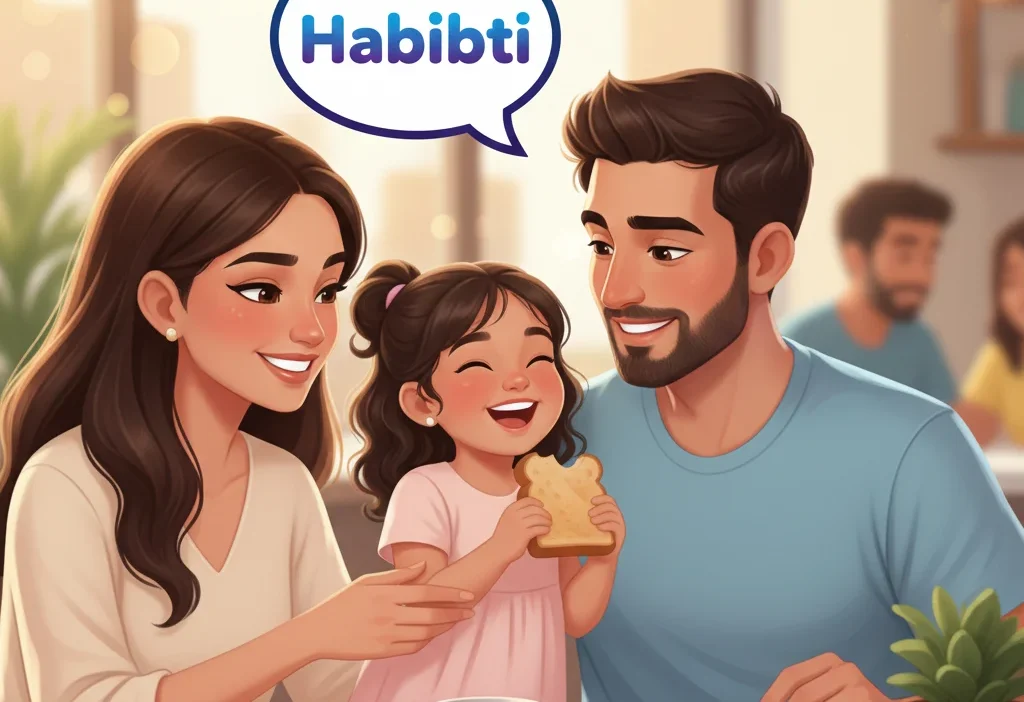
Ever been called “habibti” by someone and wondered what it means? 🥰 This beautiful word often appears in Arabic songs, movies, and romantic messages — and it carries deep warmth and affection.
In this guide, you’ll learn:
💬 The meaning of habibti
📜 Its origin and cultural background
🌍 How it’s used on social media and in daily life
💌 Real-life examples and conversation uses
🔠 Related Arabic terms like habibi
By the end, you’ll know exactly when and how to use this sweet term of love — like a native speaker!
💬 What Does Habibti Mean?
“Habibti” (حبيبتي) means “my beloved” or “my darling” in Arabic and is used to address a female affectionately.
It’s the feminine form of habibi (حبيبي), which means “my love” for a male. You’ll often hear habibti in greetings, romantic conversations, or friendly chats among Arabic speakers.
Example:
“Good morning, habibti! How are you today?” 🌞
🕰️ Origin and Popularity
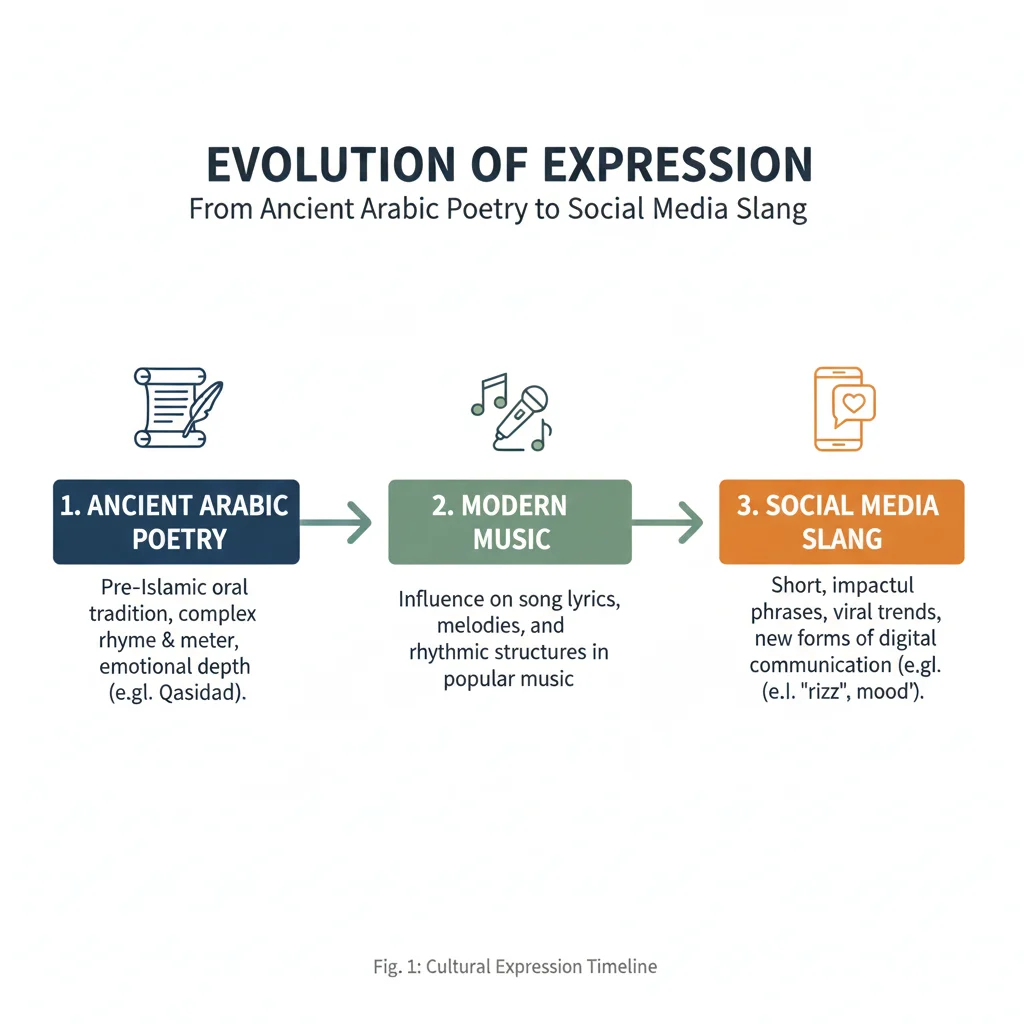
The term habibti comes from the Arabic root ḥ-b-b (حبّ), meaning love. It has been used for centuries in Arabic-speaking cultures as a warm expression of care, affection, or friendship.
Historically, Arabic poets and songwriters used words like habibi and habibti in love poems and romantic songs — symbols of beauty, devotion, and tenderness. 🎶
In recent years, habibti has gained popularity worldwide through music, movies, and social media, where non-Arab speakers also use it playfully or lovingly in messages.
🌍 Habibti Meaning in Different Contexts
💌 In Daily Conversation
Used among family, friends, and loved ones to show affection.
“Thank you for helping me, habibti!” 💕
(Tone: Warm and sincere)
📱 On Social Media or Texting
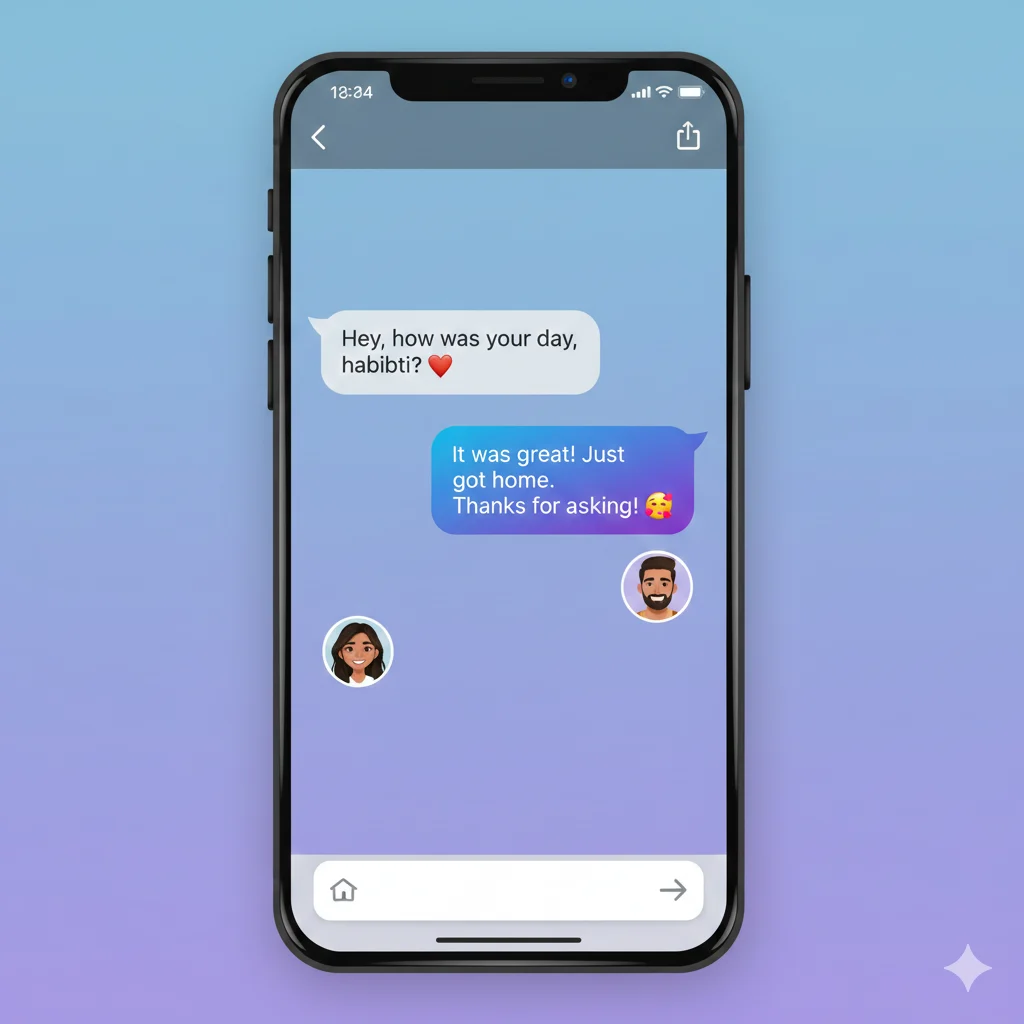
People often use habibti in comments, captions, or DMs to sound sweet or caring.
“You look stunning, habibti 😍”
(Tone: Compliment, friendly or romantic)
💼 In Professional or Formal Contexts
Not recommended — habibti is too personal and informal for business communication.
Instead, use respectful greetings like madam or Ms.
| Platform/Context | Use of ‘Habibti’ | Tone |
| Texting/Chat | Affectionate nickname | Friendly/Romantic |
| Instagram/TikTok | Compliment or caption | Warm/Cute |
| Workplace | Not appropriate | Too personal |
💬 Examples of ‘Habibti’ in Conversations
Example 1 (Romantic):
Ali: Goodnight, habibti. Dream of me! 💫
Sara: Sweet dreams, habibi!
Example 2 (Friendly):
Nadia: You’re the best, habibti! Thanks for always helping me. 💖
Example 3 (Family):
Mother: Come eat dinner, habibti! 🍲
💞 Similar or Related Terms
Here are some related Arabic endearments that complement habibti:
| Term | Meaning | Used For |
| Habibi (حبيبي) | My love / My darling | Male |
| Ya Amar (يا قمر) | My moon / Beautiful one | Either gender |
| Rohi (روحي) | My soul | Romantic or family |
| Hayati (حياتي) | My life | Romantic, close relationships |
| Azeezti (عزيزتي) | My dear | Female (slightly formal) |
All these words carry love and tenderness but vary in tone and intimacy. 💗
🧭 How to Use ‘Habibti’ Correctly
✅ Do’s:
- Use it with women or girls you’re close to.
- Say it affectionately — it shows warmth and love.
- Great for family, friends, or romantic partners.
❌ Don’ts:
- Don’t use it for strangers or in professional settings.
- Avoid saying it without cultural understanding, as tone matters.
Examples:
✅ “I missed you, habibti!”
❌ “Dear client, thank you for your message, habibti.” (Too informal)
⚠️ Common Mistakes or Misinterpretations
- Confusing “habibti” with “habibi.”
→ Habibti = feminine (for women), Habibi = masculine (for men). - Assuming it’s only romantic.
→ It’s also used platonically — mothers, sisters, and friends often say it. - Using it casually in business.
→ It may sound overly intimate or unprofessional. - Mispronunciation.
→ Correct pronunciation: ha-beeb-tee (حَبيبْتي).
❓ FAQ Section
1. What does ‘habibti’ mean in English?
“Habibti” means my love, my darling, or my dear — used affectionately for a woman or girl.
2. Is ‘habibti’ romantic?
It can be romantic, but it’s also commonly used among friends and family. The meaning depends on tone and relationship.
3. What’s the difference between ‘habibi’ and ‘habibti’?
Habibi is masculine (“my love” for a man), while habibti is feminine (“my love” for a woman).
4. How do you reply to ‘habibti’?
You can reply with habibi (if you’re male) or habibti (if you’re female). Example:
“Good morning, habibti!”
“Morning, habibi! ❤️”
5. Is ‘habibti’ Arabic or Islamic?
It’s an Arabic cultural term, not religious. People of all backgrounds in Arabic-speaking regions use it.
6. Can non-Arabs use ‘habibti’?
Yes — if used respectfully and with understanding. Many non-Arabs use it affectionately in friendships or relationships.
💖 Conclusion
To sum it up, “habibti” means “my love” or “my darling” in Arabic, used to express affection toward women. Rooted in the Arabic word for love, it’s a timeless expression of warmth — whether spoken by mothers, friends, or romantic partners.
So next time someone calls you habibti, know they mean it with love. 💞
Now that you understand the habibti meaning, keep exploring more beautiful global terms of endearment that connect hearts across cultures. 🌍💗

Jon McGregor is a language and word-meaning expert at Meanovia.com. He specializes in explaining complex words, phrases, and modern language trends in a clear, approachable style. His mission is to help readers quickly grasp the true meaning behind every term, making language learning and understanding effortless and engaging.