Ever heard someone call another person a charlatan and wondered what it really means?
It’s one of those words that sound sophisticated yet sharp — often used to expose deceit, especially in professional or intellectual settings.
In this guide, we’ll break down:
The definition of charlatan
Its origin and history
How it’s used in different contexts
Real-life examples and related words
And common misinterpretations
By the end, you’ll know exactly how to recognize and use this term correctly in speech or writing.
📚 What Does Charlatan Mean?
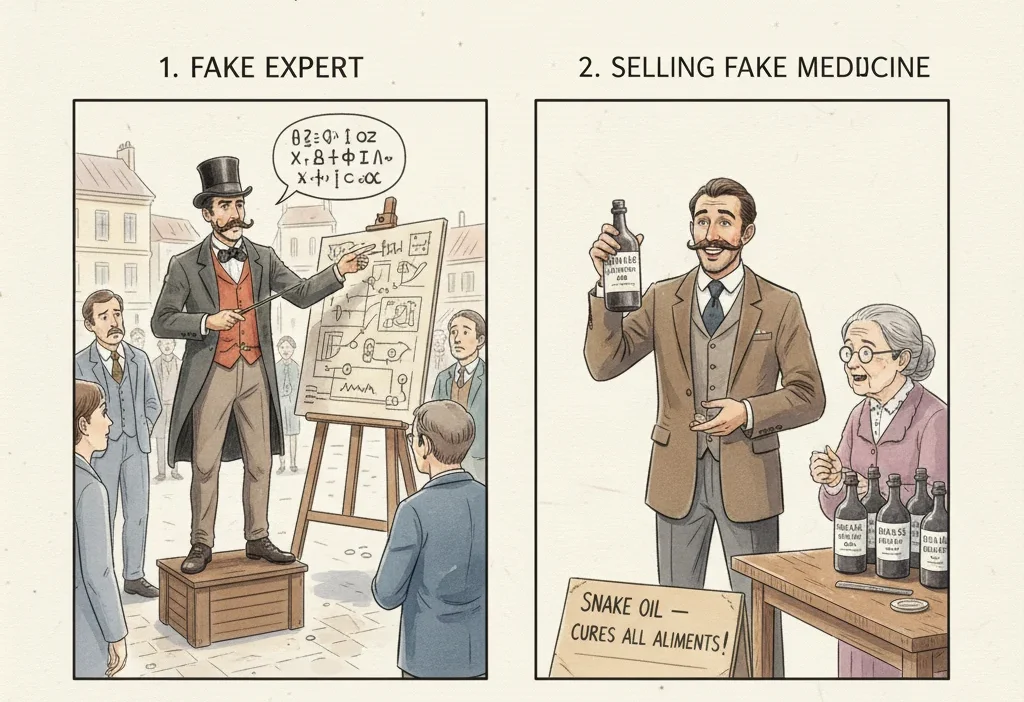
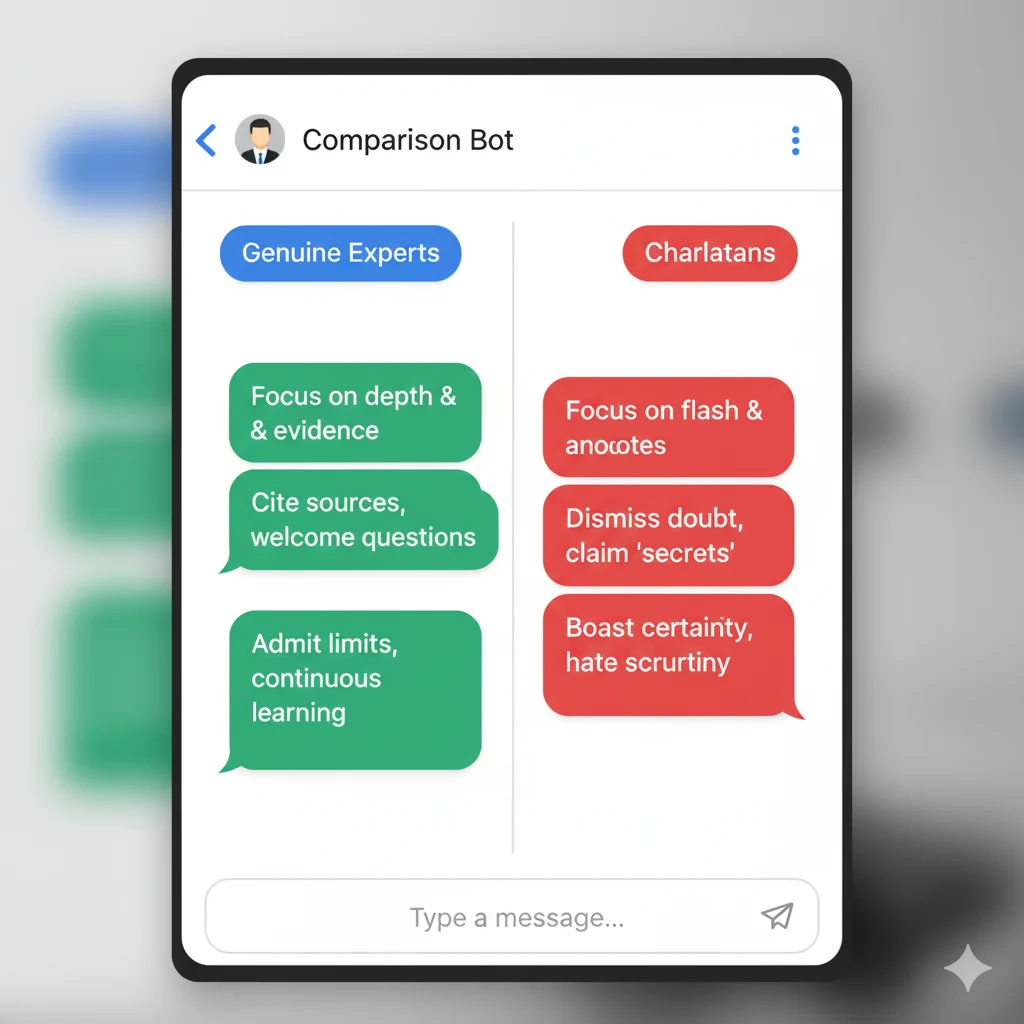
A charlatan is a person who pretends to have knowledge, skill, or qualifications they do not actually possess, often to deceive others.
In simple words:
A charlatan is a fraud, imposter, or fake expert — someone who talks big but lacks real ability or honesty.
It’s a noun used mostly in formal writing, debates, journalism, and literature.
🕰️ Origin and Popularity
The word “charlatan” originates from the Italian word ciarlatano, which itself comes from ciarlare, meaning “to chatter” or “babble.”
Historically, the term referred to street vendors or quack doctors who loudly promoted fake cures and medicines in marketplaces.
Quick Timeline:
- 1500s (Italy): Used for street healers selling false remedies.
- 1600s (France): Adopted as charlatan, meaning a trickster or deceiver.
- 1700s–Present: Common in English to describe anyone faking expertise — from “snake-oil salesmen” to “fake masterminds.”
Today, “charlatan” has gained new life in modern conversations about scam artists, misinformation, and online influencers.
🌍 Charlatan Meaning in Different Contexts
The tone and intent of “charlatan” can vary slightly depending on where it’s used:
🗞️ In Journalism or News
Used to describe fraudulent figures in politics, science, or media.
Example: “The reporter exposed the self-proclaimed health expert as a charlatan with no medical training.”
🎓 In Academia or Education
Refers to someone pretending to be an expert without true understanding or credentials.
Example: “Critics dismissed the author as a charlatan masquerading as a historian.”
💬 In Everyday Speech
Used informally to describe a phony or show-off who exaggerates their abilities.
Example: “That self-help coach is just another online charlatan.”
| Context | Meaning of ‘Charlatan’ | Tone |
| News/Politics | A deceitful public figure | Exposing, critical |
| Academia | A fake expert or pseudo-intellectual | Serious, skeptical |
| Casual Talk | A poser or pretender | Playful to harsh |
🗣️ Examples of Charlatan in Conversations
Example 1:
Person A: Did you see that influencer selling fake diet pills?
Person B: Total charlatan! People still fall for that stuff.
Example 2:
“History is full of charlatans who gained fame through lies and manipulation.”
Example 3 (Formal Writing):
“The scientist warned against charlatans spreading misinformation about climate change.”
Example 4:
“He called himself an expert, but his advice proved he was a charlatan.”
🔍 Similar or Related Terms
Here are a few related words and how they differ from charlatan:
| Term | Meaning | Difference from Charlatan |
| Fraud | Someone who deceives others for personal gain | More general; used in legal and moral contexts |
| Impostor | A person pretending to be someone else | Focuses on identity deception |
| Quack | A fake doctor or healer | Specific to medicine or health fields |
| Phony | Informal term for someone insincere or fake | Less formal, everyday slang |
| Con artist | A trickster who manipulates others | Often tied to financial scams |
✅ How to Use “Charlatan” Correctly
Do’s:
- ✅ Use in formal writing or when exposing deception or false expertise.
- ✅ Use to critically describe someone pretending to be knowledgeable.
- ✅ Use it metaphorically for fakes in any field — from science to social media.
Don’ts:
- ❌ Don’t use casually to insult someone for a simple mistake.
- ❌ Avoid overusing it — “charlatan” carries serious, accusing weight.
- ❌ Don’t confuse it with “clown” or “show-off” — it implies intentional deceit.
⚠️ Common Mistakes or Misinterpretations
- Confusing “charlatan” with “beginner.”
→ A beginner is learning; a charlatan pretends to know. - Thinking it’s slang.
→ It’s not modern slang — it’s a classic, formal English word. - Using it too lightly.
→ The word implies serious dishonesty, not just overconfidence.
❓ FAQ Section
1. What does “charlatan” mean in simple words?
A charlatan is someone who pretends to know something they don’t to fool or impress others.
2. Is “charlatan” a bad word?
Yes, it carries a negative meaning — it accuses someone of being dishonest or deceitful.
3. Can “charlatan” describe influencers or coaches?
Absolutely. Many people use it for fake online experts who sell advice or products without real knowledge.
4. What’s the difference between a “charlatan” and a “fraud”?
A charlatan fakes skill or wisdom; a fraud may fake anything — identity, money, or credentials.
5. Is “charlatan” used in legal language?
Not typically. It’s more of a literary or descriptive term, not a legal one.
6. How do you pronounce “charlatan”?
It’s pronounced /ˈʃɑːr.lə.tən/ — SHAR-luh-tuhn.
🪶 Conclusion
To sum up, a charlatan is a pretender or deceiver — someone who talks the talk but can’t walk the walk.
From ancient marketplaces to modern media, this word still exposes those who fake knowledge or credentials for gain.
Now that you understand the meaning and origin of “charlatan,” you’ll recognize it instantly — whether in politics, social media, or everyday life.
✨ Keep exploring our language guides to uncover the true meanings behind powerful words like this!