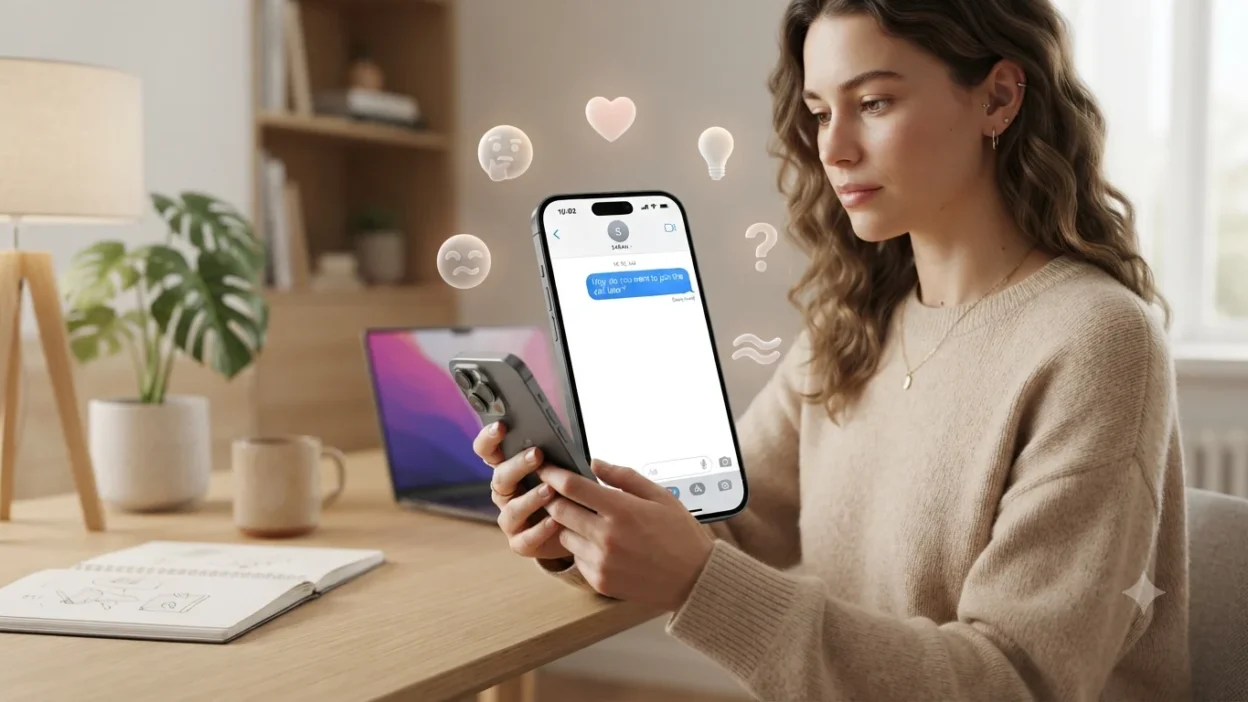
Have you ever received a message with no emoji and wondered whether the person was being serious, distant, upset, professional, or simply choosing their words carefully? You’re not alone. In a digital world filled with emojis, reactions, and visual expressions, sometimes the absence of an emoji can feel just as meaningful as using one.
In short, “no emoji” can represent a neutral tone, seriousness, emotional distance, simplicity, confidence, or a desire to communicate without extra expressions, although its meaning depends on the conversation, relationship, and context.
Whether you’re texting a friend, replying to a crush, sending a work message, or analyzing someone’s online behavior, understanding the meaning behind silence can help you read conversations better. This guide explains the no emoji meaning, why people avoid emojis, texting interpretations, social media behavior, examples, and exactly when using no emoji says more than words.
What do no emoji mean?
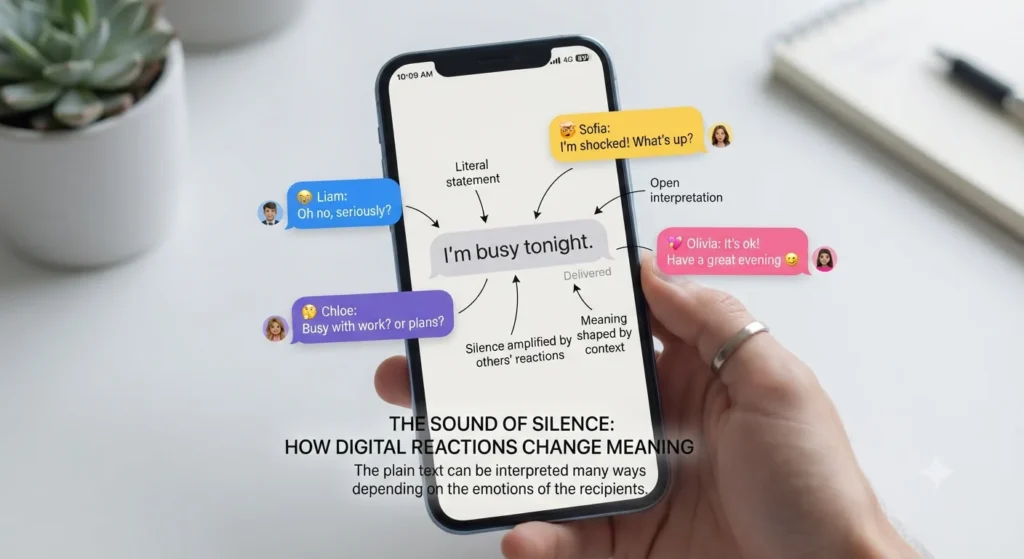
Using no emoji usually means choosing plain text without extra emotional signals. Unlike traditional emoji meanings that add visible feelings, a message without emojis can feel more direct, serious, calm, or mysterious depending on the situation.
A person may avoid emojis because they want to sound professional, keep a conversation simple, or show a specific mood. However, the meaning can change based on the relationship, platform, and message tone.
Here are some common emoji reactions people compare with a no emoji style:
| Emoji | Core meaning | Misread as | Best used when |
|---|---|---|---|
| 😶 | Silence, awkwardness, or having no words | Anger or being upset | When you do not know what to say |
| 🙂 | Polite friendliness or calm emotion | Fake happiness | Casual replies and peaceful conversations |
| ❤️ | Love, care, and emotional warmth | Too intense in some situations | Close relationships and heartfelt messages |
| 😊 | Happiness, kindness, and appreciation | Flirting | Friendly conversations |
| 😂 | Strong laughter and amusement | Not taking something seriously | Funny moments and jokes |
| 😭 | Overwhelming emotion, sadness, or dramatic humor | Only sadness | Emotional reactions and internet humor |
😶 Neutral Face
Meaning: Silence, awkwardness, or not knowing what to say.
Example 1: I have no words 😶
Example 2: That was unexpected 😶
🙂 Slight Smile
Meaning: A calm, polite, or friendly reaction.
Example 1: Thanks for helping me 🙂
Example 2: Hope your day goes well 🙂
❤️ Red Heart
Meaning: Deep affection, care, and emotional connection.
Example 1: I appreciate you ❤️
Example 2: Sending love ❤️
😊 Smiling Face
Meaning: Happiness, kindness, and positive feelings.
Example 1: That made me happy 😊
Example 2: Nice talking with you 😊
😂 Face With Tears of Joy
Meaning: Strong laughter and something extremely funny.
Example 1: This joke is amazing 😂
Example 2: I cannot stop laughing 😂
😭 Loudly Crying Face
Meaning: Strong emotions, sadness, or exaggerated reactions.
Example 1: I am so emotional 😭
Example 2: This scene got me 😭
😅 Smiling With Sweat
Meaning: Relief, nervous laughter, or an awkward situation.
Example 1: I almost forgot 😅
Example 2: That was close 😅
😉 Winking Face
Meaning: Playfulness, teasing, or a hidden joke.
Example 1: You know what I mean 😉
Example 2: Just kidding 😉
😍 Heart Eyes
Meaning: Strong admiration, excitement, or attraction.
Example 1: This looks amazing 😍
Example 2: I love this idea 😍
😢 Crying Face
Meaning: Sadness, sympathy, or emotional feelings.
Example 1: I miss those days 😢
Example 2: That story touched me 😢
How to use no emoji the right way
Using no emoji can completely change how a message feels. A simple sentence without any visual emotion may sound confident, serious, professional, or even distant depending on the situation.
WhatsApp usage
On WhatsApp, people often use no emoji when talking about serious topics, giving quick updates, or keeping conversations simple. In personal chats, removing emojis can sometimes make a message feel more formal or less emotional.
For example:
“Okay, I understand.”
can feel more serious than:
“Okay, I understand 🙂”
The right choice depends on your relationship with the person and the feeling you want to create.
Instagram usage
On Instagram, no emoji is often used for a clean, minimal style. Creators, brands, and users may avoid extra symbols to make captions look modern and focused.
A simple caption without emojis can create a more professional or aesthetic appearance, especially for photography, business posts, or thoughtful content.
TikTok usage
On TikTok, no emoji can sometimes create humor, irony, or a dramatic effect. A plain comment may look funnier because the missing reaction becomes part of the joke.
For example:
“That was interesting”
without an emoji can feel more mysterious than adding a laughing or shocked reaction.
Simple dos and don’ts
Do:
- Use no emoji when you want a clear and direct message.
- Match your texting style with the situation.
- Consider the relationship before removing emotional signals.
Don’t:
- Assume every emoji-free message is negative.
- Use a completely plain style when warmth is important.
- Judge someone’s feelings only by emoji use.
Alarm Emoji: The ⏰ That Warns, Reminds, and Gets Attention
Best no emoji combos — copy & paste
Even when you prefer a no emoji style, people often combine minimal text with a few familiar reactions when they want a balanced tone. These copy paste emojis can help express feelings while keeping messages natural.
Romantic
👉 I’m thinking about you ❤️ — A simple way to show affection.
👉 You mean a lot to me ❤️😊 — A warm message for someone special.
👉 Good to have you in my life 😊❤️ — A caring relationship message.
Cute
👉 That made my day 😊 — A sweet and friendly reaction.
👉 You are too kind 🙂 — A gentle appreciation message.
👉 This is adorable 😍 — A cute response to something you love.
Flirty
👉 You already know 😉 — A playful and teasing reply.
👉 Don’t pretend you don’t know 😉 — A fun conversation starter.
👉 Looking good today 😍 — A light compliment.
Missing someone
👉 Wish you were here 😢 — Shows emotional distance.
👉 I miss those moments 😭 — A dramatic nostalgic reaction.
👉 Thinking about old memories 😢❤️ — A sentimental message.
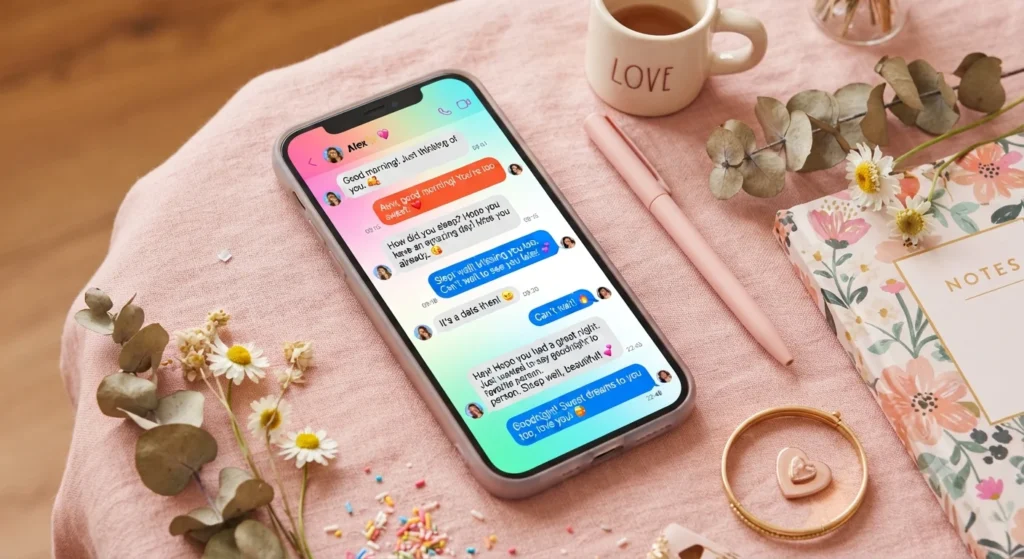
Good night
👉 Sleep well 😊 — A kind bedtime message.
👉 Good night ❤️ — A caring goodbye before sleeping.
👉 Sweet dreams 🙂 — A soft and friendly ending.
Trending no emoji styles in 2026
In 2026, digital conversations continue showing a mix of expressive emojis and intentional simplicity. Many users choose fewer emojis because plain messages can feel cleaner, more mature, or more personal.
The idea behind no emoji communication is not that emojis are disappearing. Instead, people often switch between expressive reactions and minimal texting depending on the mood, platform, and audience.
Here are some emoji styles commonly seen alongside no emoji conversations:
| Emoji | Why trending | Who uses it | Platform |
|---|---|---|---|
| 😶 | Represents silence, awkward moments, and reactions where words are difficult | Casual users and content creators | WhatsApp, TikTok, Instagram |
| 🙂 | Creates a calm and friendly tone in short messages | Everyday communicators | WhatsApp, Instagram |
| 😂 | Remains popular for humorous reactions and internet conversations | Meme communities and casual users | TikTok, Instagram |
| ❤️ | Continues being used for emotional connection and supportive messages | Friends, couples, and communities | WhatsApp, Instagram |
The way people communicate online keeps changing, with users balancing visual expressions and simple text to create messages that feel more personal.
Cloud Emoji: The ☁️ That Holds a World Above the Clouds
FAQ
1. What is the most popular no emoji style?
The most common no emoji style is simply sending plain text without any symbols. Many people use it for serious, clean, or direct communication.
2. What does 😶 mean from a girl or boy?
😶 can mean silence, awkwardness, surprise, or not knowing what to say. The meaning depends on the conversation and relationship.
3. Why do emojis look different on iPhone vs Android?
Emojis can appear different because Apple, Google, and other platforms design their own versions. The meaning stays similar, but the visual style may change.
4. Are no emoji used differently in other countries?
Yes. Communication habits vary around the world. Some cultures use many emojis for warmth, while others prefer simple text-based conversations.
Conclusion
No emoji communication shows that sometimes fewer symbols can create a stronger message.
Whether you choose silence, simple text, or a small reaction, the meaning depends on the situation and connection.
Understanding digital expressions helps conversations feel clearer and more natural.

Nora Ellison is a digital language writer specializing in emoji meanings, internet slang, symbols, and online communication, creating clear, accurate, and reader-friendly content.