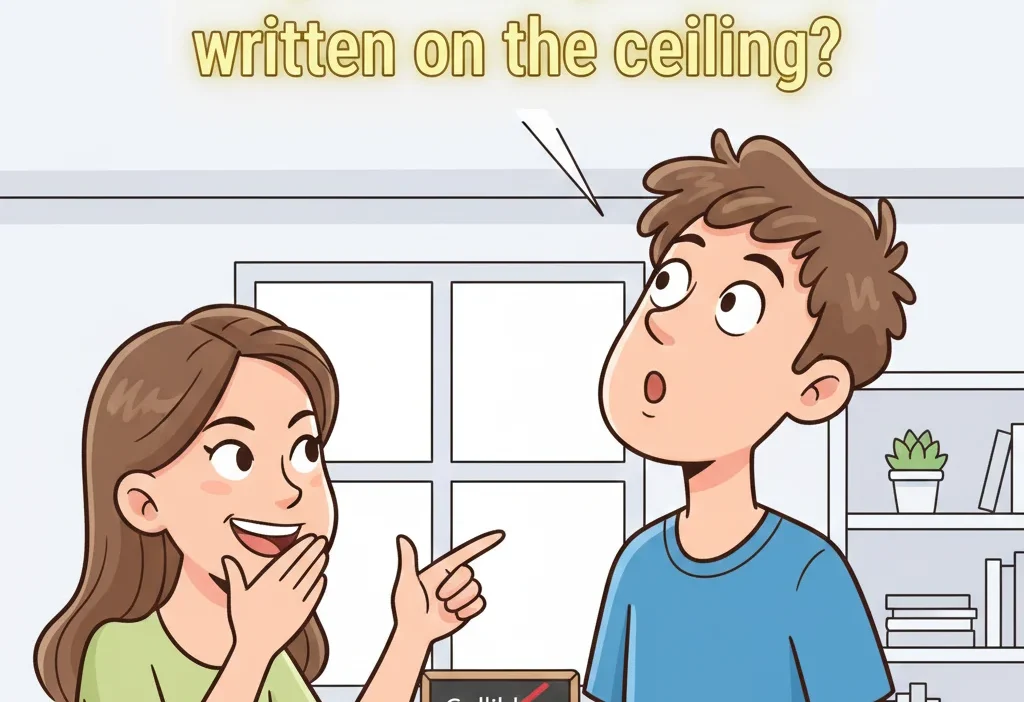
Have you ever been told you’re “so gullible” after believing something that turned out to be a joke? We’ve all been there! The word “gullible” gets thrown around often—especially online, where misinformation and pranks are everywhere.
In this article, we’ll break down everything you need to know about the meaning of “gullible” — including its definition, origin, usage across different contexts, examples, and how to use it correctly.
Here’s what you’ll learn:
- The clear definition of gullible
- Where the word came from
- How it’s used in texting, real life, and social media
- Examples and related terms
- FAQs to help you use it confidently
🧐 What Does “Gullible” Mean?
“Gullible” means someone who is easily tricked, persuaded, or made to believe something false.
It’s an adjective often used to describe a person who trusts others too easily or doesn’t question what they’re told.
Example:
“She believed the fake news article instantly—she’s so gullible!”
Type: Common English adjective
Used in: Everyday conversation, social media, and humor
📜 Origin and Popularity
The word “gullible” dates back to the early 19th century, derived from the verb “gull,” which meant “to deceive or cheat.” The term “gull” itself appeared in English as early as the 1500s, possibly linked to the bird name gull—symbolizing creatures that easily swallow anything.
By the late 1800s, “gullible” became a popular way to describe people who fall for pranks, scams, or tall tales. It’s frequently used in pop culture, online humor, and even psychology discussions about trust and skepticism.
Quick Timeline:
- 1500s: “Gull” (verb) meant “to cheat or trick.”
- 1800s: “Gullible” emerged as an adjective.
- 2000s–Today: Commonly used in memes and online jokes.
💬 Gullible Meaning in Different Contexts
1. In Everyday Conversation
Used to describe someone who easily believes others without much skepticism.
“I told him there was a ghost in the attic, and he believed me—so gullible!”
2. On Social Media (TikTok, Instagram, etc.)
Often used humorously when someone falls for a trend, fake story, or prank.
Comment: “Wait, is this real?”
Reply: “You’re so gullible 😭”
3. In Psychology or Education
Sometimes discussed as a personality trait—relating to trust, suggestibility, or critical thinking.
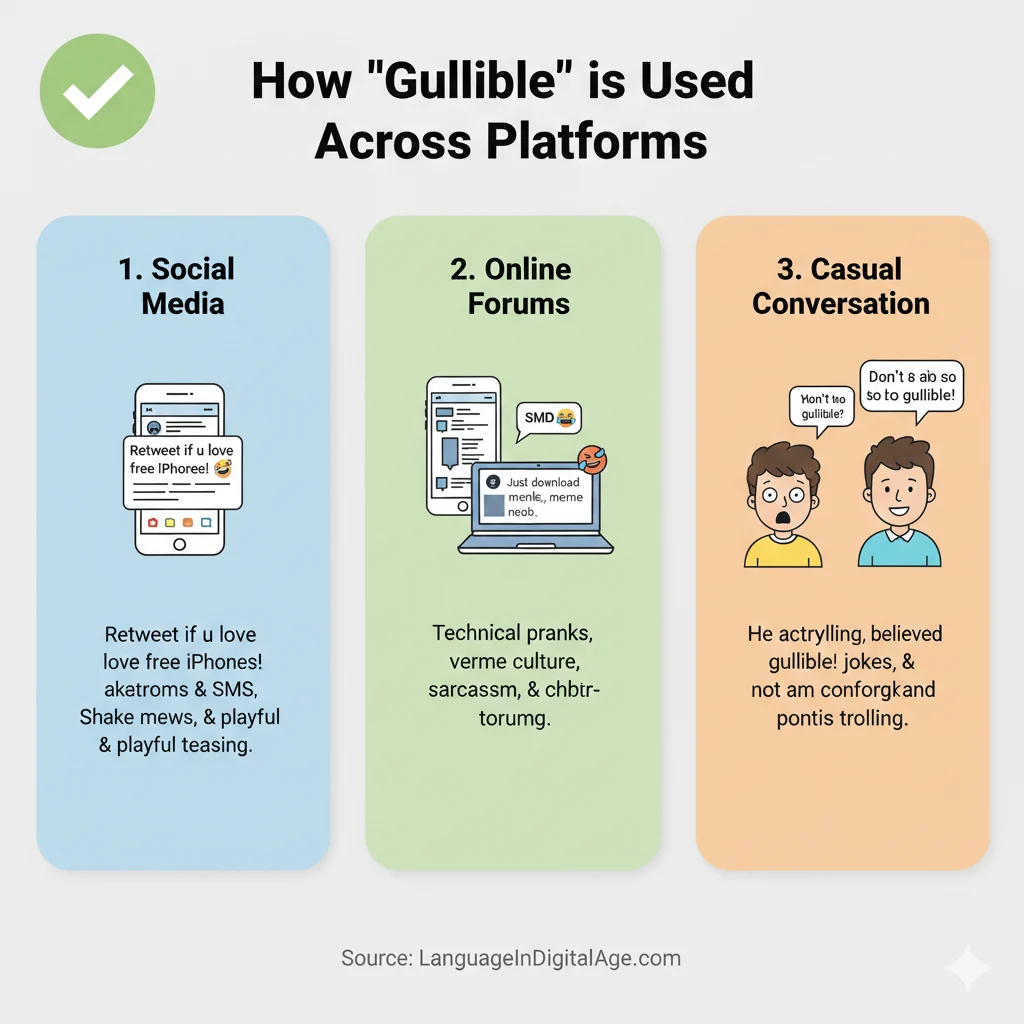
| Platform/Context | Meaning or Tone | Example |
| Texting | Teasing or friendly | “You believed that? 😂 Gullible!” |
| TikTok | Reaction to pranks | “POV: You fell for it again.” |
| Formal Writing | Neutral/Descriptive | “Children can be gullible due to limited experience.” |
💡 Examples of “Gullible” in Conversations
Example 1:
Friend 1: Did you know the word “gullible” isn’t in the dictionary?
Friend 2: Really?
Friend 1: 😂 You’re so gullible!
Example 2:
Coworker: They said we’re getting a 3-day weekend.
Manager: Don’t be gullible—it’s just a rumor.
Example 3 (formal):
“The study found that individuals with high trust levels are more likely to be considered gullible.”
🔄 Similar or Related Terms
| Word | Meaning | Example |
| Naive | Lacking experience or worldly wisdom | “She’s too naive to see he’s lying.” |
| Credulous | Willing to believe anything | “A credulous audience believed every claim.” |
| Trusting | Having faith in others | “He’s a trusting soul, not suspicious at all.” |
| Innocent | Pure or unaware | “She’s innocent—she didn’t know it was a scam.” |
✅ How to Use “Gullible” Correctly
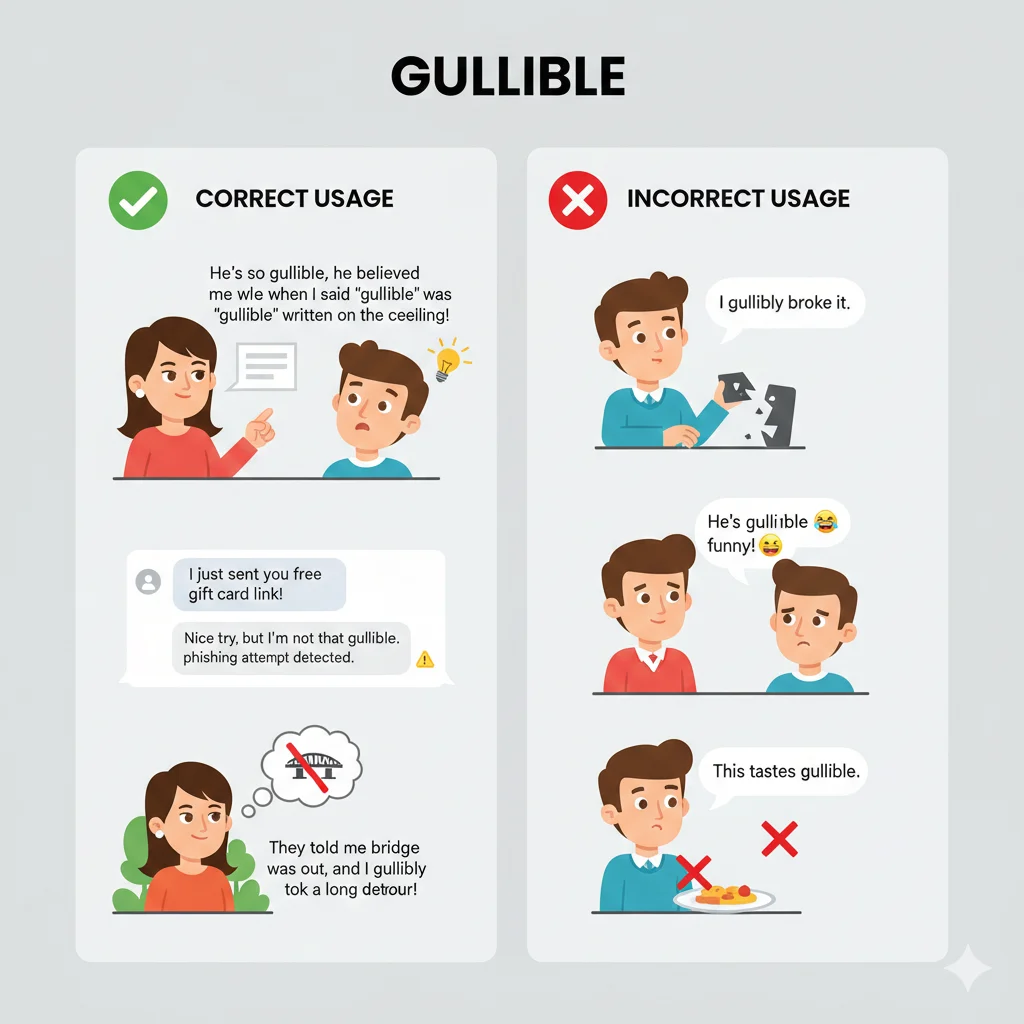
Do’s:
- ✅ Use it to describe someone who easily believes false information.
- ✅ Use it humorously in casual chats or jokes.
- ✅ Use it thoughtfully in writing to describe a personality trait.
Don’ts:
- ❌ Don’t use it to insult someone harshly—it can sound rude.
- ❌ Don’t confuse it with “naive”; “gullible” often implies a lack of skepticism, not innocence.
Example Tip:
✅ “He believed the fake news article—pretty gullible.”
❌ “He’s so stupid for believing that.” (too harsh)
⚠️ Common Mistakes or Misinterpretations
- Confusing “gullible” with “naive”:
- Naive means innocent or inexperienced.
- Gullible means easily fooled, even when you should know better.
- Naive means innocent or inexperienced.
- Thinking it’s slang:
- “Gullible” isn’t slang—it’s a standard English adjective used in both casual and formal speech.
- “Gullible” isn’t slang—it’s a standard English adjective used in both casual and formal speech.
- Overusing it jokingly:
- Calling someone “gullible” too often can come off as mocking.
- Calling someone “gullible” too often can come off as mocking.
❓ FAQ Section
1. What does “gullible” mean in simple terms?
It means a person who easily believes things that aren’t true. A gullible person is quick to trust or fall for tricks and jokes.
2. Is being gullible bad?
Not necessarily. It can mean you’re trusting or kind-hearted—but it also suggests you should be more cautious in believing everything you hear.
3. What’s the difference between gullible and naive?
“Naive” refers to innocence or lack of worldly experience, while “gullible” means being easily deceived or tricked.
4. How can I stop being gullible?
Question information before believing it, verify sources, and don’t assume everyone is truthful—especially online.
5. Where is “gullible” most commonly used?
It’s used in everyday speech, social media comments, and jokes—especially when someone falls for a prank or fake story.
6. Can “gullible” be used in formal writing?
Yes. It’s grammatically correct and often appears in academic or psychological discussions about trust or critical thinking.
🏁 Conclusion
Now you know exactly what “gullible” means, where it came from, and how to use it naturally in conversations or writing. Whether it’s used jokingly among friends or seriously in an article, the term always revolves around one idea—believing things too easily.
So next time someone tries to prank you, pause and double-check before reacting. 😉
Now that you know what “gullible” means, you’ll never be fooled again! Keep exploring our site for more word meanings, slang guides, and fun explanations

Deborah Levy is a word-meaning expert at Meanovia.com. She explains complex terms, phrases, and language trends in a clear, relatable way, helping readers quickly understand the exact meaning behind every word.