

Have you ever come across the word “wrath” in movies, literature, or even religious texts and wondered what it truly means? 😠 It’s one of those powerful words that carries deep emotion and historical weight.
In this article, we’ll break down everything about wrath, including:
✅ Its definition and pronunciation
📜 The origin and evolution of the term
💬 How it’s used in different contexts — from religion to pop culture
💡 Real-life examples and expressions
⚖️ Related words and common misunderstandings
By the end, you’ll fully understand what “wrath” means and how to use it effectively in writing and conversation.
💡 What Does Wrath Mean?
“Wrath” means intense anger, rage, or fury — often linked with punishment or vengeance.
It’s a noun, used in English to describe extreme emotional anger, especially when it leads to action or retribution.
Example:
“The villain faced the wrath of the hero after betraying the kingdom.”
🕰️ Origin and Popularity
The word “wrath” originates from Old English “wrǣththu” and Old High German “wredan”, meaning “to twist or to be angry.”
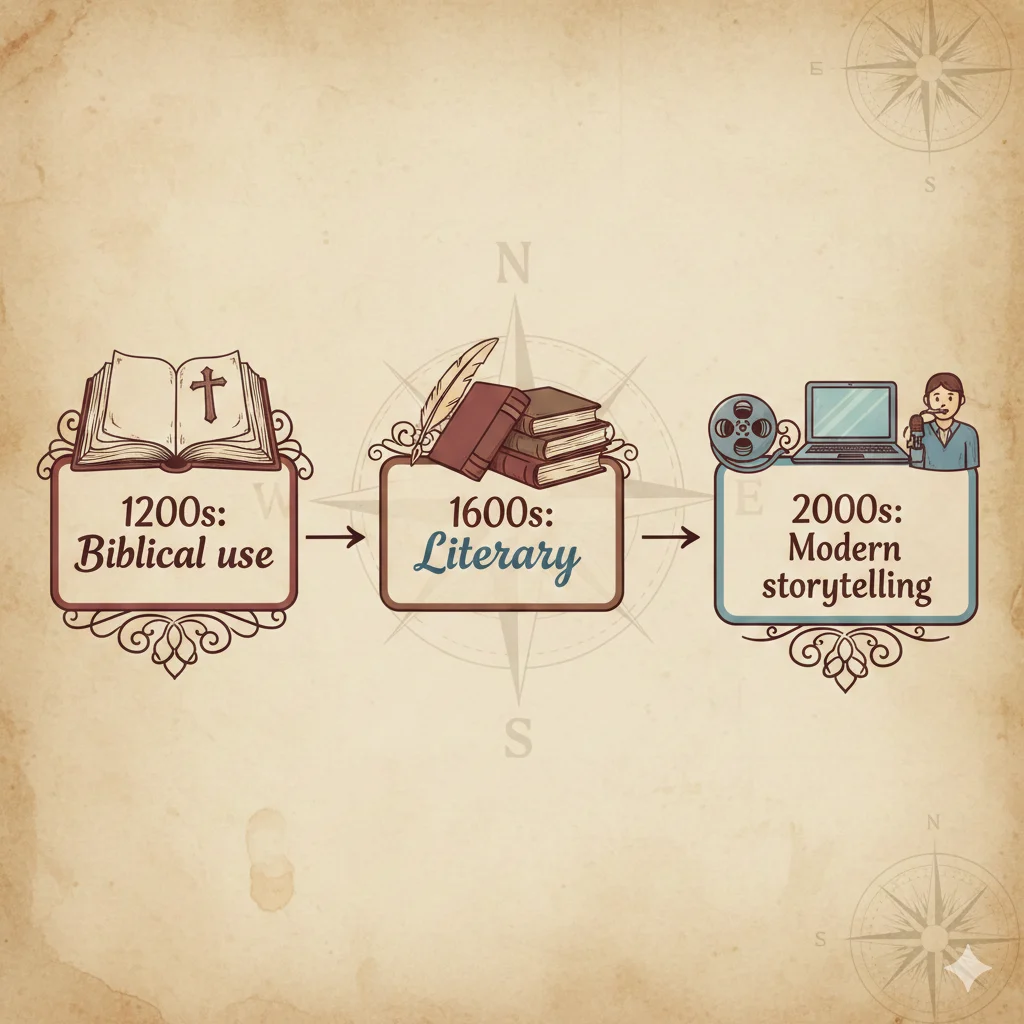
Its usage dates back to the 12th century, commonly found in religious and literary texts, where it often referred to divine anger — such as “the wrath of God.”
Over time, “wrath” became a symbol of righteous fury, appearing in religious scriptures, epic tales, and modern media like films and video games (e.g., “Wrath of the Titans”).
🗣️ Wrath Meaning in Different Contexts
📖 In Literature
In classic literature, wrath symbolizes intense emotional conflict or moral justice.
“The wrath of Achilles” in Greek mythology portrays anger as both powerful and destructive.
🙏 In Religion
In religious contexts, wrath often refers to divine punishment or judgment.
“The wrath of God” represents moral justice against wrongdoing.
🎬 In Modern Pop Culture
Today, wrath is used in movies, games, and fiction to describe vengeance or unstoppable rage.
Titles like “The Wrath of Man” or “Wrath of the Titans” show how the word symbolizes intense retribution.
| Context | Meaning of Wrath | Tone |
| Religion | Divine anger or punishment | Serious, moral |
| Literature | Emotional fury or justice | Dramatic |
| Pop Culture | Revenge or destructive anger | Intense |
💬 Examples of ‘Wrath’ in Sentences
Example 1:
“The king unleashed his wrath on the traitors.”
Example 2:
“She tried to calm his wrath before the argument escalated.”
Example 3 (Formal):
“Environmentalists warn about nature’s wrath if humans continue to harm the planet.”
Example 4 (Religious):
“They feared the wrath of God for their disobedience.”
🔍 Similar or Related Terms
Here are some words closely related to wrath and their differences 👇
| Word | Meaning | Difference from Wrath |
| Anger | A strong feeling of displeasure | Less intense; everyday emotion |
| Rage | Violent, uncontrollable anger | More impulsive than wrath |
| Fury | Wild or fierce anger | Often physical or explosive |
| Vengeance | Desire for revenge | Action resulting from wrath |
| Indignation | Anger at injustice | Moral or ethical anger |
🧠 How to Use ‘Wrath’ Correctly
✅ Do’s:
- Use wrath in formal or dramatic settings.
- Apply it to describe extreme or moral anger, not everyday irritation.
- Great for literary, emotional, or religious contexts.
❌ Don’ts:
- Don’t use wrath in casual chats (“I felt wrath when my coffee spilled” sounds odd).
- Avoid using it interchangeably with anger — wrath is far stronger.
Example:
✅ “He faced the wrath of nature after destroying the forest.”
❌ “She showed wrath when the waiter forgot her order.”
⚠️ Common Mistakes or Misinterpretations
- Confusing “wrath” with “anger.”
→ Wrath is more intense and often implies punishment or revenge. - Using it casually.
→ It’s a formal word — best reserved for writing, speeches, or storytelling. - Misunderstanding its tone.
→ “Wrath” usually carries a negative or fearsome connotation, not a neutral one.
❓ FAQ Section
1. What does ‘wrath’ mean in simple words?
“Wrath” means extreme anger — the kind that can lead to punishment, revenge, or destruction.
2. Is ‘wrath’ positive or negative?
Usually negative, though in religion or literature, it can represent righteous anger or divine justice.
3. Is ‘wrath’ the same as ‘rage’?
Not exactly. Rage is more impulsive and wild, while wrath is deep, powerful, and deliberate.
4. Can I use ‘wrath’ in daily conversation?
You can, but it sounds very formal. It’s more common in stories, speeches, or expressive writing.
5. What’s an example of ‘wrath’?
“The people feared the wrath of the storm that destroyed their homes.”
6. Where is ‘wrath’ most commonly used?
It appears often in religious texts, literature, and movies with themes of anger, revenge, or justice.
🏁 Conclusion
To sum it up, “wrath” means extreme, often righteous anger that can lead to punishment or revenge. Originating from Old English roots, the word has maintained its intense and dramatic tone across centuries.
Whether describing divine fury, a hero’s vengeance, or nature’s power, wrath remains one of the most emotionally charged words in the English language.
Now that you know the full wrath meaning, you can recognize — and use — it with confidence! Keep exploring our site for more fascinating word meanings and origins. ⚡📚🔥