
Ever come across the word “para” in a sentence or text and wondered, “What does that actually mean?” 🤔 You’re not alone — para is one of those versatile words that show up in English, science, and even casual speech, but its meaning changes depending on context.
In this article, we’ll cover:
✅ The definition of para
📜 Its origin and evolution
💬 How it’s used in different contexts (language, science, and slang)
💡 Examples of how to use it naturally
📘 Related terms and FAQs
Let’s break down this interesting term and see why para has so many uses — from Greek roots to modern conversations!
💡 What Does Para Mean?
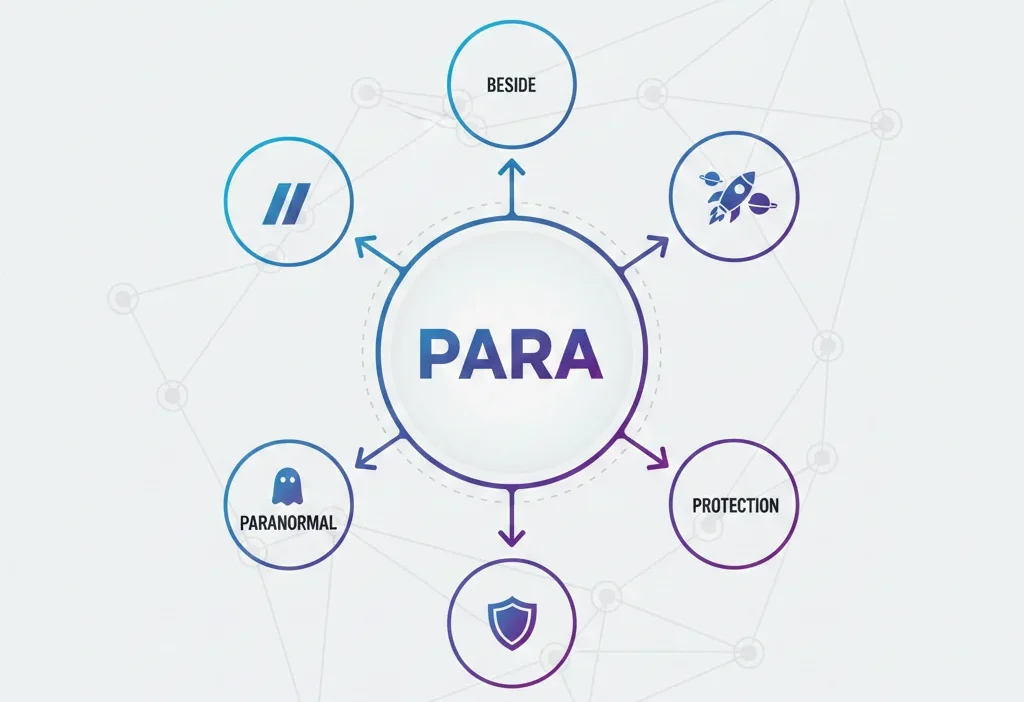
“Para” is a prefix that comes from Greek and means “beside,” “beyond,” or “against.”
It’s not slang — it’s a linguistic root used to form words like parallel, paramedic, and paranormal. Depending on how it’s used, para can mean something alongside, outside, or protective in nature.
Example:
“A paramedic works beside doctors to provide emergency care.”
🕰️ Origin and Popularity
The word “para” comes from the Greek preposition “παρά (para),” which means beside, near, or beyond. It entered English through Latin and French during the Middle Ages and became a common prefix in scientific, medical, and everyday vocabulary.
Timeline of Evolution:
- Ancient Greece: “Para” meant beside or alongside.
- Medieval Latin: Used in forming academic or medical terms.
- Modern English: Found in both scientific words (paranormal, paralegal) and casual slang (like “para” for parachute troopers or “paramilitary”).

🌍 Para Meaning in Different Contexts
Because para is so flexible, its meaning shifts based on where it appears. Let’s explore the most common uses:
🧠 1. In Language and Grammar
- Used as a prefix meaning beside, beyond, or resembling.
Examples:
- Parallel: lying side by side.
- Paranormal: beyond what is considered normal.
- Paralegal: working alongside lawyers.
- Parallel: lying side by side.
🩺 2. In Science and Medicine
- Para- often means beside or related to a specific part.
Examples:
- Parathyroid: glands beside the thyroid.
- Paraplegia: paralysis affecting parts beside each other (both legs).
- Parathyroid: glands beside the thyroid.
🪖 3. In Military and Slang
- “Para” is short for paratrooper — soldiers trained to jump from aircraft.
Example:
“The paras were deployed for the rescue mission.”
💬 4. In Spanish (Bonus Context)
- In Spanish, “para” means “for” or “in order to.”
Example:
“Esto es para ti.” → “This is for you.”
| Context | Meaning of ‘Para’ | Example |
| Grammar | Beside or beyond | Paranormal, Parallel |
| Medical | Related to or beside | Paramedic, Parathyroid |
| Military | Short for paratrooper | “The paras arrived.” |
| Spanish | For / in order to | “Para ti” (For you) |
💬 Examples of ‘Para’ in Conversations
Example 1 (Academic):
Student: What does paranormal mean?
Teacher: It refers to things beyond normal scientific explanation — like ghosts or psychic powers. 👻
Example 2 (Medical):
“The paramedic arrived before the ambulance and started CPR.”
Example 3 (Military):
Soldier 1: The paras are already airborne.
Soldier 2: Copy that — get ready for landing! 🪂
Example 4 (Spanish Context):
“Este regalo es para ti.” (This gift is for you.) 🎁
🔗 Similar or Related Terms
Here are some words built from the same root — perfect for expanding your vocabulary:
| Word | Meaning | Usage Example |
| Parallel | Beside each other | “The roads run parallel.” |
| Paranormal | Beyond normal experience | “He’s obsessed with paranormal activity.” |
| Paraphrase | Express beside/or differently | “Let me paraphrase that for clarity.” |
| Paramedic | Medical worker assisting doctors | “The paramedic stabilized the patient.” |
| Paralegal | Works alongside lawyers | “The paralegal prepared the documents.” |
🧠 How to Use ‘Para’ Correctly
✅ Do’s:
- Use para- as a prefix to describe something beside or beyond a standard.
- Use it when referring to assisting professions (paramedic, paralegal).
- Recognize that it adds extension or relation to the root word.
❌ Don’ts:
- Don’t confuse para (prefix) with para (Spanish word).
- Avoid using it alone in English — it’s not a standalone word unless referring to paratroopers.
Example:
✅ “Paramilitary forces operate alongside the army.”
❌ “He is very para.” (Incorrect — needs a root word.)
⚠️ Common Mistakes or Misinterpretations
- Mistake 1: Thinking “para” means only “for.”
→ That’s true in Spanish, but not in English prefixes. - Mistake 2: Using it as an independent English word.
→ Para- works only as a prefix (e.g., parachute, paramedic). - Mistake 3: Confusing “para” with “peri.”
→ Peri- means “around,” while para- means “beside or beyond.”
❓ FAQ Section
1. What does “para” mean in English?
“Para” means beside, beyond, or alongside. It’s a prefix used to form words like parallel, paramedic, and paranormal.
2. Is “para” a slang word?
No. Para is not slang — it’s a formal linguistic prefix used in English, science, and medicine.
3. What’s the difference between “para” and “peri”?
Para means beside or beyond, while peri means around or surrounding. Example: Parathyroid (beside the thyroid) vs. Pericardium (around the heart).
4. What does “para” mean in Spanish?
In Spanish, “para” means for or in order to. Example: “Trabajo para vivir” → “I work to live.”
5. Can “para” be used on its own in English?
Only in military slang, referring to paratroopers (e.g., “the paras”). Otherwise, it functions as a prefix.
6. What are common words starting with “para”?
Parachute, Parallel, Paralegal, Paramedic, Paranormal, Paraphrase.
🏁 Conclusion
To sum it up, “para” means beside, beyond, or alongside, and comes from ancient Greek. It’s a versatile prefix used in English, science, medicine, and even Spanish.
Whether you see it in words like paramedic or paranormal, the prefix adds the sense of connection or extension. In casual terms, it can even refer to paratroopers.
Now that you know the para meaning, you can recognize its role in hundreds of English words — and use it confidently in writing or conversation!

Jon McGregor is a language and word-meaning expert at Meanovia.com. He specializes in explaining complex words, phrases, and modern language trends in a clear, approachable style. His mission is to help readers quickly grasp the true meaning behind every term, making language learning and understanding effortless and engaging.