
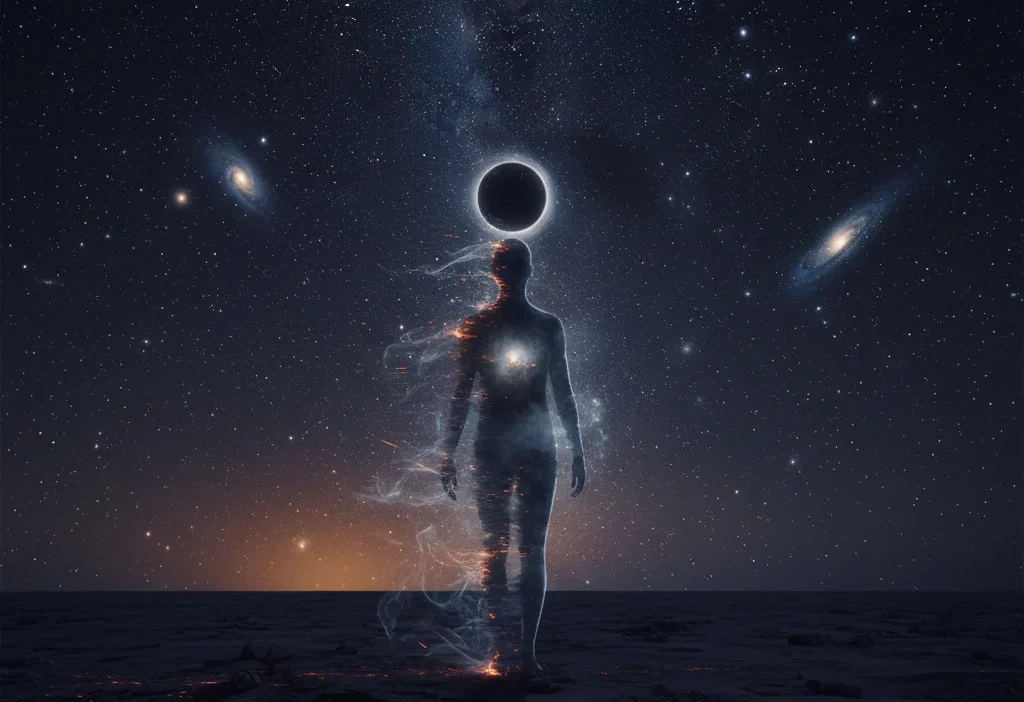
Have you ever heard someone say, “He vanished into oblivion” and wondered what that really means? 🤔 The word oblivion is often used in movies, books, and everyday conversations — but its meaning goes far beyond “disappearing.”
In this guide, we’ll explore everything you need to know about oblivion meaning, including:
✅ Its definition and core sense
📜 The origin and evolution of the word
💬 Different contexts — from literature to modern talk
📚 Examples in real life
🔍 Similar words, FAQs, and how to use it correctly
By the end, you’ll understand why “oblivion” can mean both peaceful forgetfulness and total disappearance.
💡 What Does Oblivion Mean?
“Oblivion” means the state of being forgotten, unknown, or completely unaware of what is happening.
It’s a noun, and depending on the context, it can describe forgetfulness, unconsciousness, or complete disappearance from memory or existence.
Example:
“After the scandal, the actor faded into oblivion.”
🕰️ Origin and Popularity
The word oblivion comes from the Latin word “oblivio”, meaning “forgetfulness” or “to forget.” It entered the English language in the 14th century, originally referring to the act of forgetting.
Over centuries, it grew in use through literature, religion, and philosophy, often symbolizing death, anonymity, or eternal sleep.
By the 20th century, it became a powerful poetic word — frequently appearing in novels, films, and even video games like The Elder Scrolls IV: Oblivion.

🗣️ Oblivion Meaning in Different Contexts
🧠 In Everyday Language
When used casually, oblivion refers to being forgotten or unnoticed.
“Many early internet trends have slipped into oblivion.”
📚 In Literature and Philosophy
Writers use oblivion to describe nothingness, eternal rest, or mental escape.
“She longed for the sweet oblivion of sleep.”
🕹️ In Pop Culture / Gaming
In pop culture, oblivion often represents a dark void, destruction, or loss of existence, as seen in movies and fantasy games.
“The hero risked falling into oblivion to save the world.”
| Context | Meaning of ‘Oblivion’ | Tone |
| Everyday Use | Being forgotten or ignored | Neutral |
| Literature / Poetry | Sleep, death, or nothingness | Poetic |
| Pop Culture | Destruction or void | Dramatic |
💬 Examples of ‘Oblivion’ in Conversations
Example 1:
Friend 1: Remember that singer from the early 2000s?
Friend 2: Oh yeah, she disappeared into oblivion! 😅
Example 2:
Writer: The city was silent — swallowed by oblivion.
Example 3 (Formal):
“The company’s failure pushed it into financial oblivion.”
Example 4:
Student: After pulling an all-nighter, I fell into oblivion on my bed. 💤
🔍 Similar or Related Terms
| Word | Meaning | How It Differs from ‘Oblivion’ |
| Forgetfulness | Failure to remember | Simpler, everyday term |
| Annihilation | Total destruction | Focuses on physical end, not memory |
| Extinction | Complete disappearance | Often used for species or groups |
| Neglect | Lack of attention or care | Not total disappearance |
| Void | Empty space or nothingness | More abstract or scientific |
💪 Defiance Meaning: Definition, Origin, and How to Use It Correctly
🧠 How to Use ‘Oblivion’ Correctly
✅ Do’s:
- Use oblivion when describing forgetting, fading, or vanishing.
- Apply it poetically when referring to silence, death, or nothingness.
- Perfect for creative writing, storytelling, or deep emotional expression.
❌ Don’ts:
- Don’t use it to describe physical absence only — oblivion is about memory or awareness, not just location.
- Avoid overusing it casually; it carries a heavy, reflective tone.
Example:
✅ “Old traditions risk falling into oblivion.”
❌ “My phone is in oblivion.” (Incorrect — use lost instead.)
⚠️ Common Mistakes or Misinterpretations
- Mistake 1: Thinking oblivion means obvious — they’re unrelated!
- Mistake 2: Using it for short-term forgetting (like forgetting keys). It implies complete, lasting forgetfulness.
- Mistake 3: Using it lightly. Oblivion often carries a serious, emotional, or poetic tone.
❓ FAQ Section
1. What does ‘oblivion’ mean in simple terms?
It means being forgotten or completely unaware, often used to describe disappearance from memory or existence.
2. Is ‘oblivion’ a negative word?
Usually, yes. It can suggest loss, emptiness, or being erased from attention — but in poetry, it can also mean peaceful nothingness.
3. Is ‘oblivion’ slang or a formal word?
It’s a formal word, often found in literature, speeches, and deep reflections rather than casual slang.
4. What’s the difference between ‘oblivion’ and ‘forgetfulness’?
Forgetfulness is temporary, while oblivion means being completely forgotten or erased from existence or memory.
5. How is ‘oblivion’ used in pop culture?
In games or movies, it often symbolizes a dark void, death, or total destruction — as in “The planet drifted into oblivion.”
6. When should you not use ‘oblivion’?
Avoid it in lighthearted contexts or jokes — it’s best for serious or poetic expression.
🏁 Conclusion
In short, “oblivion” means the state of being forgotten, lost, or completely unaware. Rooted in Latin origins, it evolved into a word rich with emotion and symbolism.
Whether used in poetry, storytelling, or daily speech, oblivion captures the powerful idea of disappearing from memory or existence.
Now that you know the full oblivion meaning, you’ll recognize its depth wherever you see it — from classic literature to modern games. 🌌✨

Patrick Gale is a word-meaning expert at Meanovia.com. He explains complex terms, definitions, and language trends with clarity and precision. His goal is to help readers understand the exact meaning behind every word they search.