

Ever heard the word “krill” and wondered what it really means? You’ve probably seen it in nature documentaries, nutrition blogs, or even supplement labels — but few know how important this tiny creature actually is.
In this guide, we’ll explain:
The definition of krill
Its origin and biological background
Different meanings in science, everyday language, and pop culture
Examples and uses in sentences
FAQs and related terms to boost your understanding
🐠 What Does Krill Mean?
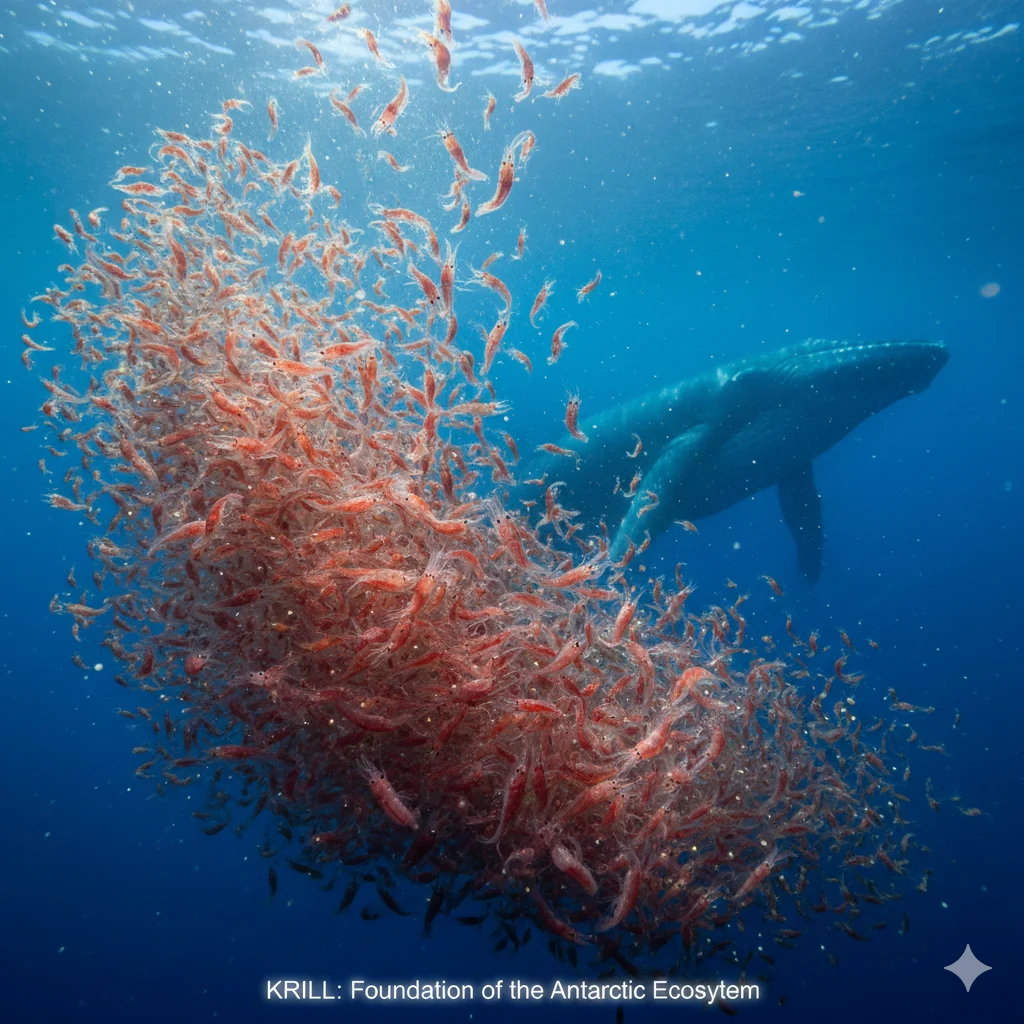
Krill refers to small, shrimp-like marine crustaceans that live in the world’s oceans. They are a primary food source for whales, seals, penguins, and many fish species.
The word “krill” is not slang or an acronym — it’s a scientific and ecological term widely used in marine biology and environmental discussions.
🌊 Origin and Popularity
The term “krill” comes from the Norwegian word krill, which means “small fry of fish” or “tiny creatures.” It was first used in English in the early 19th century by sailors and scientists studying ocean life.
Over time, the word became popular in:
- Scientific communities (marine ecology, biology)
- Public media (like BBC Earth or National Geographic)
- Health and nutrition circles (through krill oil supplements)
🕰️ Timeline Snapshot:
- 1800s: Term “krill” first recorded in English from Norwegian usage.
- 1900s: Gained recognition as a vital species in the Antarctic ecosystem.
- 2000s–Present: Popularized through environmental documentaries and health products (e.g., krill oil).
🌍 Krill Meaning in Different Contexts
Krill has slightly different meanings depending on the context — from biology to nutrition and even pop culture.
🧬 In Marine Biology
Krill are small crustaceans belonging to the order Euphausiacea. They form massive swarms and play a crucial role in the oceanic food chain by feeding on phytoplankton.
Example: “Blue whales can eat up to 4 tons of krill a day.”
💊 In Health and Nutrition
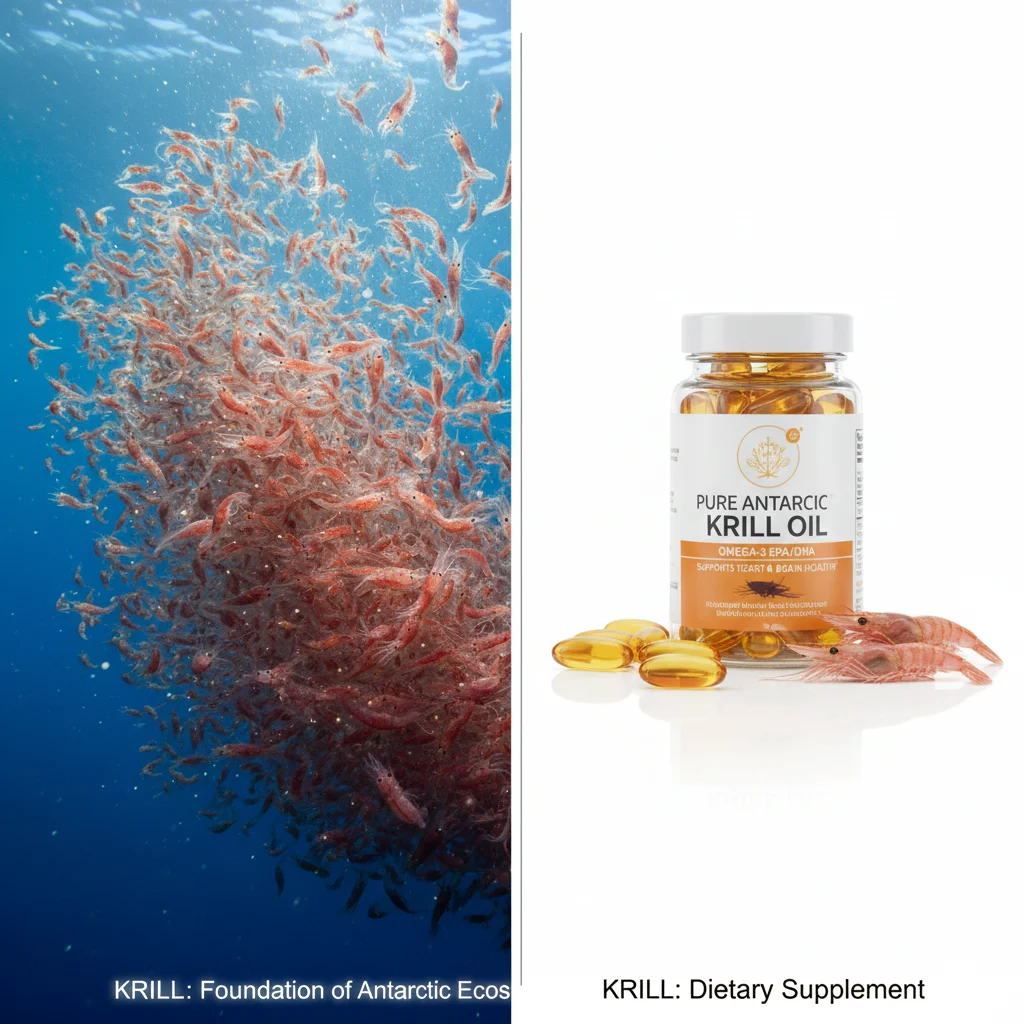
Refers to krill oil, extracted from Antarctic krill and known for its omega-3 fatty acids (EPA and DHA). It’s used as a dietary supplement to support heart, brain, and joint health.
Example: “Krill oil is often taken as an alternative to fish oil.”
🎬 In Pop Culture or Media
Sometimes used metaphorically to represent something small but powerful or essential in a bigger system.
Example: “Like krill in the ocean, every small effort counts in making a global impact.”
| Context | Meaning of Krill | Common Usage |
| Biology | Tiny shrimp-like crustaceans | Marine research, ecology |
| Nutrition | Source of omega-3 oil | Health supplements |
| Pop Culture | Symbol of small significance or teamwork | Metaphors, quotes |
💬 Examples of Krill in Sentences
Here are some natural examples showing how “krill” is used:
Example 1 (Scientific):
“Antarctic krill form the foundation of the Southern Ocean’s food web.”
Example 2 (Health/Nutrition):
“Many people prefer krill oil to fish oil because it’s easier to digest.”
Example 3 (Metaphorical):
“In this massive organization, I sometimes feel like krill in the ocean.”
Example 4 (Educational):
Teacher: “Who knows what whales eat?”
Student: “Krill!”
🔗 Similar or Related Terms
Here are a few related terms often used alongside “krill” in biology and nutrition:
| Term | Meaning |
| Plankton | Microscopic organisms floating in the ocean; krill feed on them. |
| Zooplankton | Animal-like plankton, including krill. |
| Fish Oil | Oil from fish tissues, similar to krill oil in omega-3 content. |
| Phytoplankton | Plant-like microorganisms that krill consume. |
| Euphausiacea | The scientific order to which krill belong. |
✅ How to Use “Krill” Correctly
Do’s:
- ✅ Use “krill” when referring to small ocean crustaceans or marine food sources.
- ✅ Use “krill oil” in health or nutrition contexts.
- ✅ Mention it when discussing ecosystems or omega-3 supplements.
Don’ts:
- ❌ Don’t use “krill” as slang — it’s a scientific term.
- ❌ Avoid pluralizing as “krills” (the word “krill” is both singular and plural).
- ❌ Don’t confuse krill with plankton — krill are animals, not microscopic plants.
⚠️ Common Mistakes or Misinterpretations
- Mistake: Thinking krill are fish.
→ Truth: Krill are crustaceans, like shrimp or crabs. - Mistake: Saying “krills.”
→ Truth: The correct plural form is still krill, not krills. - Mistake: Assuming krill only live in Antarctica.
→ Truth: They exist in all major oceans, though Antarctic krill are most abundant.
❓ FAQ Section
1. What does “krill” mean in simple terms?
Krill are tiny shrimp-like creatures that live in oceans and serve as food for whales, seals, and fish.
2. Is krill a fish or crustacean?
Krill are crustaceans, not fish — they’re related to shrimp and crabs.
3. What is krill oil used for?
Krill oil is a nutritional supplement rich in omega-3 fatty acids, known to support heart, brain, and joint health.
4. Where are krill found?
Krill are found in oceans worldwide, especially in cold waters like the Antarctic.
5. What animals eat krill?
Whales, penguins, seals, squid, and many types of fish depend on krill as a primary food source.
6. Why are krill important to the environment?
They’re crucial to the marine food chain, converting microscopic plankton into energy for larger animals.
🌊 Conclusion
In summary, krill are small but mighty ocean creatures that play a vital role in Earth’s ecosystems. Beyond their ecological value, they’ve also found significance in nutrition and health through krill oil supplements.
So next time you hear the word krill, remember — these tiny crustaceans keep the ocean’s life cycle thriving and even support human health.
🌎 Now that you know the meaning of krill, you’ll never overlook how essential they are to life on our planet. Keep exploring our site for more scientific terms and nature meanings explained simply

Deborah Levy is a word-meaning expert at Meanovia.com. She explains complex terms, phrases, and language trends in a clear, relatable way, helping readers quickly understand the exact meaning behind every word.