

You may hear the word emasculate in news, books, or serious talks. But what does it mean?
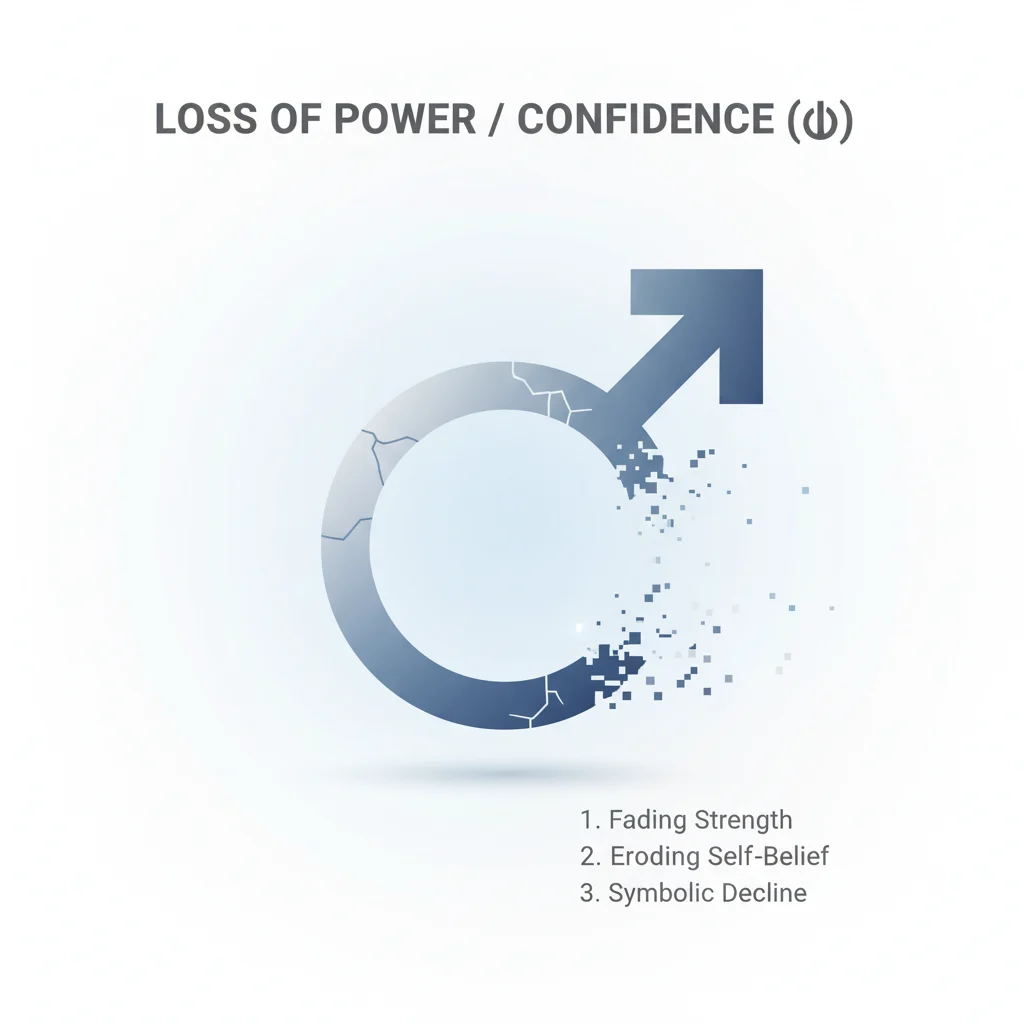
Quick answer: Emasculate means to make a man feel less strong, less confident, or less manly.
From helping students learn new English words, I often see people get confused because the word sounds very strong. It does not always mean physical harm. Most of the time, it is used in a social or emotional way, like when someone’s power or confidence is taken away.
The word is formal and usually has a negative meaning. People search for “emasculate meaning” when they see it in news, movies, or books and want to understand how it is used.
⚙️ What Does “Emasculate” Mean?
Emasculate means to deprive a man of his male role, confidence, or strength — emotionally, socially, or physically.
It can refer to both literal (biological) and figurative meanings.
In modern English, it’s most often used in a figurative, emotional, or social sense.
Type: Verb
Usage: Common in conversations, media, and relationship discussions

📜 Origin and Popularity
The word “emasculate” comes from the Latin term “emasculatus”, which is derived from “e-” (out of) and “masculus” (male or manly).
Historically, it appeared in English in the 1600s, initially used in a literal sense — meaning “to castrate” or “to deprive of manhood.”
Over time, especially by the 19th century, the term evolved into its modern, metaphorical use — describing someone’s confidence or masculinity being undermined.
🔹 Timeline Snapshot
- 1600s: Used literally (castration)
- 1800s: Figurative meaning gained traction
- 2000s: Became part of gender and relationship discussions
- 2020s: Common in social media debates on gender roles
Today, the term is widely used in psychology, relationships, pop culture, and gender discourse.
🌐 Emasculate Meaning in Different Contexts
🗨️ In Texting or Casual Talk
When someone says, “That comment emasculated him,” they mean it made him feel weak or less manly.
It’s often used in emotional or social situations — not literally.
Example: “She emasculated him in front of everyone by making fun of his job.”
🎥 In Pop Culture and Media
In movies or social media discussions, “emasculate” is often linked to gender identity and societal expectations.
Example: “Some men feel emasculated when their partners earn more than them — but it’s really about outdated gender roles.”
💼 In Professional or Business Settings
Though less common, it may appear metaphorically:
“The new manager’s strict control emasculated the team’s creativity.”
This indicates suppression of confidence or power, not masculinity directly.
⚖️ Literal Meaning (Historical Context)
Originally, to emasculate meant “to remove male reproductive organs.”
This meaning is rare today but still appears in medical or historical discussions.
| Context | Meaning | Example |
|---|---|---|
| Texting | To weaken confidence | “She emasculated him publicly.” |
| Media | Challenge to masculinity | “The show portrays emasculated men humorously.” |
| Workplace | Loss of authority or control | “Micromanagement can emasculate a leader.” |
| Literal | Castration (biological) | “Ancient punishments included emasculation.” |
💬 Examples of “Emasculate” in Conversations
Here are some realistic examples to help you understand how “emasculate” is used in sentences:
Example 1 (Casual Talk):
Friend 1: Why is Tom so quiet?
Friend 2: I think he felt emasculated when everyone laughed at his mistake.
Example 2 (Relationship Context):
“He said her constant criticism emasculated him.”
Example 3 (Pop Culture Discussion):
“That comedy sketch was funny, but some viewers thought it emasculated men.”
Example 4 (Workplace Setting):
“Publicly correcting an employee can sometimes emasculate their confidence.”
Example 5 (Literal Use):
“In ancient times, criminals were emasculated as punishment.”
🔄 Similar or Related Terms
| Term | Meaning | Usage |
|---|---|---|
| Humiliate | To make someone feel ashamed | “He was humiliated in front of everyone.” |
| Belittle | To make someone seem less important | “She belittled his efforts.” |
| Degrade | To lower in dignity or quality | “The comment degraded his confidence.” |
| Disempower | To take away someone’s power or influence | “The law disempowered the workers.” |
| Demoralize | To cause someone to lose confidence or hope | “Constant failure demoralized the team.” |
These words share similar emotional tones but vary in intensity and context.
🧠 How to Use “Emasculate” Correctly
✅ Do’s
- Use it when describing loss of confidence or power.
- Keep it figurative in most conversations.
- Use it in emotional, social, or cultural discussions.
❌ Don’ts
- Avoid using it as an insult.
- Don’t confuse it with simple “embarrassment.”
- Avoid casual overuse — it’s a strong emotional term.
⚠️ Common Mistakes or Misinterpretations
Many people misinterpret “emasculate” as just “embarrass” or “insult.”
However, emasculation specifically involves challenging someone’s masculinity or confidence — not just making them feel bad.
For example:
- ❌ Wrong: “He tripped and was emasculated.”
- ✅ Correct: “His partner’s harsh criticism emasculated him.”
It’s about psychological impact, not physical events.
❓ FAQ Section
1. What does “emasculate” mean in simple terms?
It means to make a man feel less masculine or confident. It can also refer to taking away power or control, especially in emotional or social situations.
2. Is “emasculate” slang or formal?
It’s a formal English verb, not slang. You’ll find it in literature, media, and psychological discussions, but rarely in everyday texting.
3. What’s the difference between “emasculate” and “humiliate”?
Humiliate means to embarrass someone publicly.
Emasculate means to weaken someone’s sense of manliness or authority.
4. How do you use “emasculate” in a sentence?
“Criticizing your partner in public can emasculate them.”
It’s used to describe actions that make someone lose confidence or feel powerless.
5. Where is “emasculate” most used?
It’s often used in relationship discussions, social commentary, and pop culture about gender roles and emotional dynamics.
6. When should you not use “emasculate”?
Avoid using it casually or jokingly — it can sound offensive or insensitive in some contexts, especially about gender or identity.
🏁 Conclusion
The word “emasculate” carries deep emotional and social meaning. Originally referring to physical loss of manhood, it now represents a figurative loss of confidence, control, or masculinity.
It’s often used in modern contexts like relationships, leadership, and culture — making it an important term to understand in today’s conversations.
Now that you know what “emasculate” means, you’ll never be confused again! Keep exploring our site for more word meanings, trending phrases, and linguistic insights. 🌍✍️

Evie Wyld is a word-meaning specialist at Meanovia.com. She simplifies complex words, phrases, and language trends, helping readers quickly grasp the exact meaning behind every term in a clear and approachable way.