Have you ever heard someone say, “That’s egregious!” and wondered what they really meant? 🤔 It sounds fancy, but it’s often used to express strong disapproval. Whether you’ve seen it in news headlines, books, or online discussions, egregious is one of those words that instantly grabs attention — usually for the wrong reasons!
In this guide, we’ll explain:
✅ The definition of egregious
📜 Its origin and historical background
💬 How it’s used in modern contexts
💡 Examples in sentences and conversations
🚫 Common mistakes and related words
By the end, you’ll confidently know when (and when not) to use egregious in your speech or writing.
💬 What Does Egregious Mean?
“Egregious” means extremely bad, shocking, or outstandingly wrong.
It’s an adjective used to emphasize a major mistake, offense, or act of wrongdoing — especially one that stands out because of how serious or obvious it is.
Example:
“The company’s egregious error cost them millions.”
🕰️ Origin and Popularity
The word egregious has an interesting and ironic history. It comes from the Latin word egregius, meaning “remarkably good” or “distinguished.”
In the 1500s, egregious was actually a compliment — it described someone who stood out in a good way. But over time, people began using it sarcastically, turning its meaning upside down. By the 17th century, egregious came to mean “remarkably bad.”
Today, it’s commonly used in news articles, legal discussions, and formal writing to describe serious mistakes or offenses.

🔍 Egregious Meaning in Different Contexts
🧑💬 In Everyday Conversation
Used to describe shocking or terrible behavior.
“It was egregious how he treated his friend after the argument.”
💼 In Business or Law
Refers to serious or unacceptable mistakes or actions.
“The manager’s egregious oversight led to a major compliance issue.”
📰 In Media or Journalism
Often used to criticize glaring errors or unethical acts.
“The journalist called the government’s response an egregious failure.”
| Context | Meaning of ‘Egregious’ | Tone |
| Conversation | Shockingly bad behavior | Negative |
| Business | Serious professional mistake | Critical |
| Media | Major wrongdoing or scandal | Formal, disapproving |
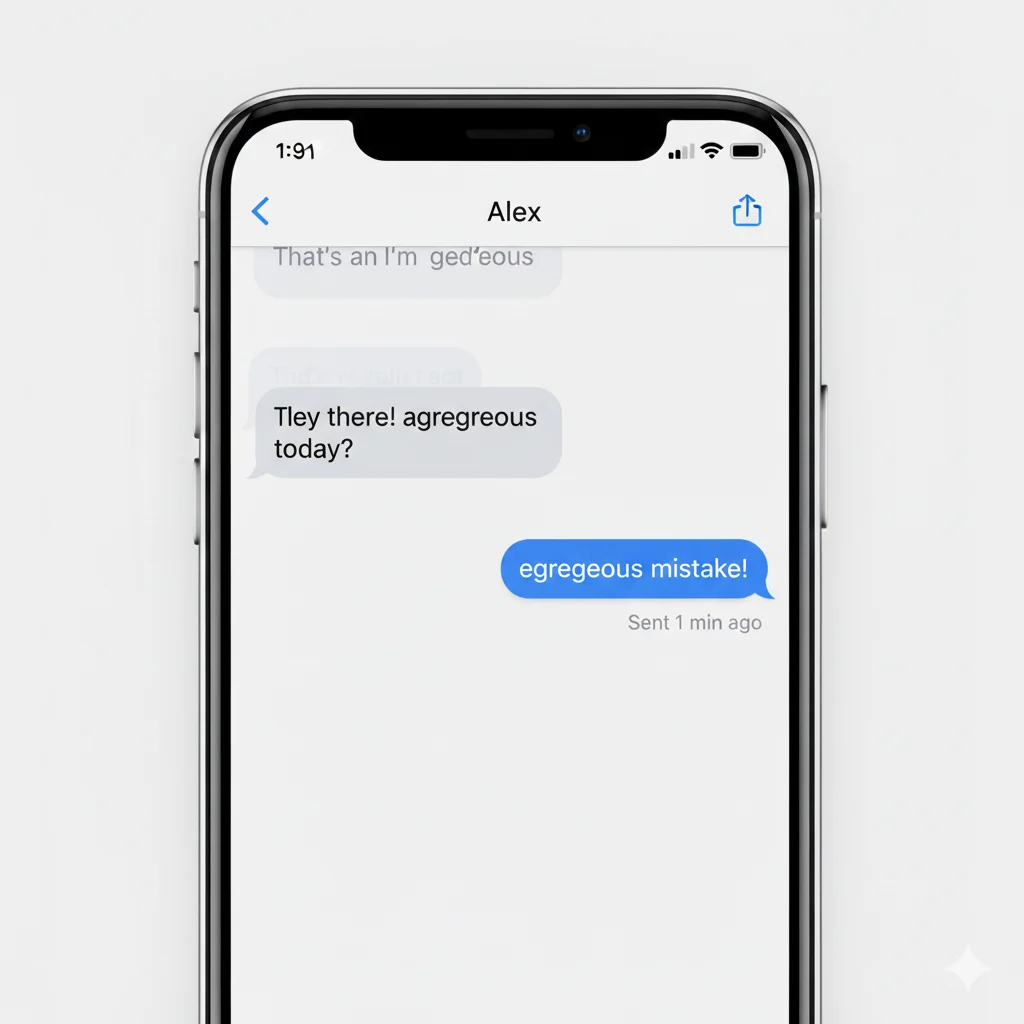
💡 Examples of ‘Egregious’ in Conversations
Example 1:
Friend 1: Did you see the test results mix-up?
Friend 2: Yeah, that was an egregious mistake by the lab. 😬
Example 2:
Manager: This was an egregious breach of company policy — we can’t overlook it.
Example 3 (Formal):
“His egregious disregard for safety regulations put everyone at risk.”
🧠 Similar or Related Terms
Here are a few words often compared with egregious, along with their differences:
| Word | Meaning | How It Differs from ‘Egregious’ |
| Atrocious | Extremely bad or unpleasant | Usually describes something horrifying |
| Outrageous | Shockingly wrong or excessive | Can mean bad or surprisingly bold |
| Flagrant | Obvious and offensive | Often used in legal or rule-breaking contexts |
| Grievous | Causing great pain or suffering | More emotional or tragic in tone |
✍️ How to Use ‘Egregious’ Correctly
✅ Do’s:
- Use egregious to describe serious or shocking mistakes.
- Apply it when something stands out for being especially bad or wrong.
- Use it in formal or professional writing to emphasize severity.
❌ Don’ts:
- Don’t use egregious for small or minor issues.
- Avoid it in casual slang or friendly chats — it sounds too formal.
Examples:
✅ “The player’s egregious foul cost the team the game.”
❌ “My coffee’s cold — that’s egregious.” (Too dramatic for a small issue!)
⚠️ Common Mistakes or Misinterpretations
- Mistake 1: Thinking egregious means “great” or “impressive.”
→ It once did centuries ago, but now it’s strictly negative. - Mistake 2: Overusing it for trivial matters.
→ Egregious should emphasize something major, not minor annoyances. - Mistake 3: Confusing it with outrageous or grievous.
→ While similar, egregious focuses on how shockingly bad something is, not necessarily tragic or emotional.
❓ FAQ Section
1. What does ‘egregious’ mean in simple terms?
It means something very bad or shocking, often because it’s obvious or avoidable.
2. Is ‘egregious’ positive or negative?
It’s always negative today, even though it originally meant “remarkably good.”
3. Is ‘egregious’ formal or casual?
Egregious is formal and is best used in professional or academic settings, not in everyday slang.
4. What’s a synonym for ‘egregious’?
Common synonyms include outrageous, atrocious, flagrant, and appalling.
5. Can I say someone is an ‘egregious liar’?
Yes! That phrase means the person lies shamelessly and blatantly.
6. When should I not use ‘egregious’?
Avoid it for small inconveniences or casual remarks — it exaggerates seriousness.
🏁 Conclusion
To wrap it up, egregious means shockingly bad or glaringly wrong. Once used to describe excellence, it now highlights serious faults or mistakes that stand out in the worst way.
Whether you’re writing an essay, analyzing news, or calling out major errors, egregious adds weight and precision to your words.
Now that you understand the egregious meaning, you’ll never misuse it again! Keep exploring our site for more insightful word meanings and modern English guides.

Deborah Levy is a word-meaning expert at Meanovia.com. She explains complex terms, phrases, and language trends in a clear, relatable way, helping readers quickly understand the exact meaning behind every word.