
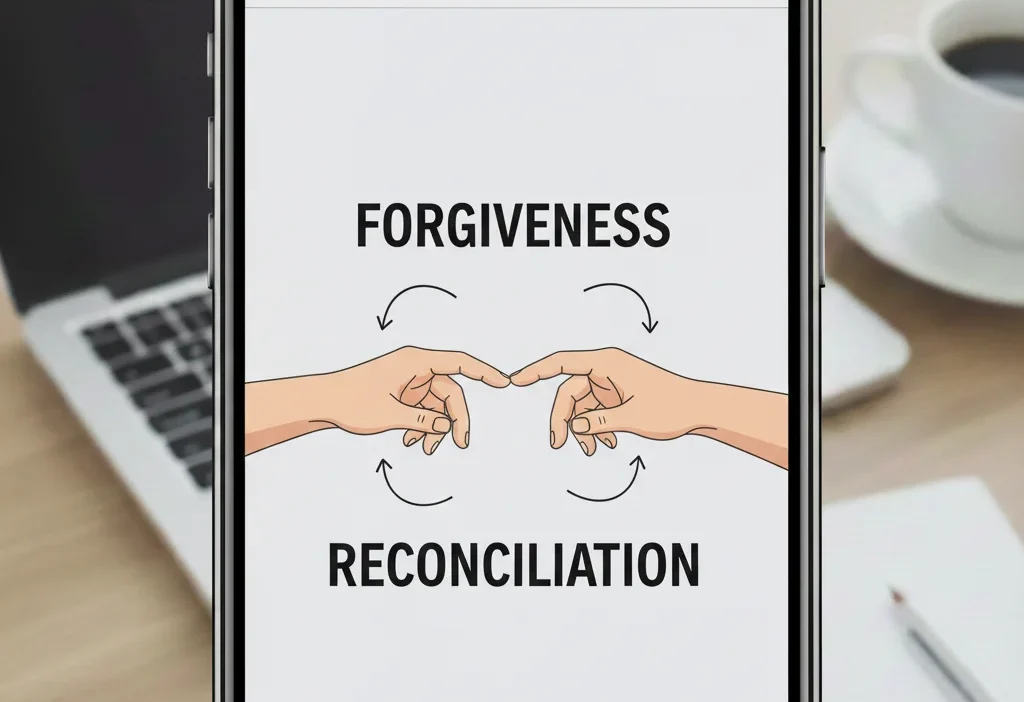
Atonement means making amends for a wrong or sin by showing repentance, apology, or corrective action. It involves taking responsibility and seeking forgiveness or moral reconciliation.
You may come across the word atonement in religious texts, literature, or everyday conversations and wonder what it truly implies. Atonement goes beyond simply saying sorry—it involves acknowledging wrongdoing and actively trying to repair the harm caused. In many religious traditions, atonement is closely tied to repentance, forgiveness, and spiritual renewal.
Outside of religion, the term can also describe personal efforts to correct mistakes, rebuild trust, or restore relationships. Understanding the meaning of atonement helps clarify discussions about morality, responsibility, and growth, and explains why sincere actions matter more than words alone.
This guide explains atonement meaning, usage, and real-life examples to help you understand and use the term correctly.
💡 What Does Atonement Mean?
Atonement means making amends or reparation for a wrong, injury, or sin.
It’s a noun used to describe the act of seeking forgiveness or restoring harmony between people—or between humans and God.
Example:
“He made atonement for his mistakes by apologizing and helping those he hurt.”
🕰️ Origin and Popularity
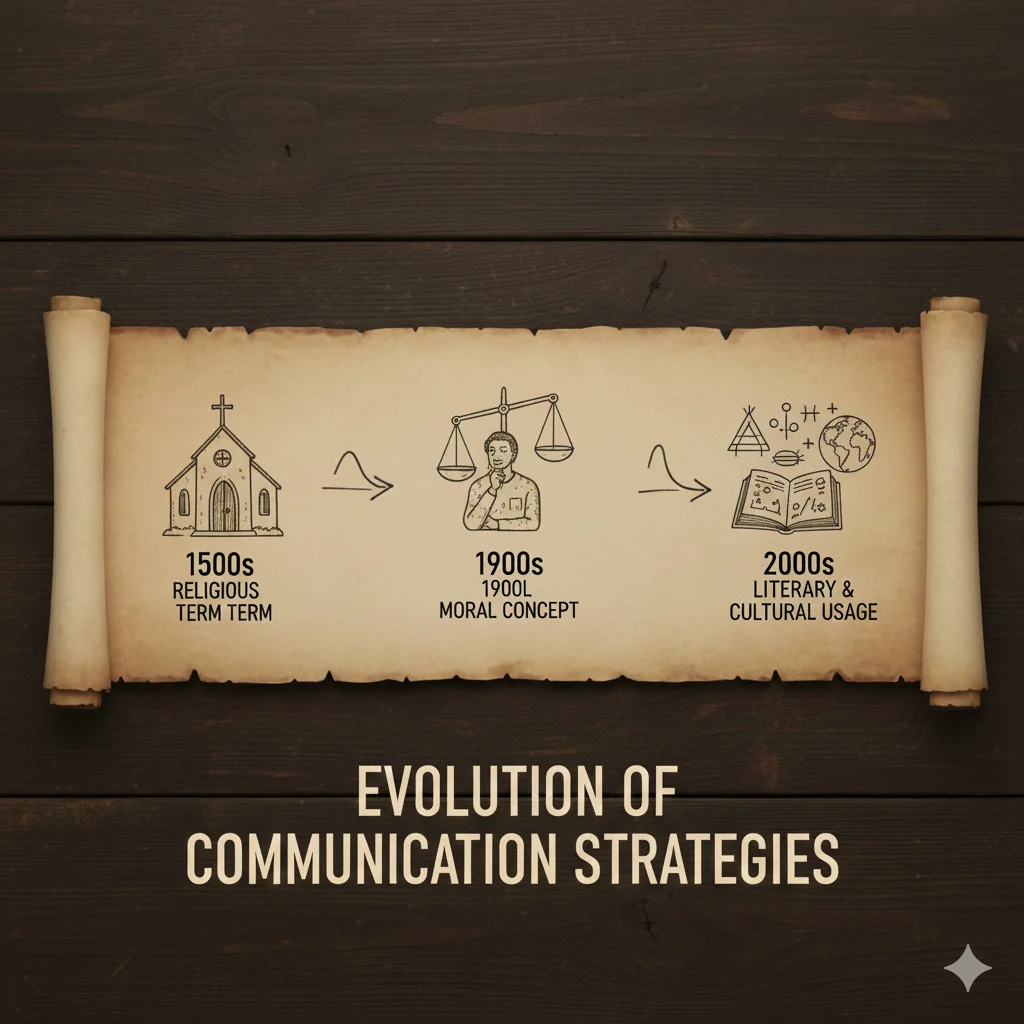
The word atonement comes from the phrase “at one,” meaning to be in harmony or unity. It first appeared in the 16th century, originally used in religious contexts to describe reconciliation between God and humanity.
Over time, it grew beyond theology and became part of everyday English, symbolizing peace-making, repentance, or moral repair.
By the 19th and 20th centuries, it appeared widely in literature and film, most notably in Ian McEwan’s novel “Atonement” (2001) and its Oscar-winning movie adaptation, which popularized the term in modern culture.
🗣️ Atonement Meaning in Different Contexts
🙏 In Religion
In theology, atonement refers to reconciliation between humans and God through acts of repentance or sacrifice.
“In Christianity, Jesus’ death is seen as an atonement for humanity’s sins.”
In other faiths, similar concepts exist—like Tawbah in Islam (repentance) or prāyaścitta in Hinduism (atonement rituals).
💬 In Everyday Life
Outside religion, atonement simply means making things right after doing wrong.
“He sought atonement by volunteering after causing harm.”
It often represents emotional healing or personal growth—acknowledging mistakes and acting to correct them.
📚 In Literature and Art
Writers use atonement to explore themes of guilt, forgiveness, and redemption.
“The novel Atonement beautifully portrays how one mistake can demand a lifetime of repentance.”
| Context | Meaning of Atonement | Tone/Use |
| Religion | Reconciliation with God | Sacred, formal |
| Personal Life | Making amends for wrongs | Emotional, moral |
| Literature | Guilt, redemption, forgiveness | Symbolic, reflective |

💬 Examples of Atonement in Sentences
Example 1:
Friend 1: He finally apologized to her?
Friend 2: Yes, he’s trying to make atonement for what happened last year.
Example 2:
“She viewed her years of charity work as atonement for her earlier selfishness.”
Example 3 (Religious):
“The ritual symbolizes atonement between believers and the divine.”
Example 4 (Literary):
“In the story, the hero’s journey is one of atonement and redemption.”
🔍 Similar or Related Terms
Here are a few related words and how they differ from atonement:
| Word | Meaning | Difference |
| Repentance | Feeling regret for wrongdoing | Focuses on emotion, not action |
| Reconciliation | Restoring friendly relations | Centers on relationships |
| Forgiveness | Pardoning someone’s fault | Comes from the other person |
| Redemption | Regaining honor or salvation | Broader and often spiritual |
| Amends | Compensation for harm done | More practical or personal |
🧭 How to Use ‘Atonement’ Correctly
✅ Do’s:
- Use atonement when referring to making peace or correcting wrongs.
- Ideal for moral, religious, or emotional contexts.
❌ Don’ts:
- Don’t confuse it with “forgiveness” — atonement is about your action, not someone else’s response.
- Avoid using it casually; it’s a formal and profound term.
Example:
✅ “He made atonement through sincere apology.”
❌ “She made atonement for being late to lunch.” (Too minor for the word’s weight)
⚠️ Common Mistakes or Misinterpretations
- Thinking “atonement” only applies to religion.
→ It’s often spiritual, but it can also mean moral or personal healing. - Using it for small mistakes.
→ Atonement fits serious moral or emotional situations, not everyday slip-ups. - Confusing it with “forgiveness.”
→ Atonement is the act of making things right; forgiveness is the outcome.
❓ FAQ Section
1. What does ‘atonement’ mean in simple words?
It means making up for a wrong or mistake—an act of repairing harm or regaining peace after wrongdoing.
2. Is atonement a religious word?
Originally, yes. It began in religious contexts but now applies to personal and moral actions too.
3. What is an example of atonement?
Apologizing sincerely, helping those you’ve hurt, or performing a selfless act to make up for a past mistake.
4. What’s the difference between repentance and atonement?
Repentance is feeling regret; atonement is acting on that regret to make amends.
5. Can atonement happen without forgiveness?
Yes. You can atone for your mistakes even if others don’t forgive you—it’s about your conscience and actions.
6. What’s another word for atonement?
Synonyms include reparation, redemption, amends, and reconciliation.
🏁 Conclusion
To sum up, atonement means making amends for a wrong or seeking reconciliation.
From its roots in religion to its use in literature and personal growth, it represents the human desire to heal, restore, and be “at one” again.
Whether through apology, sacrifice, or change, true atonement is about actions that restore peace and integrity.
Now that you know the full atonement meaning, you can appreciate its depth and use it meaningfully in your conversations or writing.

Jon McGregor is a language and word-meaning expert at Meanovia.com. He specializes in explaining complex words, phrases, and modern language trends in a clear, approachable style. His mission is to help readers quickly grasp the true meaning behind every term, making language learning and understanding effortless and engaging.