

Ever heard someone say “Astaghfirullah” after something shocking or wrong and wondered what it really means?
Whether it’s a viral meme, a reaction video, or a heartfelt prayer, this Arabic phrase appears often in conversations — both online and offline.
But what does “Astaghfirullah” actually mean, where does it come from, and how should you use it correctly?
In this guide, we’ll explore:
✅ The definition of Astaghfirullah
✅ Its religious and linguistic origins
✅ How it’s used in daily life and online
✅ Examples and context for better understanding
✅ Related terms and common FAQs
🕌 What Does “Astaghfirullah” Mean?
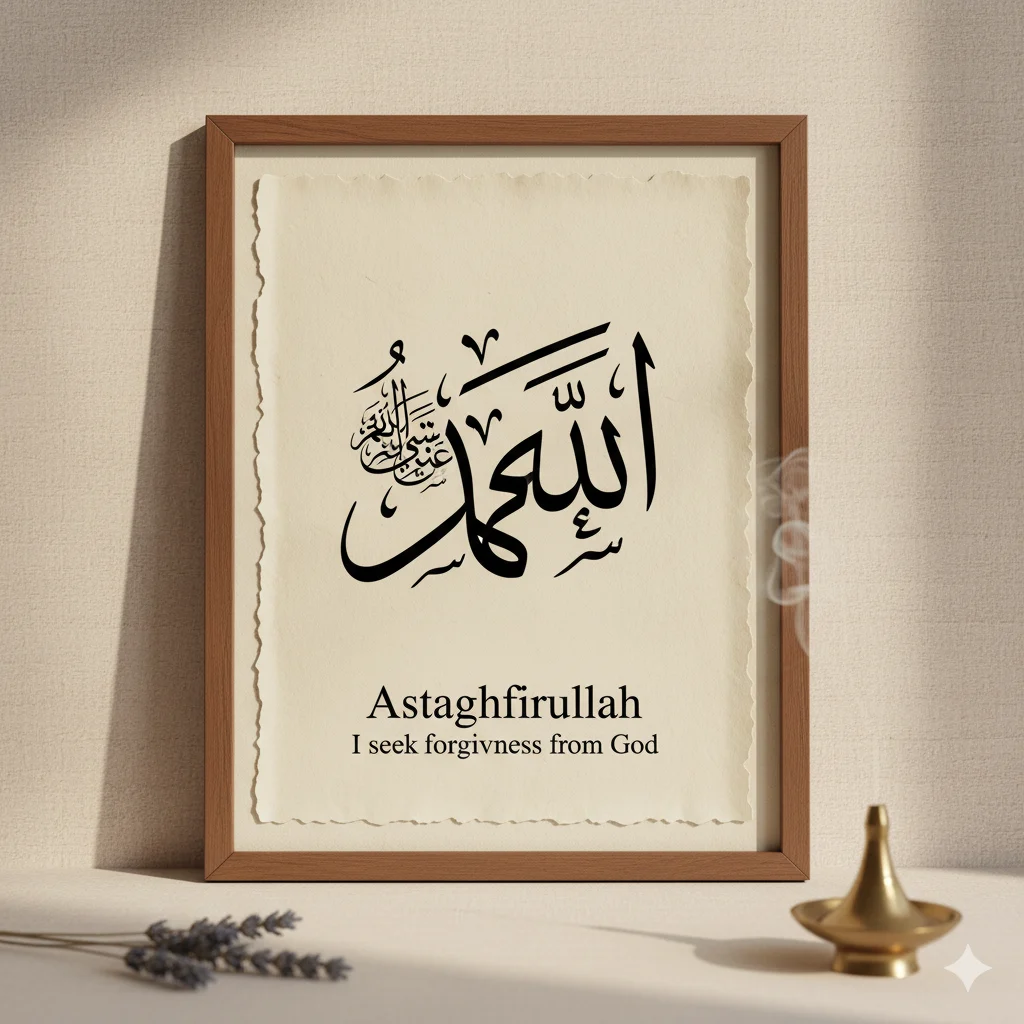
“Astaghfirullah” (Arabic: أستغفر الله) means “I seek forgiveness from Allah (God).”
It’s a religious phrase used by Muslims to express remorse, disapproval, or a request for forgiveness. You’ll often hear it in daily speech, prayers, or even as a reaction in texting and social media when someone sees or hears something inappropriate or shocking.
🌿 Origin and Popularity
The word “Astaghfirullah” comes from the Arabic root “gh-f-r” (غفر), which means “to forgive” or “to cover.”
- “Astaghfir” = I seek forgiveness
- “Allah” = God
So literally, Astaghfirullah means “I seek forgiveness from God.”
📖 Religious Background
The phrase appears multiple times in the Qur’an and Hadith, encouraging believers to seek forgiveness regularly. It’s considered an act of humility and repentance — a reminder of human imperfection and divine mercy.
💬 Modern Use
Today, Astaghfirullah isn’t limited to religious settings. It’s also part of everyday Muslim expression, especially in:
- Texting and chatting to express disbelief or disapproval.
- Social media posts reacting to controversial or inappropriate content.
- Casual speech after realizing a mistake or witnessing wrongdoing.
🕰️ Timeline Snapshot:
- 7th Century: Used in early Islamic practice and teachings.
- Modern Day: Common in conversation, memes, and digital culture across Muslim communities worldwide.
🌍 Astaghfirullah Meaning in Different Contexts
| Context | Meaning / Use | Example |
| Religious | Seeking forgiveness from God. | “Astaghfirullah for my shortcomings.” |
| Casual Speech | Expressing disapproval or shock. | “Astaghfirullah! I can’t believe he said that!” |
| Social Media / Texting | Reacting to something inappropriate or surprising. | “Astaghfirullah 😭 this video went too far.” |
| Self-Reflection | A reminder to stay humble and repent. | “Astaghfirullah, I need to pray more regularly.” |
💬 Examples of “Astaghfirullah” in Conversations
Example 1 (Religious Use):
Person 1: I missed my prayer today.
Person 2: Astaghfirullah, make sure to pray next time.
Example 2 (Reacting to Wrongdoing):
Friend 1: Did you hear what happened at school today?
Friend 2: Astaghfirullah, that’s terrible!
Example 3 (Texting Reaction):
Comment on a TikTok post: Astaghfirullah 😭 this is not okay.
Example 4 (Self-Reflection):
Tweet: Astaghfirullah, may Allah guide us all.
Example 5 (Meme Usage):
🌺 Similar or Related Terms
| Term | Meaning | Usage |
| Subhanallah | “Glory be to Allah” | Express amazement or admiration. |
| Alhamdulillah | “All praise be to Allah” | Used to express gratitude. |
| Insha’Allah | “If Allah wills” | Used when speaking about future intentions. |
| Allahu Akbar | “God is the Greatest” | Expresses awe or reverence. |
These are part of common Islamic expressions known as Dhikr (remembrance of God), used daily by Muslims worldwide.
🧭 How to Use “Astaghfirullah” Correctly
✅ Do’s:
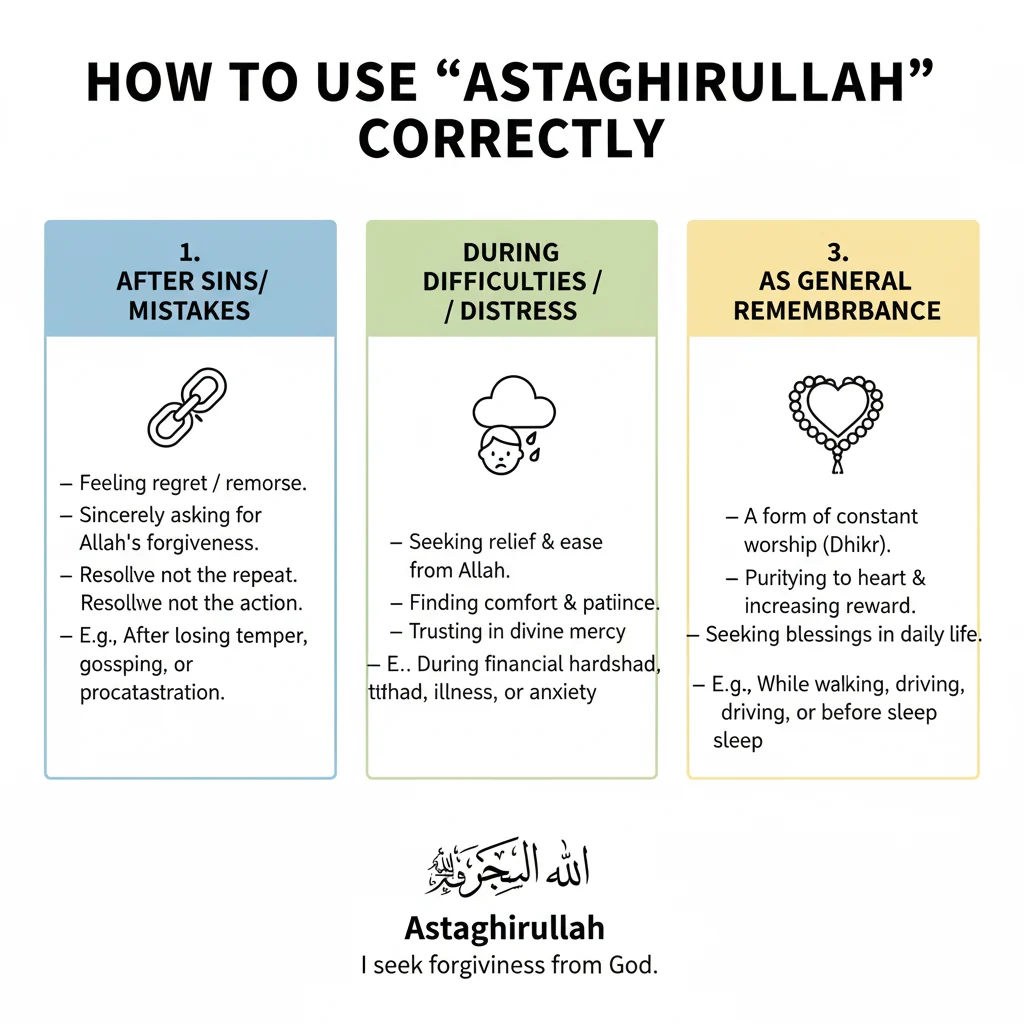
- Use it sincerely when seeking forgiveness or showing remorse.
- Say it after realizing a mistake or hearing something inappropriate.
- Use it respectfully in conversation or online.
❌ Don’ts:
- Don’t use it sarcastically or mockingly.
- Avoid using it out of context in memes or jokes that could be offensive.
- Don’t abbreviate or distort it (e.g., “astaghfirlol”) — it’s a sacred phrase.
⚠️ Common Mistakes or Misinterpretations
- Misunderstanding it as anger or judgment.
→ Truth: It’s often a personal expression of disapproval or reflection, not condemnation. - Thinking it’s only for big sins.
→ Truth: Muslims say Astaghfirullah for both small and major mistakes — or even as a daily spiritual habit. - Assuming it’s slang.
→ Truth: It’s not slang — it’s a religious and spiritual phrase with deep meaning, though it’s often used casually in modern speech.
❓ FAQ Section
1. What does “Astaghfirullah” mean in English?
It means “I seek forgiveness from Allah”, expressing repentance or disapproval of something wrong or inappropriate.
2. Is “Astaghfirullah” only used by Muslims?
It’s primarily a Muslim expression, but non-Muslims may hear or use it respectfully in cultural or interfaith contexts.
3. When should I say “Astaghfirullah”?
You can say it after sinning, hearing something wrong, or realizing a mistake — or simply as a daily reminder to stay mindful.
4. Is “Astaghfirullah” a prayer or a phrase?
It’s both — a short prayer for forgiveness and a verbal expression of spiritual awareness.
5. Can I text or post “Astaghfirullah” online?
Yes — many people write it in Arabic or transliteration on social media to express disapproval, reflection, or sincerity.
6. What’s the difference between “Astaghfirullah” and “Subhanallah”?
Astaghfirullah means seeking forgiveness, while Subhanallah means praising or glorifying God.
🌼 Conclusion
In short, “Astaghfirullah” is a beautiful Arabic expression that means “I seek forgiveness from Allah.” It’s used by Muslims to show humility, repentance, and moral awareness — whether in prayer, reflection, or casual conversation.
From heartfelt repentance to viral reactions, the phrase reminds millions to stay grounded in faith and mindfulness in every situation.
✨ Now that you know what “Astaghfirullah” means, you’ll understand its depth — and perhaps even use it sincerely in your own reflections. Keep exploring our site for more cultural and spiritual meanings explained simply.

Patrick Gale is a word-meaning expert at Meanovia.com. He explains complex terms, definitions, and language trends with clarity and precision. His goal is to help readers understand the exact meaning behind every word they search.