

Ever blown your nose and noticed yellow snot, then wondered, “Is this a sign of something serious or just a normal cold?” You’re not alone!
Yellow mucus — or yellow snot — often sparks confusion and concern, especially during flu season. But what does it actually mean?
In this article, we’ll cover:
- ✅ The meaning of yellow snot
- 🧬 Its causes and origins
- 💬 What it means in different health contexts
- 👩⚕️ When to worry and when it’s normal
- 🩺 FAQs and expert insights
So, let’s clear things up — literally and medically — about what your yellow snot might be telling you.
🤔 What Does Yellow Snot Mean?
Yellow snot usually means your body is fighting an infection — most often a cold, sinus infection, or respiratory irritation.
As your immune system sends white blood cells to attack germs, those cells die off, giving the mucus its yellow color.
In short:
Yellow snot = Your body’s defense system working hard.
🧬 Origin and Popularity of the Term “Yellow Snot”
The phrase “yellow snot” isn’t medical jargon — it’s everyday language for yellow nasal mucus.
- The term started trending in online health forums and search engines during the 2010s, as people sought quick, visual answers about cold symptoms.
- By the 2020s, “yellow snot meaning” became a highly searched term on Google, TikTok, and Reddit health communities, as users compared mucus colors to self-diagnose infections.
💡 Fun fact: The “mucus color chart” you often see on Pinterest or WebMD actually comes from ENT (ear, nose, and throat) research that correlated mucus color with infection stages.
🩸 Yellow Snot Meaning in Different Contexts
Yellow mucus can mean slightly different things depending on the situation or stage of illness. Let’s break it down 👇
🕓 1. Early Stage of a Cold
If your snot turns yellow after being clear, it usually means your immune system has started fighting off a viral infection.
- Mild congestion
- Slight fatigue
- No fever (usually)
Meaning: The body’s defense response — not necessarily serious.
🤒 2. Sinus Infection (Sinusitis)
If yellow mucus persists for more than 10 days, becomes thick, and is accompanied by facial pain or pressure, it may point to sinusitis.
Meaning: Possible bacterial infection — you may need medical advice.
🌡️ 3. Allergies Turning into Infection
Chronic allergies can cause nasal inflammation, trapping bacteria and leading to yellow snot.
Meaning: Allergic reaction + mild secondary infection.
Tip: Use saline rinses and avoid known allergens.
🫁 4. After Illness Recovery
Sometimes, mucus turns yellow near the end of a cold. This simply shows your immune system is cleaning up dead cells.
Meaning: Healing phase — you’re getting better!
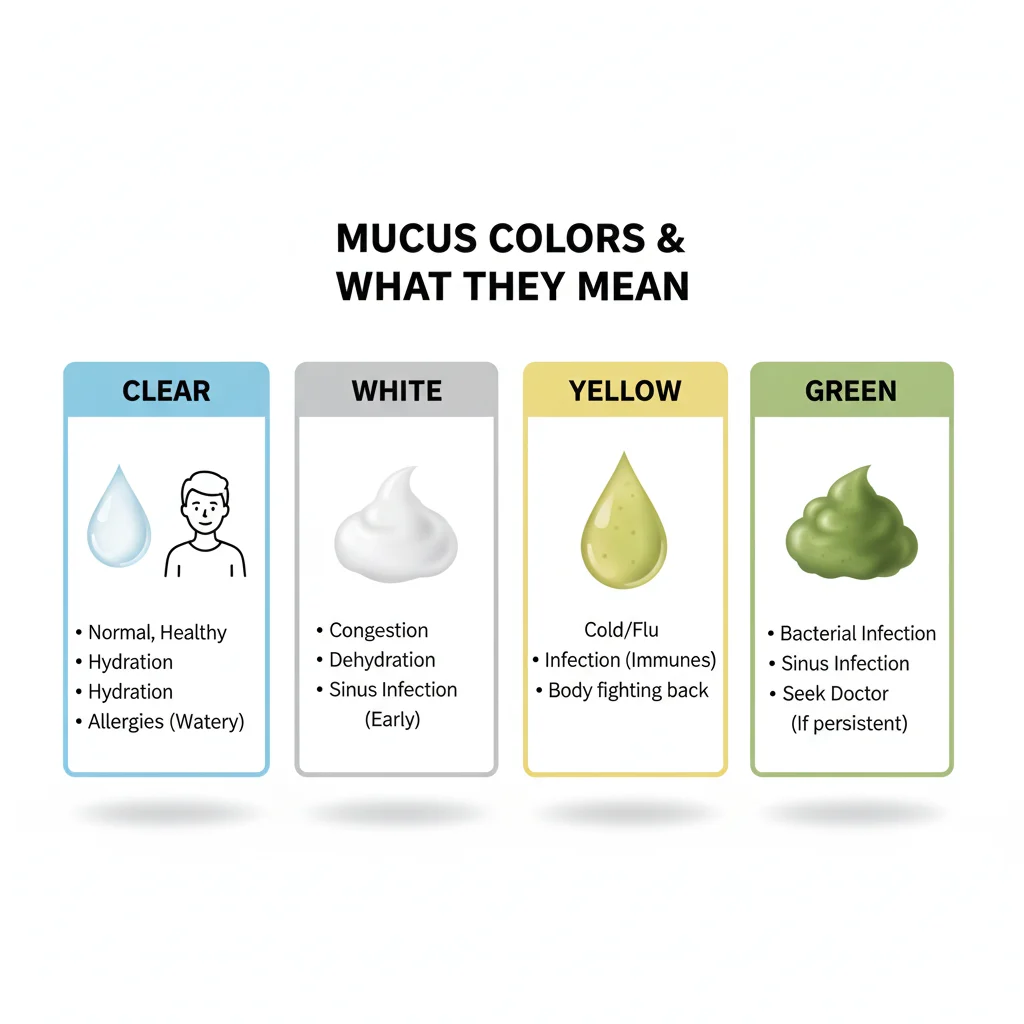
| Mucus Color | Possible Meaning | Common Cause |
|---|---|---|
| Clear | Healthy or allergies | Normal |
| White | Congestion | Early cold |
| Yellow | Fighting infection | Cold/Sinusitis |
| Green | Strong infection | Bacterial |
| Brown/Red | Blood or dryness | Irritation |
💋 210+ Lascivious Meaning Explained in Simple Words 😏 | 2025
💬 Examples of Yellow Snot in Real-Life Situations
Example 1 – Common Cold:
“I woke up with yellow snot and a stuffy nose. Guess my immune system’s in action again!”
Example 2 – Sinus Infection:
“My nose has been clogged with thick yellow mucus for over a week — time to see a doctor.”
Example 3 – Allergy Season:
“After two weeks of sneezing, my allergies turned bad — now it’s all yellow mucus!”
🩺 Doctor’s Note Example:
“The patient reports yellow nasal discharge and mild sinus pressure consistent with viral rhinitis.”
🔍 Similar or Related Health Terms
To fully understand the meaning of yellow snot, it helps to compare it with other mucus-related terms:
| Term | Meaning | Indicates |
|---|---|---|
| Clear Snot | Normal mucus | Healthy nasal function |
| White Snot | Thicker mucus | Early cold or congestion |
| Green Snot | Stronger infection | Bacterial presence |
| Brown Snot | Dried blood or pollution | Irritation or dryness |
| Bloody Mucus | Red streaks in snot | Dry air or nosebleed |
These variations help doctors assess illness stages and infection severity.
✅ How to Handle Yellow Snot Correctly
When you see yellow snot, here’s what to do (and what not to):
Do’s
- 💧 Stay hydrated – helps thin mucus.
- 🌬️ Use a humidifier – reduces nasal dryness.
- 🧂 Try saline sprays or rinses – clears sinuses gently.
- 😴 Rest – boosts your immune system.
- 💊 Over-the-counter meds – if symptoms persist.
Don’ts
- ❌ Don’t panic — color alone doesn’t confirm infection.
- ❌ Don’t take antibiotics without a doctor’s advice.
- ❌ Don’t overuse nasal sprays — they can cause rebound congestion.
Pro tip: If your yellow snot lasts longer than 10 days, or is paired with fever, sinus pain, or headache, it’s time to call your doctor.
⚠️ Common Misinterpretations
Many people assume yellow snot = bacterial infection, but that’s not always true.
Here are some common misconceptions:
- ❌ “Yellow snot means I need antibiotics.”
➤ Not necessarily! Most yellow mucus comes from viral infections, which antibiotics can’t treat. - ❌ “Green snot is always worse.”
➤ Color intensity doesn’t always match infection severity. - ❌ “Mucus should always be clear.”
➤ Not true — mucus naturally changes color during your immune response.
📬 Via Meaning – Definition, Origin & Real Examples 2025 Guide
❓ FAQs About Yellow Snot Meaning
1. What does yellow snot mean in adults?
Yellow snot in adults usually means your immune system is fighting a viral or mild bacterial infection. It’s often seen during colds, sinus congestion, or seasonal allergies.
2. Is yellow snot a sign of infection?
It can indicate infection, but not always. The yellow tint comes from dead white blood cells, which appear even during viral illnesses — not just bacterial ones.
3. Should I worry about yellow snot?
Not immediately. If you have no fever, minimal pain, and symptoms improve within a few days, it’s harmless. Seek medical help if symptoms persist over 10 days or worsen.
4. Can allergies cause yellow snot?
Yes. Prolonged allergies can irritate nasal passages, causing inflammation and trapped bacteria — leading to yellow mucus.
5. How can I treat yellow snot naturally?
- Steam inhalation
- Saline nasal rinse
- Drinking warm fluids
- Rest and hydration
If symptoms persist or worsen, see a healthcare provider.
6. What does yellow snot mean in kids?
In children, yellow mucus usually signals a common cold or minor sinus infection. Monitor for fever, irritability, or breathing difficulty and consult a pediatrician if needed.
🧠 Expert Tip: Mucus Is a Health Indicator
Doctors often use mucus color, texture, and duration as clues to diagnose underlying conditions.
- Color change → immune activity
- Thickness → hydration level
- Duration → possible infection or allergy
So, while yellow snot may look gross, it’s actually your body showing it’s doing its job.
🏁 Conclusion
Now you know — yellow snot doesn’t automatically mean you’re seriously sick. It’s usually just a sign that your body’s immune system is fighting off germs or healing from a mild infection.
However, if it lingers for weeks, becomes thick or greenish, or comes with fever and sinus pain, it’s best to consult a doctor.
Understanding what your mucus color means helps you make smarter health choices — and worry less about everyday sniffles.
So next time you see yellow snot, don’t panic — just hydrate, rest, and let your body work its natural magic. 💪

Evie Wyld is a word-meaning specialist at Meanovia.com. She simplifies complex words, phrases, and language trends, helping readers quickly grasp the exact meaning behind every term in a clear and approachable way.