
Ever heard someone say “Wallahi” and wondered what it really means? 🤔 Whether you’ve seen it in TikTok comments, text messages, or heard it in everyday conversations, this term often leaves non-native speakers curious.
“Wallahi” is a widely used Arabic expression that carries deep meaning and cultural significance — but it’s also found its way into global internet slang.
In this article, we’ll cover:
✅ The definition of Wallahi
📜 Its *origin and meaning in Islam
💬 How it’s used in texting and social media
🗣️ Examples in real conversations
🚫 Common misuses and related terms
By the end, you’ll understand exactly what “Wallahi” means and how to use it respectfully.
💡 What Does Wallahi Mean?
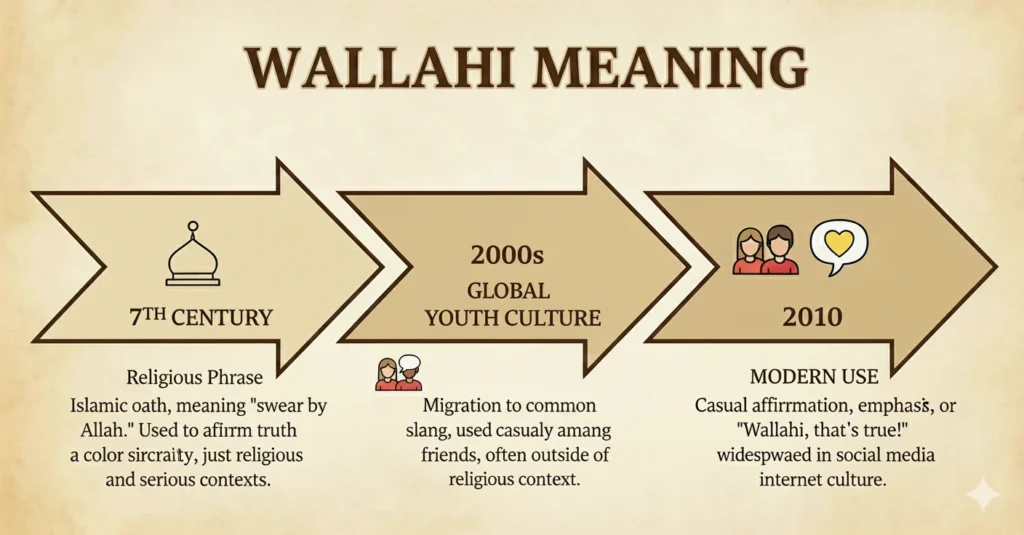
“Wallahi” means “I swear to God” in Arabic.
It’s a phrase used by Muslims and Arabic speakers to emphasize that what they’re saying is true or sincere. It’s not slang, but a religiously significant oath, derived from the word Allah (God).
Example:
“Wallahi, I didn’t eat your food!” = “I swear to God, I didn’t eat your food.”
🕰️ Origin and Popularity
The term “Wallahi” comes directly from Classical Arabic and has been part of the language for over 1,400 years. It appears in Islamic scripture and daily Muslim speech as a truthful oath.
- Wallahi (والله) literally means “By God” or “I swear to God.”
- It is often used when making a promise or confirming honesty.
In recent years, the word has become popular globally — especially in places like the UK, Canada, and the U.S., where Muslim and Arab youth have brought it into internet culture, memes, and TikTok trends.
🌍 Wallahi Meaning in Different Contexts
💬 In Everyday Conversation
People use Wallahi to show they’re telling the truth or being serious.
“Wallahi, I saw him do it!”
It’s often said when someone feels misunderstood or wants to stress honesty.
📱 In Texting or Online
On social media like TikTok, Twitter (X), and Instagram, Wallahi can appear in memes or funny posts. Younger users might use it casually, even humorously, though the original meaning remains serious.
“Wallahi, this pizza slaps harder than expected 🍕😂”
🕌 In Religious or Formal Contexts
In Islam, Wallahi is a solemn oath — not to be taken lightly. Saying “Wallahi” falsely (swearing by God and lying) is considered a sin in Islamic belief.
| Context | Meaning of “Wallahi” | Tone/Use |
| Casual Chat | “I swear” (emphasis or honesty) | Neutral/Funny |
| Religious Use | “I swear to God” (oath of truth) | Serious |
| Online/Memes | Exaggeration or emphasis | Lighthearted |
💬 Examples of ‘Wallahi’ in Conversations
Example 1:
Friend 1: Did you really see him there?
Friend 2: Wallahi, I did!
Example 2:
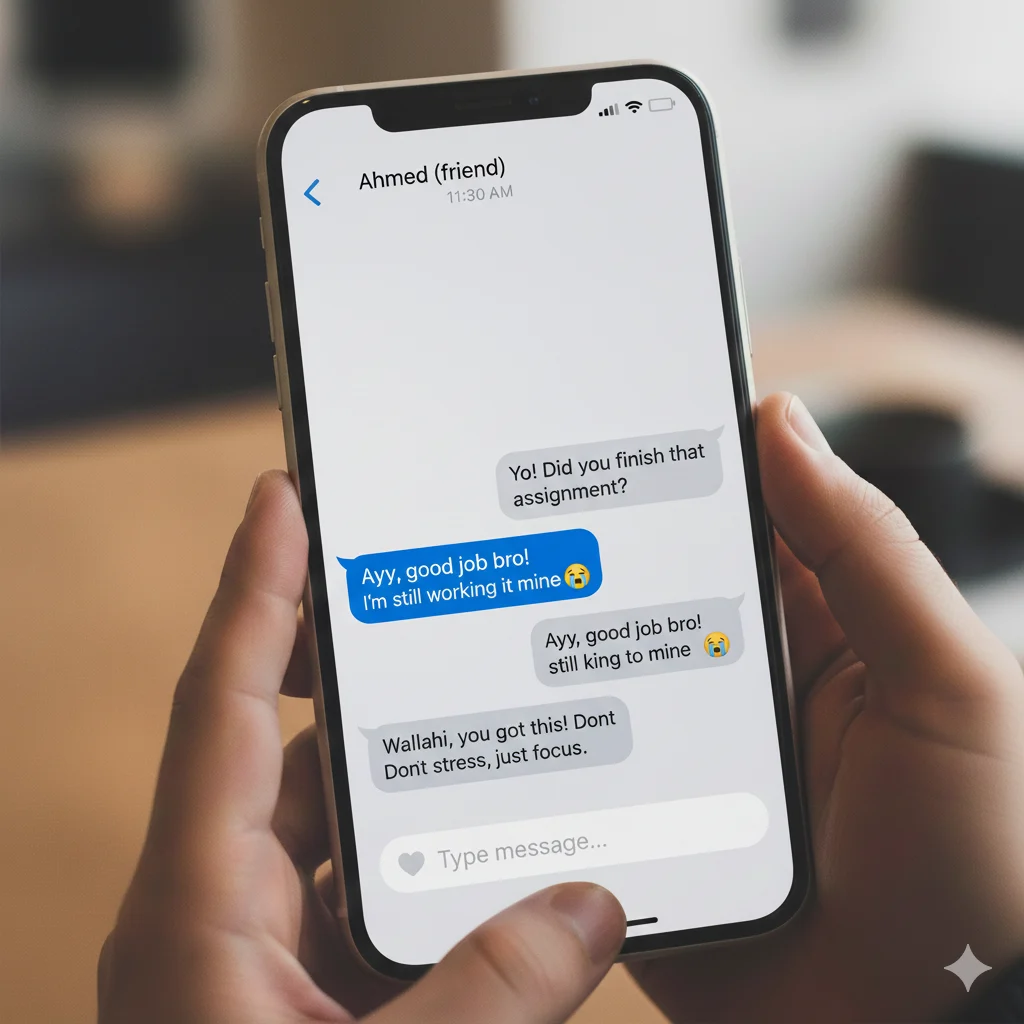
Text message:
“Wallahi, that was the best concert I’ve ever been to!”
Example 3 (Formal):
“Wallahi, I’ll pay you back tomorrow.”
🔁 Similar or Related Terms
Here are some related Arabic and English expressions that share a similar tone or meaning:
| Term | Meaning | Context |
| Insha’Allah | “If God wills” | Future events or hopes |
| Bismillah | “In the name of God” | Before starting something |
| Mashallah | “As God has willed” | Expressing admiration |
| I swear / On God | English equivalents | Informal emphasis |
While “On God” or “I swear” are similar in tone, Wallahi carries religious weight — it’s not just slang but a statement tied to faith.
🧠 How to Use ‘Wallahi’ Correctly
✅ Do’s:
- Use Wallahi when you truly mean what you’re saying.
- Understand that it’s a religious oath, not casual slang.
- Use it respectfully when speaking to Arabic or Muslim audiences.
❌ Don’ts:
- Don’t say Wallahi jokingly if you don’t mean it — it can offend people.
- Avoid using it sarcastically in religious contexts.
Example:
✅ “Wallahi, I didn’t forget your birthday!”
❌ “Wallahi, I’ll eat this whole cake!” (if not serious)
⚠️ Common Mistakes or Misinterpretations
- Mistake: Thinking “Wallahi” is just a meme or slang.
→ It’s actually a sacred phrase with deep religious meaning. - Mistake: Using “Wallahi” to exaggerate or lie.
→ In Islam, swearing by God falsely is a sin. - Mistake: Assuming it’s only used by Arabs.
→ Muslims from many countries (Somalia, Pakistan, Indonesia, etc.) use Wallahi.
❓ FAQ Section
1. What does “Wallahi” mean in English?
“Wallahi” means “I swear to God.” It’s used to show sincerity, truthfulness, or strong emphasis.
2. Is “Wallahi” slang or formal?
It’s a formal religious phrase in Arabic, but it’s also used informally in casual conversation and online.
3. Is it okay for non-Muslims to say “Wallahi”?
While not forbidden, it’s best used respectfully and with understanding of its religious meaning.
4. What’s the difference between “Wallahi” and “Insha’Allah”?
Wallahi means “I swear to God,” while Insha’Allah means “If God wills.” One expresses truthfulness, the other expresses hope or intention.
5. Where is “Wallahi” most used?
It’s commonly used across Arabic-speaking countries, and by Muslims globally — from the Middle East to Africa, Europe, and beyond.
6. When should you not use “Wallahi”?
Avoid using it jokingly, in sarcasm, or when you’re unsure of the truth — it’s considered disrespectful in those cases.
🏁 Conclusion
To wrap it up, “Wallahi” means “I swear to God” — a deeply meaningful Arabic phrase that conveys honesty and sincerity. 🌙
While it’s used casually by many around the world today, its roots are religious and cultural, reminding speakers to value truth. Whether you hear it in a funny meme or a serious promise, the weight behind Wallahi remains powerful.
Now that you know the true Wallahi meaning, you’ll never misunderstand it again! Keep exploring our site for more word meanings, cultural phrases, and trending expressions.

Deborah Levy is a word-meaning expert at Meanovia.com. She explains complex terms, phrases, and language trends in a clear, relatable way, helping readers quickly understand the exact meaning behind every word.