Ever seen “TTY” pop up in a text, email, or settings menu and wondered what it means?
You’re not alone — this little abbreviation carries different meanings depending on where you see it. From accessibility technology to casual texting slang, “TTY” has evolved far beyond its original use.
TTY stands for “Talk To You,” commonly used in text messages and online chats to say you’ll speak again later.
The abbreviation TTY is often seen in casual texting and online conversations, and readers may want to confirm what it means. It’s a simple, informal way to end a conversation politely while suggesting future communication. TTY is typically used among friends, family, or in relaxed chats rather than formal settings.
Understanding the meaning of TTY helps you interpret tone and intent in digital messages. It signals friendliness and openness without sounding abrupt. While TTY can also have other meanings in technical contexts, in texting it most commonly refers to “talk to you.” Knowing the context ensures you understand the message correctly and respond appropriately.
💬 What Does TTY Mean?
“TTY” stands for “Talk To You.”
It’s a casual abbreviation used in texting and online chats to tell someone you’ll speak to them soon.
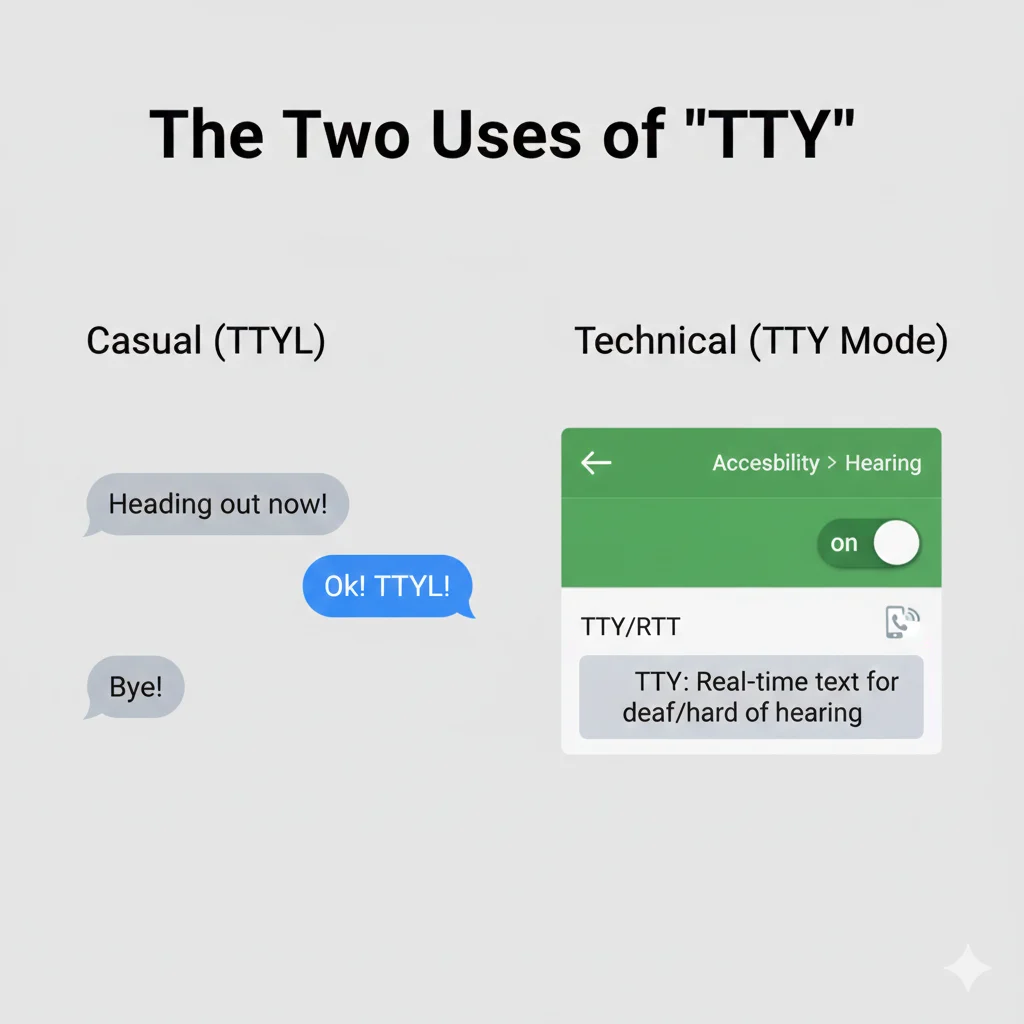
However, in technology and telecommunication, TTY also means “Teletypewriter”, a device that helps people with hearing or speech difficulties communicate via text over phone lines.
So, depending on the context, TTY can mean “Talk To You” (slang) or “Teletypewriter” (technical term).
🕰️ Origin and Popularity
Originally, TTY (Teletypewriter) dates back to the mid-1900s when it was invented to transmit typed messages across phone networks. It later became a crucial accessibility feature for deaf or hard-of-hearing users.
The slang version — “TTY” meaning “Talk To You” — appeared much later, around the early 2000s, during the rise of SMS and instant messaging platforms. It often appeared as part of “TTYL,” which stands for “Talk To You Later.”
Over time, some people shortened “TTYL” to “TTY” in casual chats — especially on Snapchat, Instagram, and text messages — to sound quicker and trendier.
📈 Fun fact: Searches for “TTY meaning in text” have steadily increased as younger users rediscover it in nostalgic or ironic ways on social media.
📲 TTY Meaning in Different Contexts
Here’s how TTY changes meaning across platforms and scenarios:
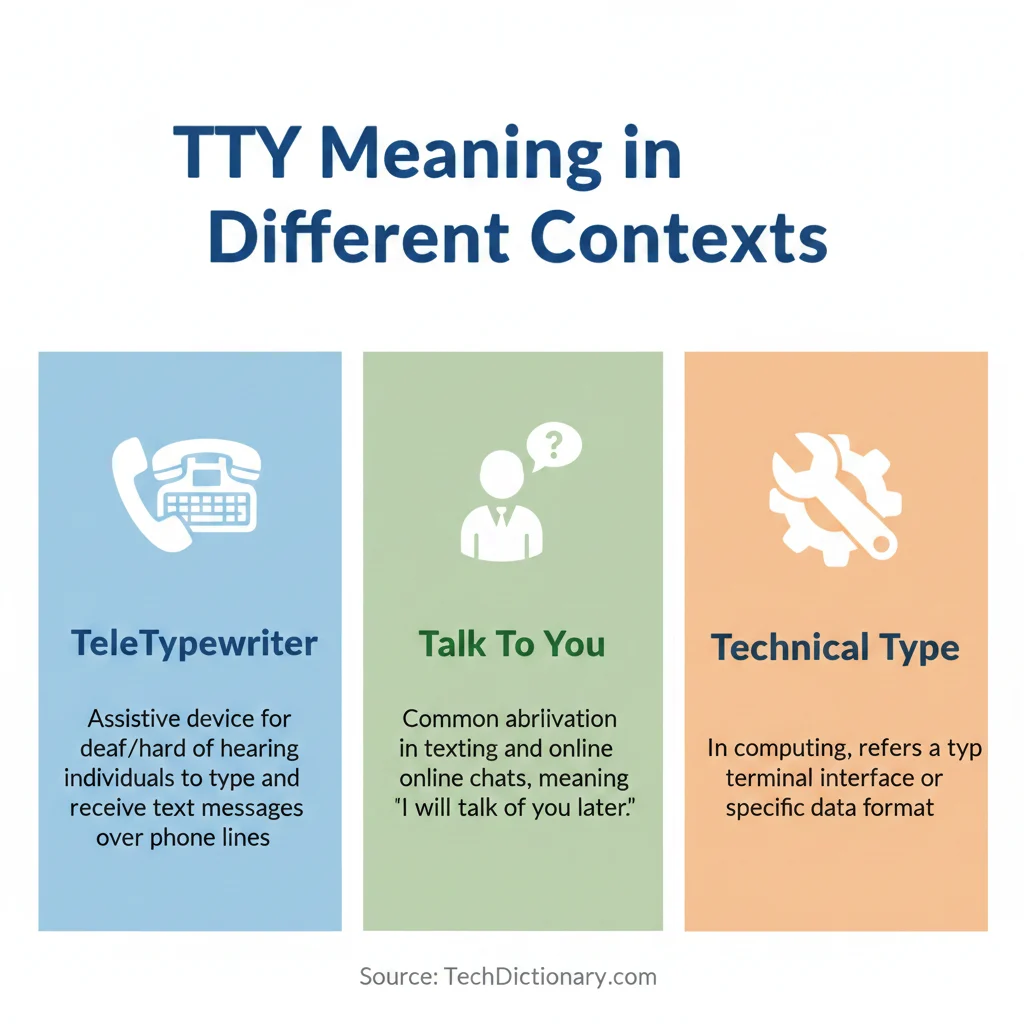
| Context / Platform | Meaning of TTY | Tone / Use |
| Texting / Chat | “Talk To You” | Casual and friendly |
| Technology / Phones | “Teletypewriter” | Accessibility feature for the deaf or hard of hearing |
| Emails / Business | Rarely used | Might confuse recipients unless referring to technical term |
| Social Media (TikTok, Instagram) | Sometimes used ironically or in nostalgic memes | Playful, Gen Z slang |
💡 Examples of “TTY” in Conversations
Here are some realistic examples showing both meanings:
In Texting (Slang):
Friend 1: Gotta run, tty soon!
Friend 2: Sure! Call me later?
Another Example:
You: Busy rn, tty after dinner 😄
Friend: Cool, talk then!
In Technical Context (Accessibility):
“If you’re using a TTY device, please dial 711 to connect with a relay service.”
🔄 Similar or Related Terms
Here are some related abbreviations and how they compare:
| Term | Full Form | Meaning / Use |
| TTYL | Talk To You Later | More common and polite sign-off in chats |
| BRB | Be Right Back | Temporarily leaving a conversation |
| GTG | Got To Go | Ending a chat quickly |
| TTYS | Talk To You Soon | Slightly more formal than TTY |
| TTFN | Ta-Ta For Now | Old-fashioned but still playful sign-off |
These abbreviations all share the same purpose — to end or pause a conversation in a friendly way.
✅ How to Use “TTY” Correctly
Do’s:
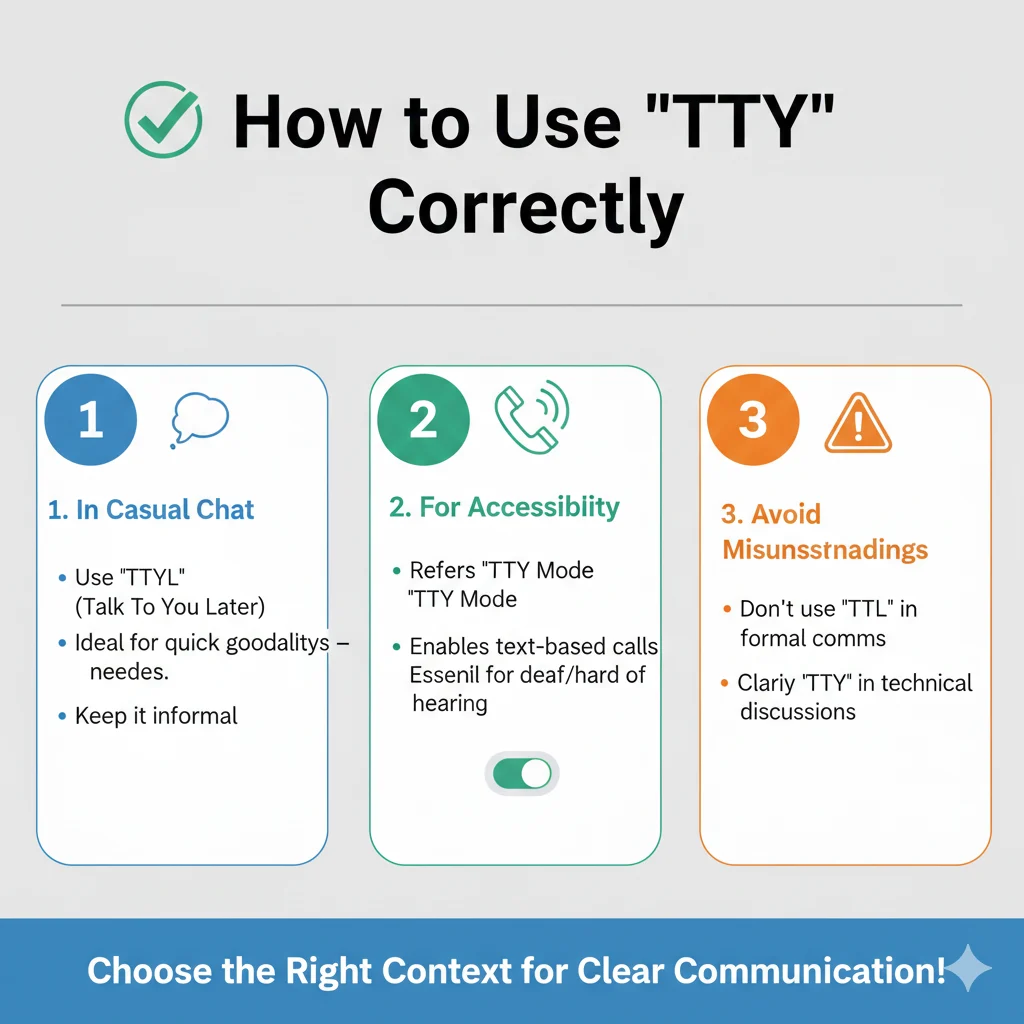
- ✅ Use TTY casually with friends or close contacts.
- ✅ It works well in texts, DMs, or informal chats.
- ✅ You can also use it as a short sign-off (e.g., “TTY soon!”).
Don’ts:
- ❌ Don’t use TTY in formal or professional emails.
- ❌ Avoid it if you mean Teletypewriter, unless you’re referring to accessibility settings or devices.
- ❌ Don’t confuse it with TTYL — which is more polite and widely understood.
⚠️ Common Mistakes or Misinterpretations
Many people mix up “TTY” and “TTYL.”
While they sound similar, TTY just means “Talk To You” — a shorter, more casual version — while TTYL specifically means “Talk To You Later.”
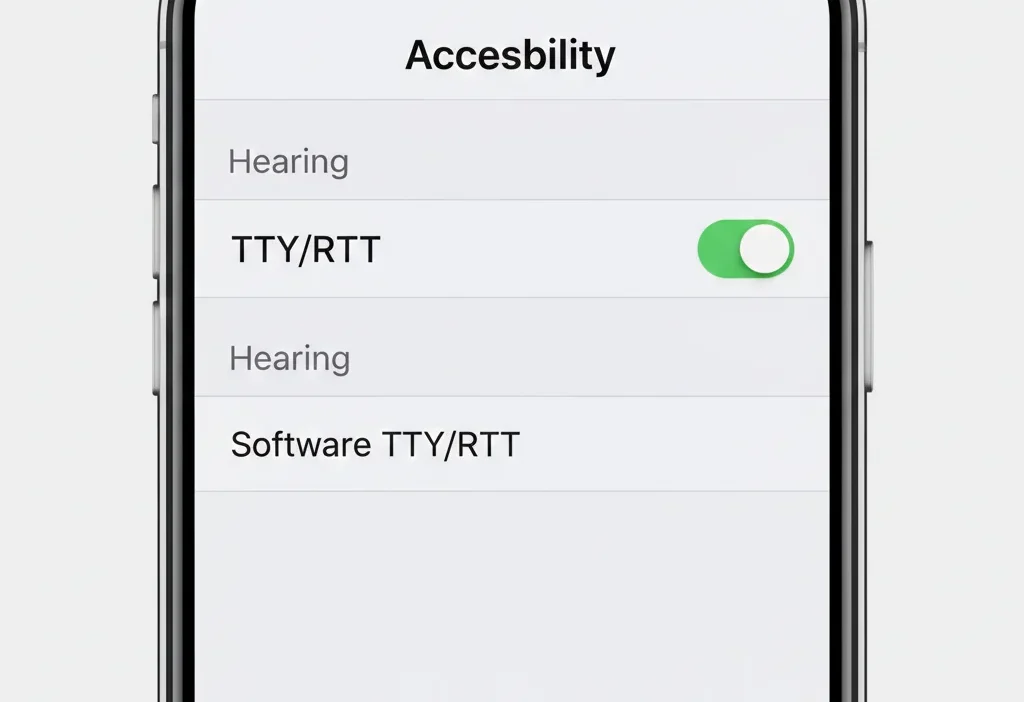
Also, remember that on your phone, “TTY mode” has nothing to do with texting slang. It’s an accessibility feature for text-based calling, not a chat abbreviation.
❓FAQ: TTY Meaning Explained
1. What does “TTY” mean in texting?
In texting, TTY means “Talk To You.” It’s a friendly way to end a message, similar to saying “catch you later.”
2. Is “TTY” slang or formal?
It’s slang — casual, friendly, and often used between friends. Not suitable for business or professional communication.
3. What’s the difference between “TTY” and “TTYL”?
“TTY” means Talk To You (short version), while “TTYL” means Talk To You Later. The latter implies you’ll reconnect later, not immediately.
4. What does “TTY mode” mean on my phone?
In your phone settings, TTY mode stands for Teletypewriter mode — an assistive feature allowing text communication over voice calls for users with hearing or speech difficulties.
5. How do you reply to “TTY”?
You can reply casually with phrases like:
- “Sure, tty soon!”
- “Okay, talk later!”
- “Catch you in a bit!”
6. When should you not use “TTY”?
Avoid using it in formal emails, professional texts, or academic communication. It can seem too casual or confusing outside personal chats.
🧭 Conclusion
In short:
“TTY” can mean two very different things — “Talk To You” in casual texting and “Teletypewriter” in accessibility technology.
Knowing the difference helps you use it confidently in the right setting. So next time you see “TTY,” you’ll instantly know whether it’s slang for a quick goodbye or a phone feature for inclusive communication.
👉 Now that you know what “TTY” means, you’ll never be confused again! Keep exploring our site for more trending internet slang and everyday abbreviations.

Patrick Gale is a word-meaning expert at Meanovia.com. He explains complex terms, definitions, and language trends with clarity and precision. His goal is to help readers understand the exact meaning behind every word they search.