
Ever bought a “leather” bag or jacket and noticed the label said “PU leather”? You might’ve wondered — is it real leather or something else entirely?
The term PU leather appears on everything from shoes and car seats to office chairs, but its meaning isn’t always clear.
In this article, we’ll cover:
The definition of PU leather
Its origin and production process
Different contexts where it’s used
Examples and comparisons
Common questions and misconceptions
🧩 What Does PU Leather Mean?
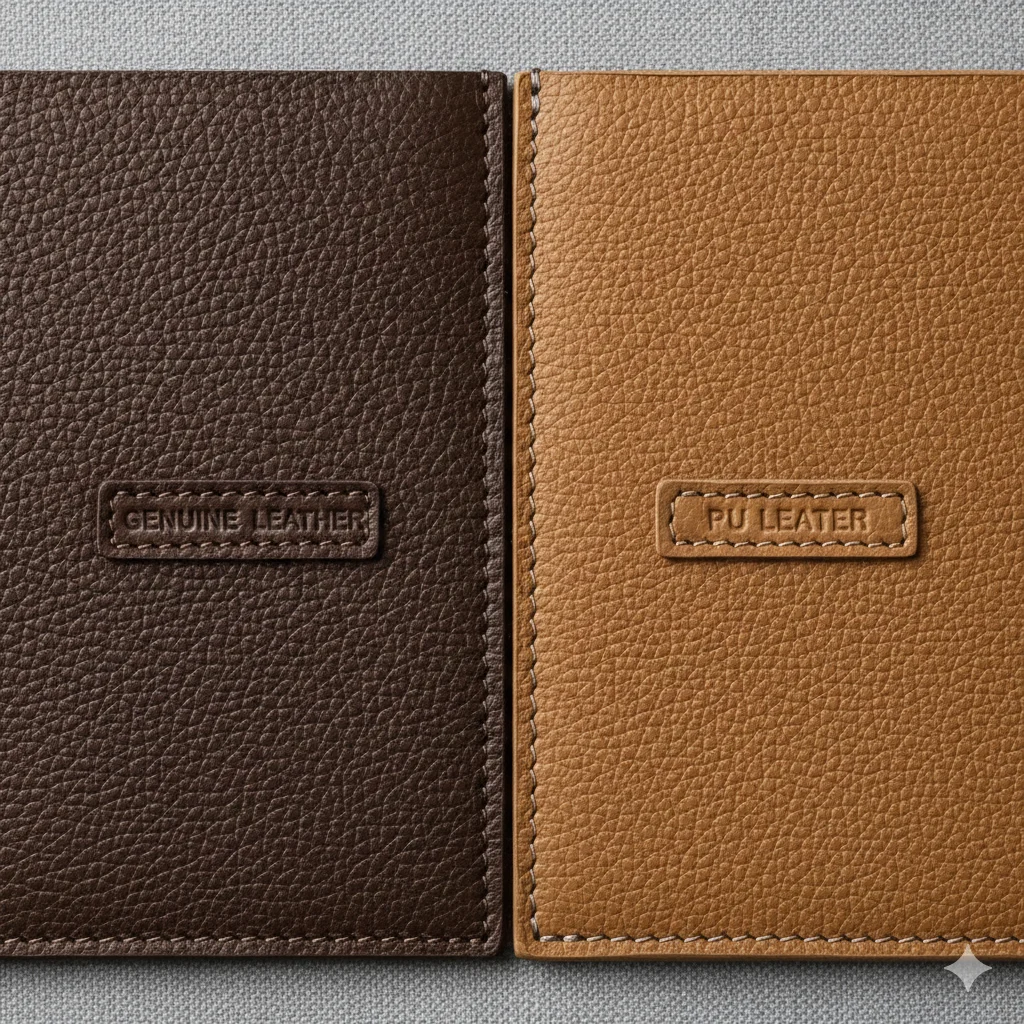
PU leather stands for Polyurethane Leather — a synthetic material made by coating a fabric base (usually polyester) with a layer of polyurethane to imitate real leather’s texture and appearance.
It’s not genuine animal leather; instead, it’s a vegan-friendly, affordable, and durable alternative commonly used in fashion, upholstery, and car interiors.
🪶 Origin and Popularity
PU leather first gained popularity in the mid-20th century when manufacturers began developing artificial leathers as a cheaper, cruelty-free alternative to natural hide.
- 1950s–1960s: Polyurethane coatings were first used in the textile industry.
- 1980s: PU leather became widespread in clothing and furniture manufacturing.
- 2000s–present: Marketed as “vegan leather”, PU leather surged in popularity thanks to sustainability trends and animal-rights awareness.
Today, PU leather is recognized worldwide as a practical and eco-conscious option for products that need the look of leather without the ethical or financial cost.
🧥 PU Leather Meaning in Different Contexts
The term PU leather appears across various industries, and its meaning can slightly differ depending on where it’s used.
👗 In Fashion
- Refers to synthetic leather used in jackets, handbags, and shoes.
- Offers a sleek, glossy finish and lower cost than genuine leather.
- Commonly labeled as “faux leather” or “vegan leather.”
Example: “This PU leather jacket looks like real leather but costs half the price.”
🛋️ In Furniture
- Used for sofas, chairs, and car seats for an elegant look.
- Easy to clean, waterproof, and resistant to stains.
Example: “PU leather couches are perfect for families — stylish yet practical.”
🚗 In Automotive Interiors
- Provides a luxurious leather-like texture for car seats and steering wheels.
- Chosen for being affordable and easy to maintain.
| Context | Usage of PU Leather | Main Benefit |
| Fashion | Jackets, handbags, shoes | Affordable & animal-free |
| Furniture | Sofas, office chairs | Durable & easy to clean |
| Automotive | Car seats, interiors | Cost-effective luxury feel |
🧵 Examples of PU Leather in Real Life
Example 1:
Store Tag: “Made with high-quality PU leather for a smooth, premium finish.”
Example 2:
Online Review: “The PU leather upholstery feels soft and looks expensive.”
Example 3:
Product Description: “Crafted from 100% PU leather — eco-friendly, cruelty-free, and easy to clean.”
Example 4 (comparison):
“Unlike genuine leather, PU leather doesn’t crack easily and is resistant to water.”
🔍 Similar or Related Terms
Here are a few related materials and terms often confused with PU leather:
| Term | Meaning | Difference from PU Leather |
| PVC Leather | Made with polyvinyl chloride coating | Thicker and less breathable |
| Vegan Leather | Generic term for non-animal leathers | PU leather is one type |
| Bonded Leather | Made from scraps of real leather mixed with polyurethane | Contains partial real leather |
| Faux Leather | General term for imitation leather | Includes PU and PVC varieties |
These materials differ in texture, durability, and environmental impact — but all serve as alternatives to animal-based leather.
🧠 How to Use “PU Leather” Correctly
✅ Use it when describingsynthetic leather materials in product descriptions or conversations about fashion and upholstery.
✅ Say “PU leather” when referring to synthetic leather made with polyurethane.
✅ Highlight its benefits — affordable, cruelty-free, and versatile.
❌ Don’t use it interchangeably with real or bonded leather — they’re chemically and texturally different.
❌ Avoid assuming all PU leather is eco-friendly; it’s synthetic and not biodegradable.
⚠️ Common Mistakes or Misinterpretations
- “PU leather is real leather.”
→ False. It’s synthetic leather made from plastic polymers. - “All faux leather is PU leather.”
→ Incorrect. Faux leather can be made from PVC, microfiber, or other materials. - “PU leather lasts as long as genuine leather.”
→ Not always. PU leather can peel or crack over time, especially with heavy use or sun exposure. - “PU leather is completely eco-friendly.”
→ Partly true. It’s cruelty-free but still made with non-biodegradable materials.
❓ FAQ Section
1. What does PU leather mean in products?
PU leather means polyurethane leather, a synthetic alternative to animal leather made by coating fabric with plastic polymers for a similar look and feel.
2. Is PU leather real or fake?
PU leather is fake (imitation) leather — it mimics the appearance of real leather but is made entirely from artificial materials.
3. Is PU leather durable?
Yes, PU leather is reasonably durable, water-resistant, and easy to clean. However, it may not age or stretch like genuine leather.
4. How to clean PU leather?
Simply wipe with a damp cloth and mild soap. Avoid harsh chemicals or direct sunlight to prevent cracking or peeling.
5. Is PU leather safe for pets or vegans?
Yes! It’s cruelty-free and animal-friendly, making it a great option for vegan consumers.
6. What’s the difference between PU and PVC leather?
PU leather is softer, more flexible, and breathable, while PVC leather is thicker and more rigid.
🪄 Conclusion
In short, PU leather (Polyurethane Leather) is a synthetic, vegan-friendly material designed to replicate the texture and appearance of real leather.
It’s affordable, stylish, and easy to maintain — perfect for fashion, furniture, and automotive use.
Just remember: while PU leather offers comfort and cost-efficiency, it doesn’t have the natural durability or biodegradability of genuine leather.
✨ Now that you know what PU leather means, you’ll recognize it instantly when shopping — and make smarter, more sustainable choices next time!

Patrick Gale is a word-meaning expert at Meanovia.com. He explains complex terms, definitions, and language trends with clarity and precision. His goal is to help readers understand the exact meaning behind every word they search.