

Have you ever noticed someone who is always free, avoids responsibility, and lets others do the hard work? In everyday English, there’s a word for such a person—idler.
Quick answer: An idler is someone who chooses not to work or stays inactive even when work is available.
An idler may waste time, delay tasks, or depend on others instead of making an effort. The word is usually negative and is often used in schools, workplaces, and daily conversations to describe laziness or lack of motivation.
In 2026, the meaning of idler is still very relevant, especially in discussions about productivity, discipline, and personal growth. Students, bloggers, and English learners search this term to understand its exact meaning, tone, and correct usage.
Next, let’s explore real-life examples of an idler, common synonyms, and how to use this word naturally in sentences.
💡 What Does Idler Mean?
An “idler” is a person who avoids work, spends time doing nothing, or is habitually lazy.
It’s a noun, commonly used to describe someone who prefers idling (being inactive) instead of being productive.
Example:
“He’s such an idler — always finding excuses to skip his duties.”
The singular form idler refers to one person or component, while idlers is the plural form.
Learners often ask what are idlers or what does idlers mean, especially in technical contexts where multiple idlers may be used in one system.
🕰️ Origin and Popularity
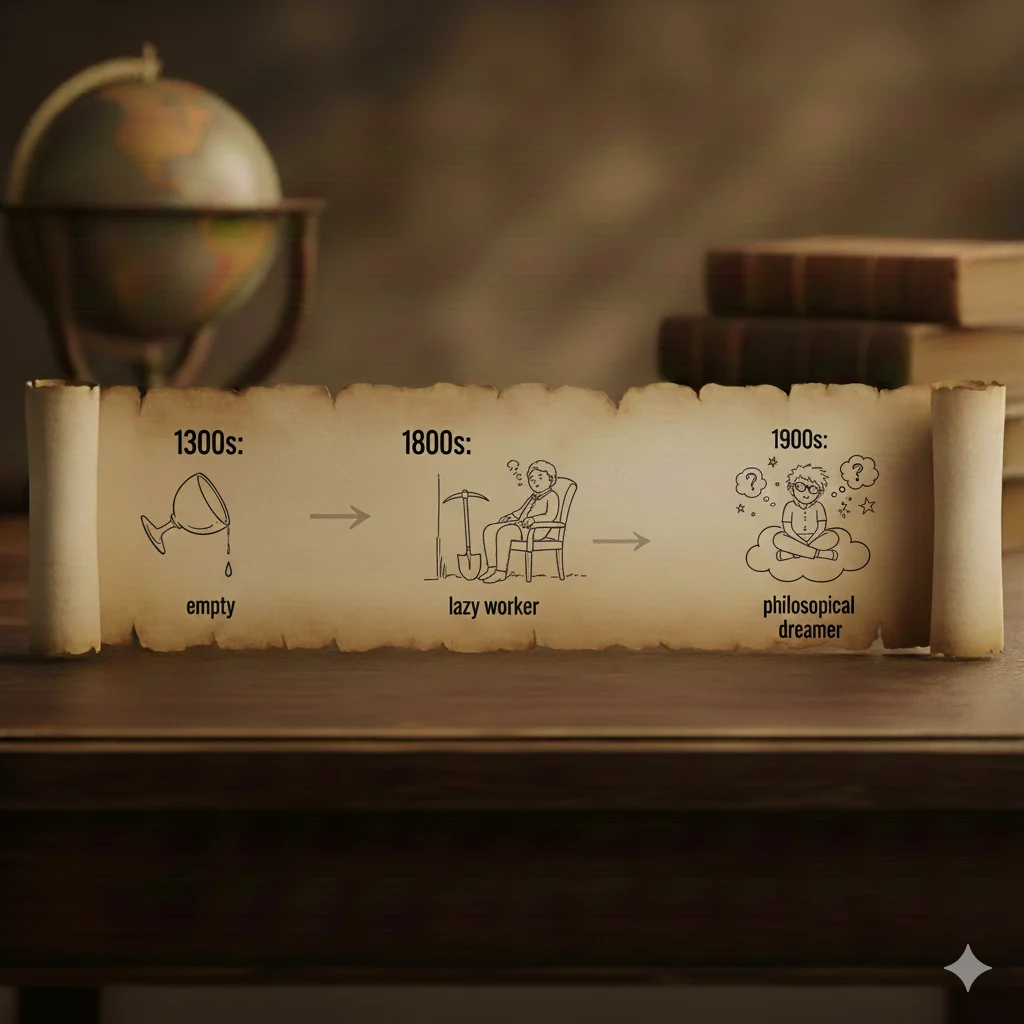
The word idler dates back to the 14th century, coming from the Middle English word idel, meaning “empty” or “lazy.” The suffix -er turns it into a noun, referring to a person who idles.
It became widely used during the Industrial Revolution (18th–19th centuries), when productivity was valued highly, and “idlers” were criticized for wasting time.
Later, in literature and philosophy, the term also gained a more neutral tone — sometimes describing people who reflect, dream, or observe rather than constantly labor.
🌍 Idler Meaning in Different Contexts
🗣️ In Everyday Conversation
In casual speech, idler simply means someone who’s lazy or inactive.
“Stop being an idler and help with the chores!”
🏭 In Business or Workplaces
In professional settings, being called an idler implies lack of motivation or effort.
“The manager warned idlers to improve their performance.”
⚙️ In Machinery or Engineering
Interestingly, in mechanical terms, an idler refers to a wheel or gear that transmits motion without producing power.
“The idler gear ensures smooth rotation between the two main gears.”
| Context | Meaning of ‘Idler’ | Tone/Use |
| Everyday speech | Lazy or inactive person | Negative |
| Business/Work | Unproductive worker | Negative |
| Engineering | Gear that redirects motion | Neutral/Technical |
| Literature/Philosophy | A contemplative or reflective person | Neutral/Positive |
Idler Meaning in English
In simple English, the word idler describes a person who avoids work or remains inactive even when tasks are available.
Many learners ask what is idler or what does idler mean, and the answer depends on context. In daily language, it often carries a negative tone, while in technical fields it can be neutral.
Idler Meaning in Machinery and Engineering
In engineering, the meaning of idler is very different from everyday usage. Here, an idler refers to a mechanical component that supports, guides, or redirects motion without generating power.
Idler Gear Meaning
An idler gear is placed between two gears to transfer motion or change rotation direction without affecting speed.
Idler Wheel and Idler Pulley Meaning
An idler wheel or idler pulley helps guide belts or chains and maintain proper tension in machines and vehicles.
Troughing Idler Meaning (Conveyor Systems)
A troughing idler is a set of rollers used in conveyor belts to support bulk materials and form a trough shape.
Idler Meaning in Car and Automotive Systems
In cars, an idler usually refers to an idler pulley that guides the engine belt and maintains tension. Although it doesn’t power the engine, it plays a critical role in smooth operation.
💬 Examples of ‘Idler’ in Conversations
Example 1 (Casual):
Friend 1: What did you do all weekend?
Friend 2: Honestly, nothing — just being an idler. 😅
Example 2 (Workplace):
Boss: “We can’t afford any idlers on the team during this busy season.”
Example 3 (Philosophical):
“In a fast-paced world, a true idler enjoys the beauty of slowing down.”
UNC Meaning: The Secret Uses You Didn’t Know
🔍 Similar or Related Terms
Here are some related or semantically similar words to idler:
| Word | Meaning | Difference from ‘Idler’ |
| Loafer | Someone who avoids work | More casual/informal |
| Slacker | One who neglects duties | Modern slang term |
| Laggard | A person who is slow to act or respond | Emphasizes slowness |
| Procrastinator | Someone who delays tasks | Focuses on postponement |
| Dreamer | Someone lost in imagination | Can be positive |
✅ How to Use ‘Idler’ Correctly
Do’s:
- ✅ Use idler when describing someone habitually inactive or lazy.
- ✅ Use it in technical or literary contexts to sound precise or formal.
Don’ts:
- ❌ Don’t confuse idler with idle time (which means free time, not a person).
- ❌ Don’t use it casually as a compliment — it’s often mildly insulting.
Example:
✅ “The factory’s idler wheel controls belt tension.”
❌ “He’s such an idler; it’s cute.” (Incorrect — the word has negative connotations.)
⚠️ Common Mistakes or Misinterpretations
- Mistake: Thinking idler always means lazy.
→ In engineering, it’s not negative — it’s a technical term. - Mistake: Using idler to describe an object other than a person or gear.
→ Grammatically incorrect; it should refer to a person or machine part. - Mistake: Mixing up idler and idle.
→ Idle is an adjective (e.g., “an idle mind”), while idler is a noun (e.g., “an idler wastes time”).
❓ FAQ Section
1. What does ‘idler’ mean in simple terms?
An idler is a person who avoids work, does very little, or prefers to stay inactive. It can also mean a mechanical part that helps transfer motion.
2. Is calling someone an ‘idler’ rude?
Usually, yes — it implies laziness or lack of productivity. However, in certain literary or philosophical contexts, it can sound neutral or reflective.
3. Is ‘idler’ slang or formal?
It’s a formal English noun, not slang. You’ll find it in literature, workplaces, or technical manuals rather than in text messages.
4. What’s the difference between ‘idler’ and ‘lazy’?
Lazy is an adjective describing someone’s behavior; idler is a noun referring to the person themselves.
5. Can ‘idler’ be used positively?
Rarely, but yes — some writers use it to describe someone who values relaxation, mindfulness, or reflection.
6. What’s an idler gear?
It’s a gear used in machinery to connect two other gears and transmit motion without changing speed or direction.
🏁 Conclusion
To sum it up, idler means a person who is habitually lazy or inactive — or, in mechanics, a part that redirects motion. The term has evolved from a negative moral label to a more nuanced word describing both laziness and leisure.
Whether you’re using it to describe a relaxed dreamer or a mechanical wheel, understanding the idler meaning helps you use the word precisely and confidently.
Now that you know what idler really means, you’ll never misuse it again! Keep exploring our site for more English word meanings and fascinating language insights. 💬✨

Jon McGregor is a language and word-meaning expert at Meanovia.com. He specializes in explaining complex words, phrases, and modern language trends in a clear, approachable style. His mission is to help readers quickly grasp the true meaning behind every term, making language learning and understanding effortless and engaging.