
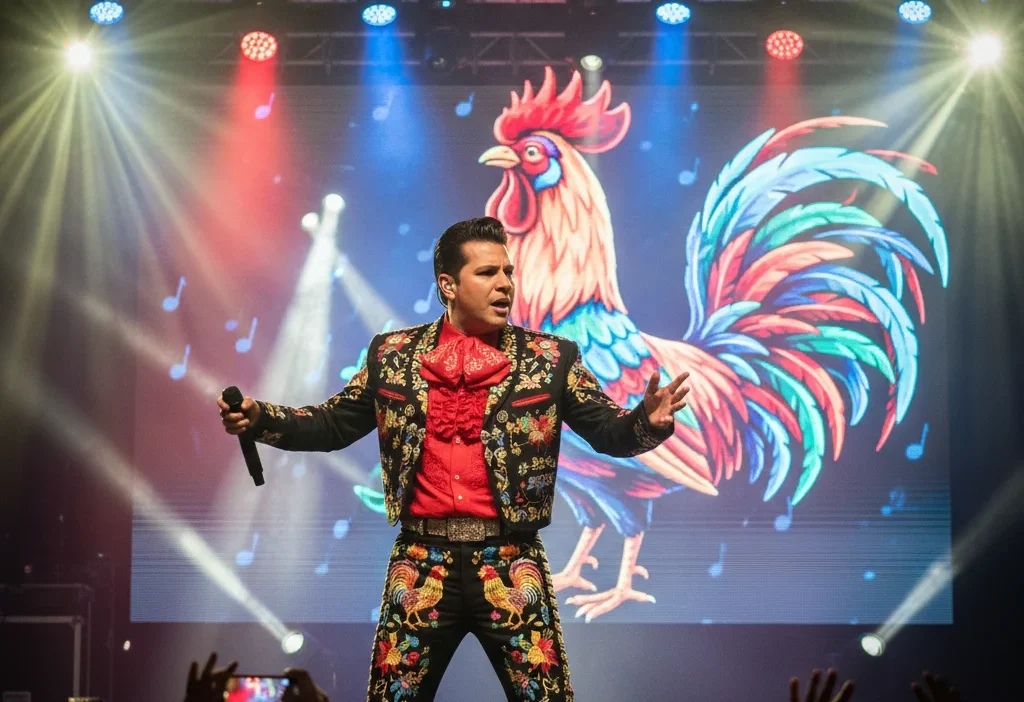
Ever heard someone mention “El Gallo” in a song, conversation, or online and wondered what it really means? 🤔 You’re not alone! The phrase “El Gallo” appears across music, sports, movies, and even nicknames — but its meaning changes depending on the context.
In this guide, we’ll explain everything you need to know about El Gallo, including:
✅ Its definition and translation
📜 The origin and cultural background
💬 How it’s used in different contexts
🎶 Real-life examples from songs and conversations
📖 Related terms and FAQs
By the end, you’ll understand why “El Gallo” is much more than just “the rooster.”
🐓 What Does El Gallo Mean?
“El Gallo” literally means “The Rooster” in Spanish. 🐔
It’s a Spanish noun phrase — “el” means “the” and “gallo” means “rooster.” However, its usage goes beyond the animal itself. In Latin American culture, El Gallo can symbolize bravery, pride, masculinity, or leadership.
Example:
“They call him El Gallo because he’s fearless and loud.”
🕰️ Origin and Popularity
The term El Gallo originates from Spanish and Latin American traditions, where roosters symbolize strength, courage, and confidence.
- In Mexican culture, El Gallo has deep roots in ranchera music, bullfighting, and cockfighting — symbolizing a man’s boldness or fighting spirit.
- By the 20th century, the phrase became popular in songs, nicknames, and sports, especially among Mexican and Spanish-speaking communities.
It gained international attention through famous figures such as:
- 🎤 El Gallo de Oro (The Golden Rooster) – nickname of several popular singers.
- 🥊 El Gallo – a common ring name for boxers known for their courage and style.

🌎 El Gallo Meaning in Different Contexts
🎶 In Music
In Latin music, “El Gallo” often appears in rancheras, corridos, and reggaeton, representing a strong, confident man.
“Soy el gallo del rancho” means “I’m the rooster of the ranch” — a boastful, proud phrase.
🥊 In Sports or Nicknames
Athletes, especially fighters, use El Gallo as a nickname to highlight their boldness, energy, or fighting spirit.
Example: “Juan ‘El Gallo’ Rivera” could be a boxer known for his courage.
🧑🤝🧑 In Everyday Language
In casual speech, calling someone El Gallo can mean they’re assertive, brave, or stand out in a crowd.
“He’s the gallo of the group — always leading the charge.”
🐔 Literal Meaning
Of course, it still literally means “the rooster.”
“El gallo canta al amanecer” → “The rooster crows at dawn.”
| Context | Meaning of El Gallo | Tone / Usage |
| Literal | The rooster (animal) | Neutral |
| Music | Symbol of pride, strength | Positive |
| Sports | Nickname for a brave competitor | Proud |
| Everyday speech | Confident or loud person | Playful / Respectful |
💬 Examples of “El Gallo” in Conversations
Example 1 (Casual):
Friend 1: Why do they call Carlos El Gallo?
Friend 2: Because he’s always showing off his confidence — just like a rooster! 🐓
Example 2 (Music):
“El Gallo canta fuerte porque nunca teme a nadie.”
(“The rooster sings loudly because he fears no one.”)
Example 3 (Sports):
Commentator: “And here comes El Gallo! The crowd loves his fearless energy!”
🔄 Similar or Related Terms
Here are some phrases often connected with El Gallo and their meanings 👇
| Term | Translation | Meaning / Context |
| El Toro | The Bull | Represents strength and aggression |
| El León | The Lion | Symbol of leadership and courage |
| El Gallo de Oro | The Golden Rooster | A title of honor or fame |
| El Macho | The Man / The Brave One | Highlights masculine pride |
These symbolic nicknames share a theme of pride, power, and cultural identity.
🧭 How to Use “El Gallo” Correctly
✅ Do’s:
- Use El Gallo as a nickname for someone bold or charismatic.
- Use it in cultural or musical contexts to describe confidence or pride.
- Capitalize both words when it’s a title or name (e.g., El Gallo de Oro).
❌ Don’ts:
- Don’t use El Gallo mockingly — it’s often a term of respect or admiration.
- Avoid using it literally when the context refers to a personality trait or nickname.
Example:
✅ “They call him El Gallo for his fearless attitude.”
❌ “She’s the gallo of the team.” (Use masculine/feminine correctly — “la gallina” is feminine form.)
⚠️ Common Mistakes or Misinterpretations
- Confusing “El Gallo” with “La Gallina”
→ El Gallo = male rooster 🐓 | La Gallina = female hen 🐔 - Assuming it’s always literal
→ In many contexts, El Gallo symbolizes confidence or pride, not just the bird. - Using it without understanding cultural nuance
→ In Latin cultures, it carries strong symbolic meaning — it’s not just slang!
❓ FAQ Section
1. What does “El Gallo” mean in English?
“El Gallo” means “The Rooster.” It can refer to the animal or symbolize someone brave, confident, or proud in Spanish-speaking cultures.
2. Is “El Gallo” slang or formal?
It’s not slang but a cultural phrase often used informally as a nickname or title of respect.
3. Why do people call someone “El Gallo”?
Because they act boldly or confidently, just like a rooster that stands tall and leads.
4. What does “El Gallo de Oro” mean?
It means “The Golden Rooster.” This nickname represents excellence, pride, and fame, especially for singers or athletes.
5. Is “El Gallo” used in songs?
Yes! It’s widely used in Mexican music, corridos, and Latin ballads to symbolize masculinity, pride, and strength.
6. Can women be called “El Gallo”?
Not usually. The feminine version is “La Gallina”, but symbolically, people might still use El Gallo for women with bold personalities.
🏁 Conclusion
To sum it up, “El Gallo” means “The Rooster” in Spanish, but its cultural power goes far beyond that. Across Latin America and Spain, El Gallo symbolizes courage, confidence, and leadership — qualities admired in men and women alike.
Whether it’s in music, sports, or everyday life, being called El Gallo is often a mark of respect and strength.
Now that you know the true El Gallo meaning, you’ll recognize it instantly in songs, nicknames, and conversations! Keep exploring more cultural and language insights on our site. 🌎🐓🎶