

Have you ever heard someone described as benevolent and wondered what it truly means? 🤔 It’s one of those elegant words that instantly makes a person sound kind-hearted and noble — but what does benevolent actually stand for?
In this guide, we’ll explore everything you need to know about the word benevolent, including:
✅ Its definition and meaning
📜 The origin and history behind it
💬 How it’s used in different contexts
🗣️ Real-life examples and sentences
🔤 Related words and common mistakes
By the end, you’ll fully understand how to use benevolent correctly — whether in writing, conversation, or even professional settings.
💡 What Does Benevolent Mean?
“Benevolent” means showing kindness, goodwill, or a desire to help others.
It’s an adjective used to describe people, actions, or organizations that are generous and caring in nature.
Example:
“She’s known for her benevolent nature — always helping those in need.”
🕰️ Origin and Popularity
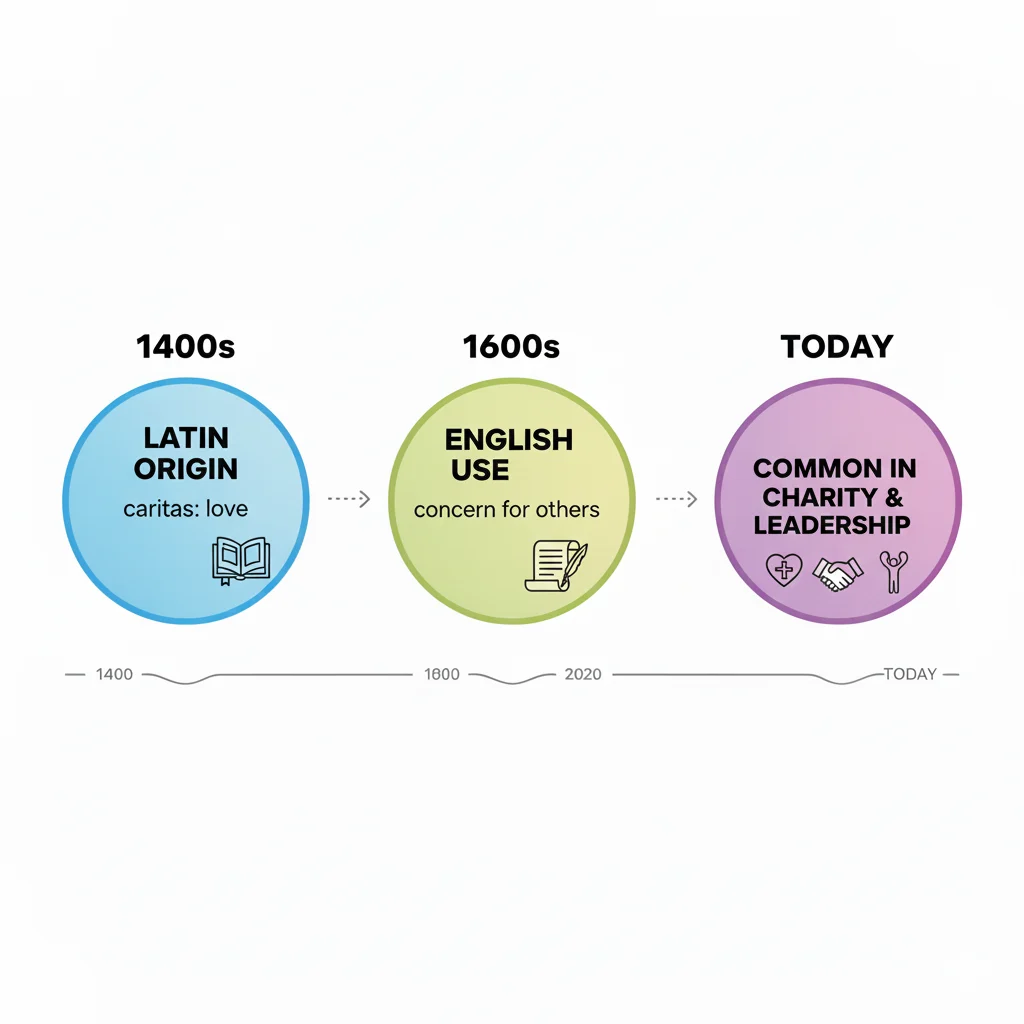
The word benevolent originates from Latin, combining bene (meaning “good”) and volent (meaning “wishing” or “willing”). Together, they form “bene volens,” which literally means “wishing good.”
It entered the English language in the 15th century, used to describe kind rulers, generous acts, and moral goodness. Over time, benevolent became a widely respected term used in literature, religion, and modern organizations — like “benevolent societies” or “benevolent leaders.”
🌍 Benevolent Meaning in Different Contexts
In Everyday Conversation:
Used to describe someone who’s kind, compassionate, or generous.
“He’s a benevolent friend who always checks in on everyone.”
In Business or Leadership:
Refers to leaders who care about their employees’ well-being and act ethically.
“Her benevolent leadership style made the company a great place to work.”
In Religion or Philosophy:
Describes divine kindness or moral goodness.
“Many religions teach that God is benevolent and just.”
| Context | Meaning of ‘Benevolent’ | Example |
| Everyday Life | Kind and generous | “A benevolent neighbor offered to help.” |
| Business | Caring, ethical leadership | “He’s known for his benevolent management.” |
| Religion | Loving and merciful | “A benevolent deity watches over humanity.” |
🗣️ Examples of ‘Benevolent’ in Conversations
Example 1:
Friend 1: She donated half her salary to charity!
Friend 2: Wow, that’s such a benevolent thing to do.
Example 2:
Teacher: Our principal’s benevolent attitude inspires everyone to do better.
Example 3 (Formal):
“The organization’s benevolent mission focuses on education and equality.”
🔤 Similar or Related Terms
Here are a few words often associated with benevolent:
| Word | Meaning | Difference from ‘Benevolent’ |
| Generous | Giving freely or sharing with others | Focuses more on giving than overall kindness |
| Kind-hearted | Having a naturally kind personality | More emotional and personal |
| Philanthropic | Charitable, often through donations | Usually linked to wealth or charity work |
| Compassionate | Feeling empathy for others | Focuses on emotional understanding rather than goodwill |
✅ How to Use ‘Benevolent’ Correctly
Do’s:
- ✅ Use benevolent to describe people, actions, or leaders who are genuinely kind and caring.
- ✅ Use it in both formal and casual settings.
Don’ts:
- ❌ Don’t use it for fake or self-serving kindness — that’s pretentious, not benevolent.
- ❌ Don’t confuse it with beneficent (which focuses on doing good acts rather than being kind in nature).
Example:
✅ “The benevolent teacher stayed after school to help struggling students.”
❌ “His benevolent joke made everyone laugh.” (Humor isn’t about kindness.)
⚠️ Common Mistakes or Misinterpretations
- Confusing Benevolent with Benign
→ Benign means harmless or gentle; benevolent means kind or generous. - Thinking It’s Only for People
→ It can also describe actions, organizations, or even deities. - Assuming It’s Outdated
→ It’s still commonly used in modern writing and leadership discussions.
❓ FAQ Section
1. What does ‘benevolent’ mean in simple words?
It means being kind and wanting to do good things for others. A benevolent person is caring and generous.
2. Is ‘benevolent’ a positive word?
Yes! It’s a very positive word that describes goodness, compassion, and a genuine desire to help.
3. Is ‘benevolent’ slang or formal?
It’s a formal English word, often used in writing, speeches, and professional discussions.
4. What’s the difference between benevolent and beneficent?
Benevolent describes kind intent, while beneficent refers to performing kind deeds or actions.
5. Can you describe a person as benevolent?
Absolutely. You can say “She’s a benevolent person” to describe someone warm, generous, and caring.
6. When should you not use ‘benevolent’?
Avoid using it sarcastically or casually — it’s a word that conveys genuine kindness, not fake or exaggerated gestures.
🏁 Conclusion
To wrap it up, benevolent means kind-hearted, generous, and genuinely wishing good for others. 🌸
Rooted in Latin origins meaning “wishing well,” the word beautifully captures the essence of compassion and moral goodness.
Whether describing a charitable person, a thoughtful leader, or an organization that helps others — benevolent is a timeless word that celebrates empathy and goodness.
Now that you know the true benevolent meaning, you can use it confidently to describe genuine acts of kindness. Keep exploring our site for more insightful word meanings and language tips! 💬🌍✨

Evie Wyld is a word-meaning specialist at Meanovia.com. She simplifies complex words, phrases, and language trends, helping readers quickly grasp the exact meaning behind every term in a clear and approachable way.