Ever heard someone say “babushka” and wondered what it really means? 👵 Whether you’ve seen it in movies, fashion, or online slang, “babushka” carries different meanings depending on context.
In this article, we’ll break down:
- The definition of “babushka”
- Its origin and cultural background
- How it’s used in fashion, language, and pop culture
- Examples and related terms you might come across
🧐 What Does “Babushka” Mean?
“Babushka” means “grandmother” in Russian.
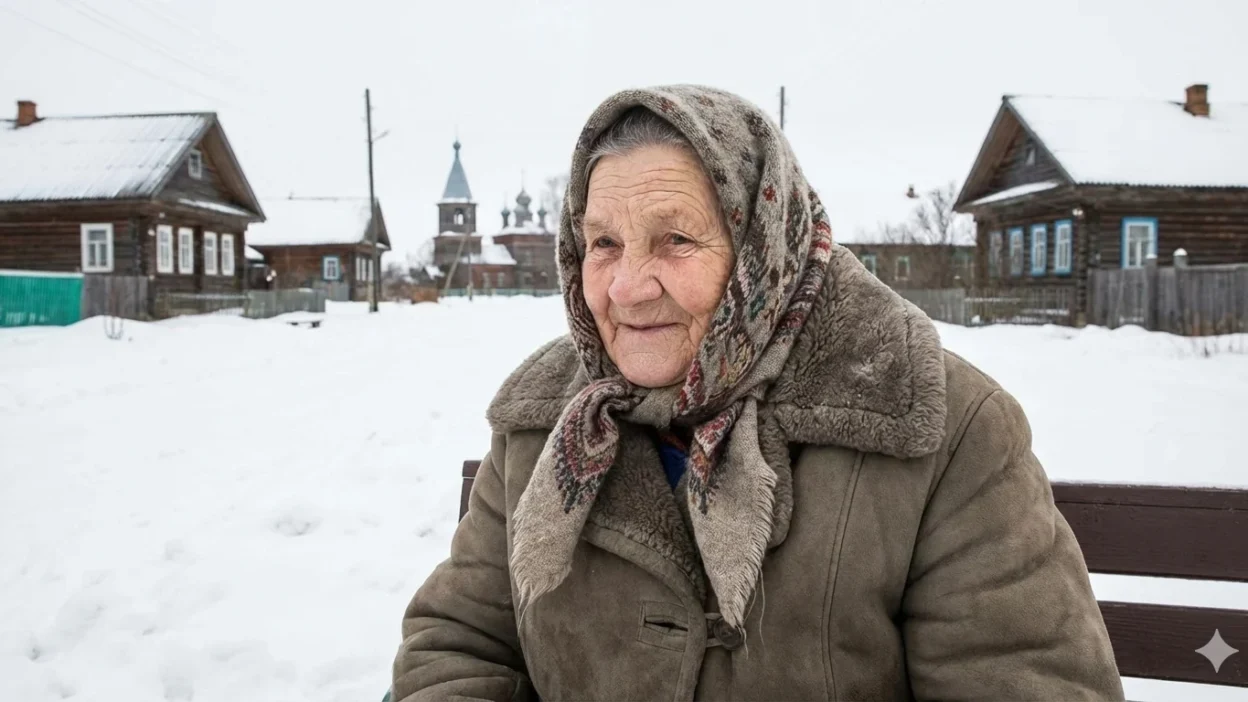
It’s used both literally—to refer to someone’s grandmother—and symbolically, to describe the traditional scarf worn by older women in Eastern Europe.
Depending on context, “babushka” can mean:
- A grandmother (literal translation)
- A scarf or head covering tied under the chin
- A fashion aesthetic inspired by Eastern European grandmothers
📜 Origin and Popularity
The word “babushka” (ба́бушка) comes from the Russian language, where it directly translates to “grandmother” or “old woman.”
🌍 Historical Background
In Slavic cultures, grandmothers traditionally wore headscarves tied under their chins—a style that became so iconic that the scarf itself started being called a “babushka.”
🎬 Pop Culture Influence
The term gained international recognition through:
- Movies & Literature: Often used to depict Russian or Eastern European characters.
- Fashion: Celebrities like A$AP Rocky and Queen Elizabeth II famously sported “babushka-style” scarves, reviving the term in modern culture.
- Internet Memes: The “babushka aesthetic” has become a trend on TikTok, celebrating cozy, vintage grandma fashion.

💬 Babushka Meaning in Different Contexts
🏠 In Everyday Speech
In Russian-speaking countries:
“My babushka makes the best borscht!”
Here, “babushka” simply means “grandmother.”
👒 In Fashion
“Babushka” can describe a headscarf tied under the chin, often worn stylishly by models or influencers.
Example: “She’s rocking the babushka look with her vintage scarf!”
🌐 On the Internet
Online, “babushka” is sometimes used humorously or affectionately:
“I’m turning into a babushka with my knitting and tea habit!”
🧑🎨 In Pop Culture & Music
When rapper A$AP Rocky wore a scarf in 2019 and called himself “babushka boy,” it sparked the viral “babushka look” trend worldwide.
| Context | Meaning | Example |
| Language | Grandmother | “I love visiting my babushka on weekends.” |
| Fashion | Scarf style | “Her outfit gives total babushka vibes.” |
| Slang | Cozy or grandma-like | “These blankets are pure babushka energy!” |
💬 Examples of “Babushka” in Conversations
Example 1 (Literal Use):
Anna: I’m visiting my babushka in Moscow this summer.
Lena: Aww, give her my love! ❤️
Example 2 (Fashion Use):
Sam: I love your scarf!
Maya: Thanks, it’s my babushka look today. 👒
Example 3 (Online Slang Use):
Tweet: “Just made soup and wore a shawl… full babushka mode activated.” 😂
🔤 Similar or Related Terms
Here are a few related or similar expressions:
| Term | Meaning | Usage |
| Grandma Core | A fashion aesthetic inspired by elderly women’s style | “I’m loving this grandma core outfit!” |
| Matryoshka | Russian nesting doll, often symbolizing traditional culture | “She collects matryoshka dolls from every trip.” |
| Nana / Granny | English equivalents of “babushka” | “My nana’s cookies are the best!” |
✅ How to Use “Babushka” Correctly
Do’s:
✅ Use “babushka” to refer to your grandmother if you’re speaking about Russian or Slavic culture.
✅ Describe a scarf style or fashion look as “babushka” when it’s tied under the chin.
✅ Use it playfully when describing a cozy, vintage vibe.
Don’ts:
❌ Don’t use “babushka” as an insult—it’s a term of affection and respect.
❌ Avoid using it out of cultural context in a mocking way.
⚠️ Common Mistakes or Misinterpretations
- ❌ Mistaking it for a specific scarf brand: “Babushka” isn’t a brand—it’s a cultural term.
- ❌ Assuming it’s only fashion-related: Its main meaning is “grandmother.”
- ❌ Using it inappropriately: Avoid calling someone “babushka” unless they embrace that identity affectionately or culturally.
❓ FAQ Section
1. What does “babushka” mean in English?
“Babushka” means “grandmother” in Russian. It’s also used to describe a headscarf style traditionally worn by older women in Eastern Europe.
2. Is “babushka” a slang word?
Not originally. It’s a standard Russian word, but it’s become slang in English-speaking culture to describe certain fashion styles or cozy “grandma vibes.”
3. What’s the difference between “babushka” and “matryoshka”?
“Babushka” means grandmother, while “matryoshka” refers to Russian nesting dolls often representing a mother or grandmother figure.
4. Can men wear a babushka?
Yes! In modern fashion, anyone can wear a “babushka-style” scarf. A$AP Rocky popularized the look among men with his “Babushka Boi” persona.
5. Where is the term “babushka” most used?
It’s widely used in Russia, Ukraine, Poland, and among global fashion and internet communities familiar with Eastern European culture.
6. When should you not use “babushka”?
Avoid using it mockingly or to stereotype older women. It’s best used affectionately or descriptively.
🧩 Conclusion
Now you know that “babushka” isn’t just a word—it’s a symbol of warmth, tradition, and timeless style. From a loving grandmother to a high-fashion headscarf, the term carries both cultural depth and modern charm.
So next time you see someone rocking that scarf look or mention their “babushka,” you’ll know exactly what it means! 🌷
Keep exploring our site for more slang meanings, cultural terms, and modern word origins — and stay linguistically stylish! 🧵

Patrick Gale is a word-meaning expert at Meanovia.com. He explains complex terms, definitions, and language trends with clarity and precision. His goal is to help readers understand the exact meaning behind every word they search.