

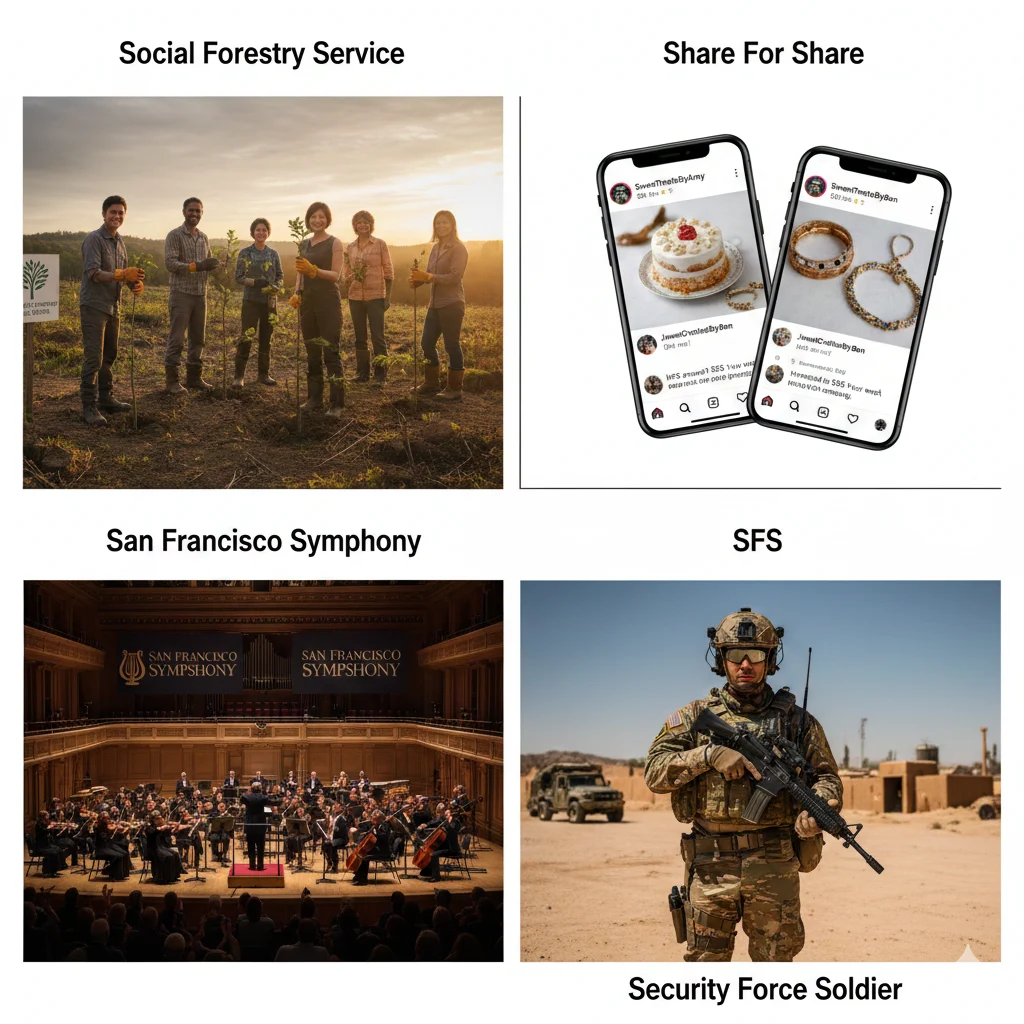
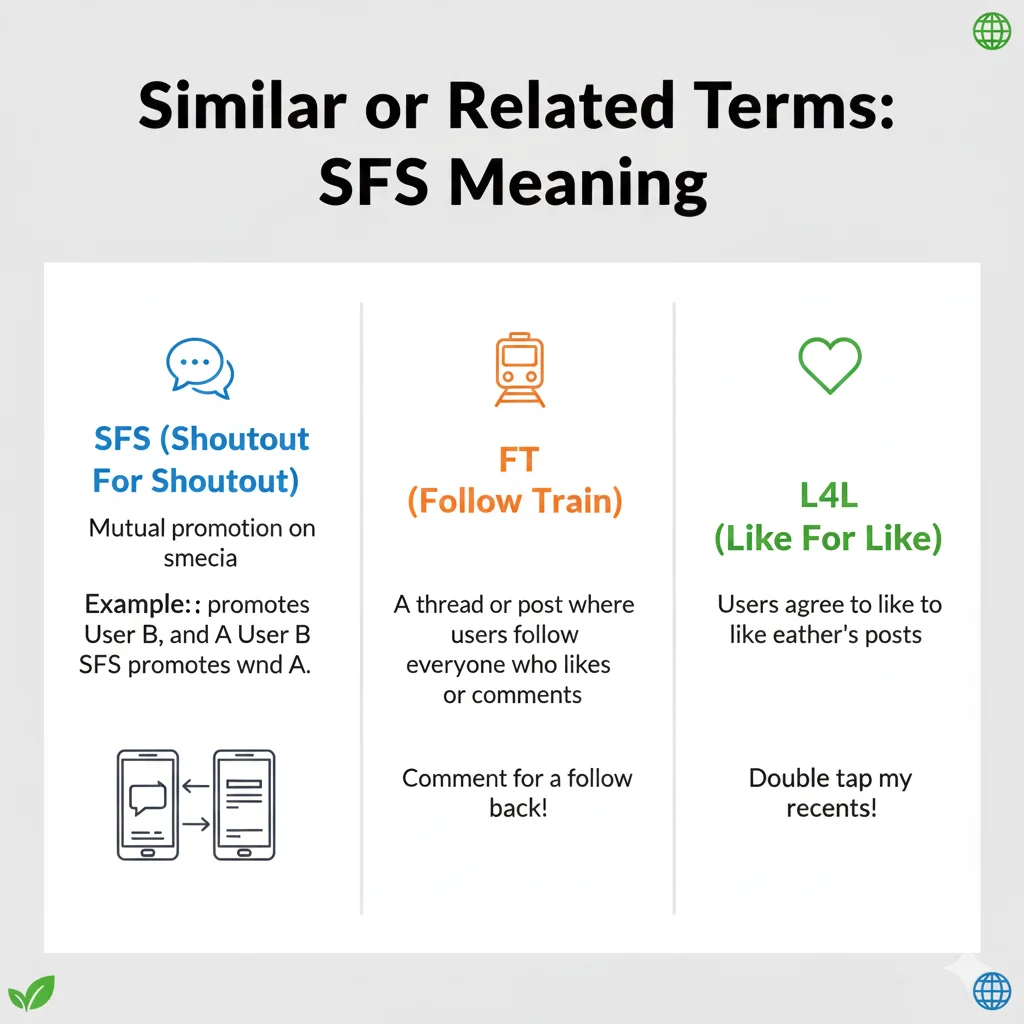
SFS is a popular social media abbreviation that stands for “Shoutout For Shoutout”. It’s commonly used on platforms like Instagram, TikTok, and Twitter to promote mutual support, where users agree to share each other’s profiles to gain followers and engagement.
Many people see SFS in posts or messages and wonder what it means or how to participate. Without knowing its purpose, it can be confusing, especially for new social media users. SFS is all about mutual promotion, helping users grow their following while building online connections.
Beyond just gaining followers, SFS can also strengthen community engagement and increase visibility in niche groups. Understanding SFS ensures you know how to participate properly and avoid misusing it
Learn more about SFS meaning, etiquette, and examples to grow your social media presence effectively
💬 What Does “SFS” Mean?
“SFS” stands for “Shoutout For Shoutout.”
It’s a popular social media slang used mainly on Snapchat, Instagram, and TikTok, where users promote each other’s accounts to gain followers or visibility.
In texting or DMs, “SFS” simply means:
“If you give me a shoutout, I’ll give you one back.”
🕰️ Origin and Popularity of “SFS”
The term “SFS” (Shoutout For Shoutout) began in the early 2010s, during the rise of Instagram influencer culture. Users, especially teenagers and small creators, started exchanging shoutouts to grow their audiences.
It quickly spread to Snapchat, where people used it in captions like “SFS?” or “Doing SFS — DM me 🔁.”
By the late 2010s, “SFS” became part of mainstream social media slang, especially among Gen Z and content creators seeking mutual promotion.
📊 Timeline Snapshot:
- 2012–2014: SFS starts on Instagram among influencers.
- 2015–2017: Gains traction on Snapchat stories.
- 2020s: Common across TikTok and even small businesses online.
🌐 SFS Meaning in Different Contexts
🟣 On Instagram
- Used in captions, comments, or stories like “SFS anyone?”
- Means you’ll post someone’s account on your story and expect them to do the same.
- Common among influencers, small businesses, and fan pages.
🟡 On Snapchat
- Usually appears in stories as “SFS?”
- Implies “add me and I’ll shout you out too.”
- Often includes screenshots of profiles or group shoutouts.
🔵 On TikTok
- Can mean cross-promotion in videos or bios.
- Some creators use “#SFS” in comments to invite mutual exposure.
💬 In Texting
- Less common, but may be used between friends meaning “Shoutout For Shoutout” or even “Snap For Snap.”
- Example: “Wanna do SFS tonight?” — meaning they’ll share each other’s Snap stories.
| Platform | Meaning of “SFS” | Example |
| Snapchat | Shoutout For Shoutout / Snap For Snap | “SFS? 🔁” |
| Shoutout For Shoutout | “DM for SFS!” | |
| TikTok | Share For Share / Shoutout For Shoutout | “#SFS to grow together” |
| Text | Snap For Snap | “SFS rn?” |
💬 Examples of “SFS” in Conversations
Example 1 — On Snapchat:
👤 Friend 1: SFS? 🔁
👤 Friend 2: Yeah, post me on your story and I’ll do the same!
Example 2 — On Instagram:
👤 User 1: Doing SFS all day! DM me 💥
👤 User 2: Sent you my tag 😎
Example 3 — Texting Between Friends:
👤 Ava: SFS tonight?
👤 Liam: Sure! Let’s get more followers 👏
💬 Formal Example (Business context):
“We’re collaborating with other small brands for an SFS campaign to increase reach.”
🔗 Similar or Related Terms
| Term | Meaning | Usage Example |
| WYO | What You On? | “WYO tonight?” |
| WYD | What You Doing? | “WYD rn?” |
| LMK | Let Me Know | “LMK if you’re down for SFS!” |
| TBH | To Be Honest | “TBH, that SFS worked!” |
| OOTD | Outfit Of The Day | “OOTD x SFS collab!” |
These are all part of the social media lingo often seen in stories, captions, and DMs.
✅ How to Use “SFS” Correctly
Do’s
✔ Use “SFS” when you want to promote or trade shoutouts.
✔ Keep it friendly and casual — ideal for peers or fellow creators.
✔ Always tag or mention the person you’re shouting out.
Don’ts
❌ Avoid using it in professional emails or formal chats.
❌ Don’t spam others with “SFS?” repeatedly — it can seem pushy.
❌ Don’t confuse it with unrelated acronyms (like “SFS” in business meaning “Software For Service”).
⚠️ Common Mistakes or Misinterpretations
- Mixing it up with “S4S”: “S4S” means the same thing — “Shoutout For Shoutout.” Some platforms prefer one form over the other.
- Thinking it’s formal: It’s purely slang, not business language.
- Assuming it means “Safe For School”: While that’s another possible meaning, on social media, “SFS” almost always means “Shoutout For Shoutout.”
❓ FAQ: SFS Meaning Explained
1. What does SFS mean in Snapchat?
On Snapchat, “SFS” means “Shoutout For Shoutout” or sometimes “Snap For Snap.” It’s used to ask someone to promote your profile in exchange for you promoting theirs.
2. Is SFS slang or formal?
“SFS” is definitely slang, mainly used on social media platforms like Snapchat, Instagram, and TikTok.
3. What’s the difference between SFS and S4S?
They both mean the same thing — “Shoutout For Shoutout.” “S4S” just replaces the “for” with the number 4.
4. How do you reply to SFS?
You can say “Sure!” or “Let’s do it 🔁” and then post a shoutout or snap of the person’s profile.
5. Where is SFS most used?
It’s most common on Snapchat and Instagram, especially among influencers, small creators, and fan accounts.
6. When should you not use SFS?
Avoid using it in formal conversations, emails, or when messaging people who don’t use social media slang frequently.
🏁 Conclusion
Now you know exactly what “SFS” means — “Shoutout For Shoutout.”
It’s a fun and effective way to grow your social media presence by helping others do the same. Whether on Snapchat, Instagram, or TikTok, “SFS” builds mutual engagement and connection in online communities.
So, the next time you see “SFS?” on someone’s story, you’ll know they’re inviting you to grow together. 🚀
✨ Now that you know what “SFS” means, you’ll never be confused again! Keep exploring our site for more internet slang and trending terms. 💬

Jon McGregor is a language and word-meaning expert at Meanovia.com. He specializes in explaining complex words, phrases, and modern language trends in a clear, approachable style. His mission is to help readers quickly grasp the true meaning behind every term, making language learning and understanding effortless and engaging.