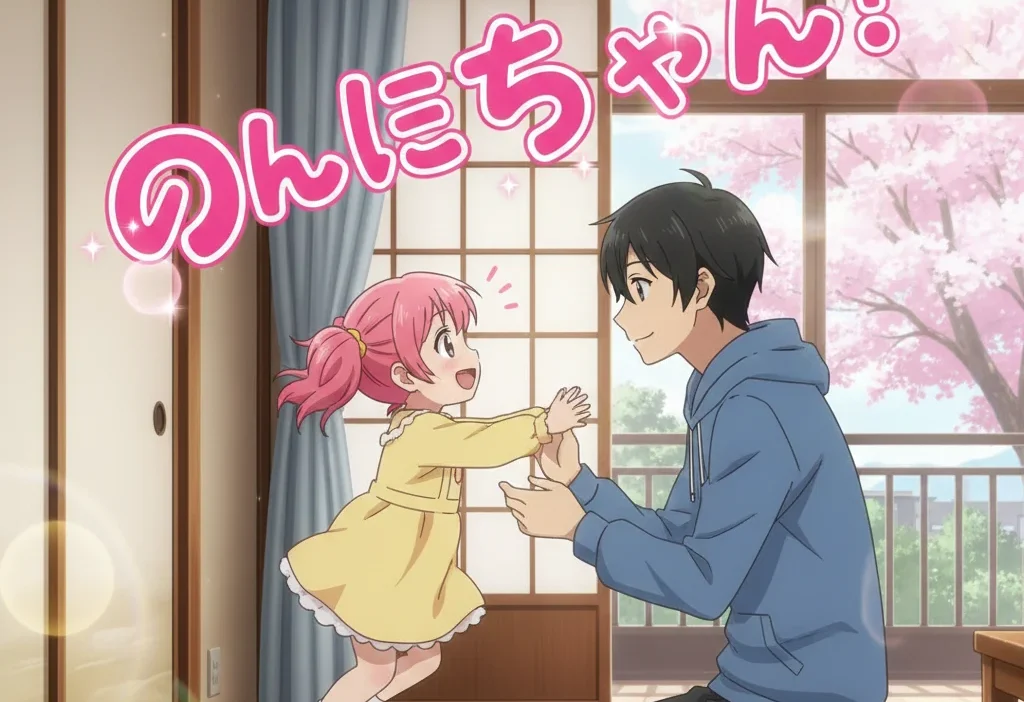
Onii-chan is a Japanese term that means “big brother”, used affectionately or playfully, especially in anime, manga, and Japanese culture.
People search for “onii-chan meaning” after hearing the word in anime, social media, or Japanese conversations and wanting a clear explanation. In Japanese, onii means older brother, while -chan is a cute, affectionate honorific.
Together, onii-chan expresses closeness, warmth, admiration, or teasing, usually spoken by a younger sibling or someone showing fondness.
Outside Japan, the term is often used casually or humorously by anime fans, sometimes losing its literal family meaning. Understanding onii-chan helps avoid confusion and explains why it’s commonly associated with cute, emotional, or light-hearted expressions in pop culture.
💬 What Does “Onii Chan” Mean?
“Onii-chan” (お兄ちゃん) is a Japanese term meaning “older brother.”
It’s an affectionate or casual way for someone (usually a younger sibling or close person) to address their older brother in Japanese.
While originally a family term, it’s become widely recognized worldwide through anime, manga, and Japanese pop culture.
🌸 Origin and Popularity
The word Onii-chan comes directly from the Japanese language:
- “Onii” (お兄) = older brother
- “Chan” (ちゃん) = a cute, informal honorific used to show affection
In Japan, honorifics like -san, -chan, and -kun express levels of respect, familiarity, and emotional closeness.
Thus, “Onii-chan” literally translates to “dear older brother” or “big brother (said lovingly).”
📺 How It Became Popular:
- 1980s–1990s: Commonly used in Japanese households and anime dialogue.
- 2000s: Spread globally through anime subtitles and fan communities.
- 2010s–2020s: Became a viral meme phrase on TikTok, YouTube, and Reddit due to its cute or exaggerated pronunciation in anime scenes.
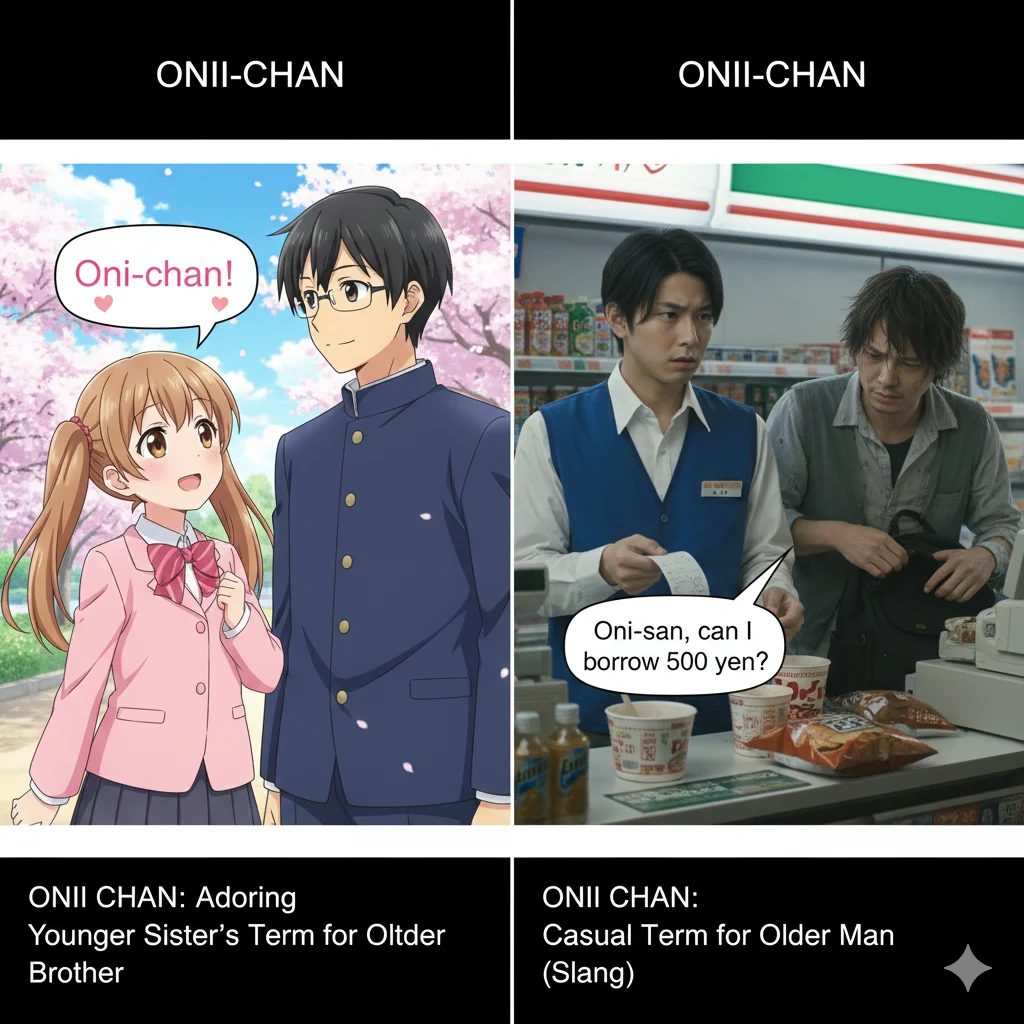
🌏 “Onii Chan” Meaning in Different Contexts
The meaning of “Onii-chan” can change depending on who says it, how it’s said, and the context — whether in daily life, anime, or online culture.
Here’s a breakdown 👇
🏠 In Japanese Families
Used affectionately by a younger sibling (especially a sister) to call her older brother.
Example: “Onii-chan, can you help me with my homework?”
Tone: Warm, natural, and family-friendly.
🎬 In Anime or Manga
Used by characters to show affection, closeness, or even admiration toward an older male figure — sometimes biological, sometimes symbolic.
Example: A younger sister character might call her older brother “Onii-chan!” in an emotional or dramatic moment.
Tone: Emotional or endearing, sometimes exaggerated for storytelling.
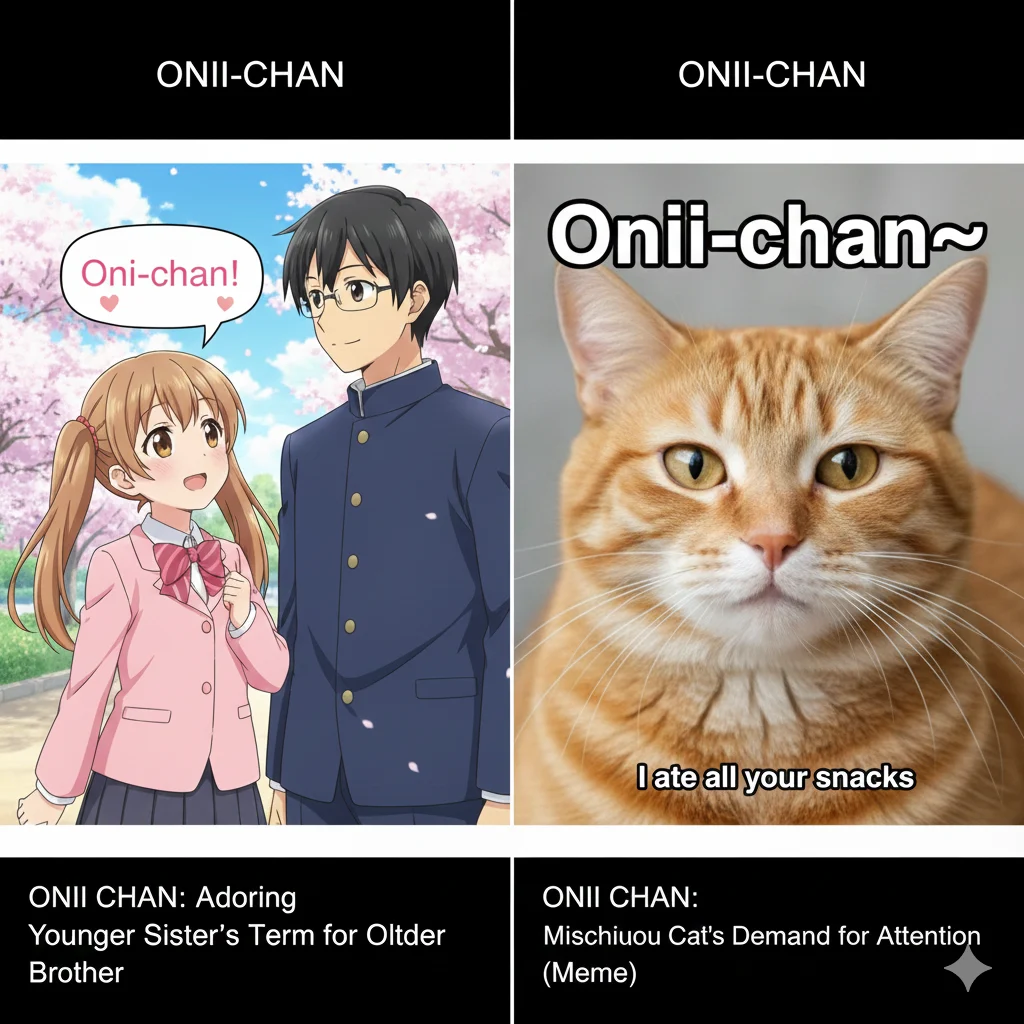
💻 In Internet or Meme Culture
“Onii-chan” has become a popular meme phrase, often mimicking the way anime characters say it with high-pitched voices or comedic exaggeration.
Example: Used in fan art, TikTok audios, or memes referencing anime characters or sibling-like affection.
Tone: Playful, humorous, or ironic.
| Context | Meaning | Tone |
| Family / Real Life | Older brother | Affectionate, genuine |
| Anime / Manga | Brother or older male figure | Cute, emotional |
| Internet / Meme | Anime-style joke | Playful, ironic |
💬 Examples of “Onii Chan” in Conversations
Example 1 (Japanese family):
Girl: Onii-chan, I made your lunch!
Boy: Thanks, that’s so thoughtful!
Example 2 (Anime context):
Character A: Don’t go!
Character B: I’ll be back soon, Onii-chan.
Example 3 (Meme or text):
Friend 1: Why did you call him that?
Friend 2: Haha, just kidding — “Onii-chan~” 😅
Example 4 (Playful social media caption):
“My brother brought snacks — thanks, Onii-chan 😂🍡”
🔤 Similar or Related Terms
Here are some other Japanese sibling and family terms commonly seen in anime and online:
| Term | Meaning | Usage Context |
| Onii-san (お兄さん) | Older brother (polite form) | Respectful tone |
| Onii-sama (お兄様) | Older brother (very formal) | Used by refined or elegant characters |
| Onee-chan (お姉ちゃん) | Older sister (affectionate) | Common in anime and families |
| Senpai (先輩) | Senior, upperclassman | Used in school or workplace settings |
| Kouhai (後輩) | Junior, underclassman | Opposite of senpai |
✅ How to Use “Onii Chan” Correctly
Do’s:
✅ Use “Onii-chan” when referring affectionately to an older brother or older male figure you’re close to.
✅ Use it in anime discussions, fan art, or cosplay captions playfully.
✅ Recognize it as a Japanese cultural term, not just a meme.
Don’ts:
❌ Don’t use it with strangers or in professional settings.
❌ Avoid saying it mockingly to Japanese speakers — it can sound disrespectful.
❌ Don’t confuse it with romantic terms; it’s primarily familial or friendly.
⚠️ Common Mistakes or Misinterpretations
- Thinking it’s a romantic term:
→ Truth: “Onii-chan” means “older brother,” not “boyfriend.” - Spelling variations:
→ People often write it as “onii chan,” “oni chan,” or “onichan” — but the correct Japanese form is お兄ちゃん (Onii-chan). - Using it sarcastically online:
→ While fine in memes, avoid it in formal or cultural discussions — it can seem mocking. - Assuming it’s anime-only:
→ It’s an actual Japanese word used daily in families, not just a fictional term.
❓ FAQ Section
1. What does “Onii-chan” mean in Japanese?
It literally means “older brother.” It’s an affectionate way to address your brother in Japanese, commonly used by younger siblings.
2. Is “Onii-chan” a slang or formal word?
It’s not slang — it’s a casual, affectionate family term. Formal versions include Onii-san or Onii-sama.
3. Why do anime characters say “Onii-chan” so often?
It adds emotional depth and shows closeness or cuteness between characters. Anime often exaggerates the tone for dramatic or comedic effect.
4. Is “Onii-chan” used by boys or girls?
Typically by younger sisters, but younger brothers can also use it casually in families.
5. What’s the difference between “Onii-chan” and “Onii-san”?
Onii-chan = cute and affectionate.
Onii-san = polite and neutral.
The difference lies in tone and relationship closeness.
6. Can I say “Onii-chan” to someone who’s not my brother?
In real Japanese culture, that’s uncommon unless it’s playful or symbolic. It’s best used within family or friendly contexts.
🌺 Conclusion
In short, “Onii-chan” means “older brother” in Japanese — a sweet, affectionate term often used by younger siblings or anime characters to express love, admiration, or closeness.
It’s part of what makes Japanese culture and anime dialogue so expressive and emotionally rich.
Now that you know what “Onii-chan” means, you’ll understand the tone and emotion behind it — whether you’re watching anime, learning Japanese, or scrolling through memes. Keep exploring our site for more fun explanations of Japanese terms and internet slang!

Patrick Gale is a word-meaning expert at Meanovia.com. He explains complex terms, definitions, and language trends with clarity and precision. His goal is to help readers understand the exact meaning behind every word they search.