
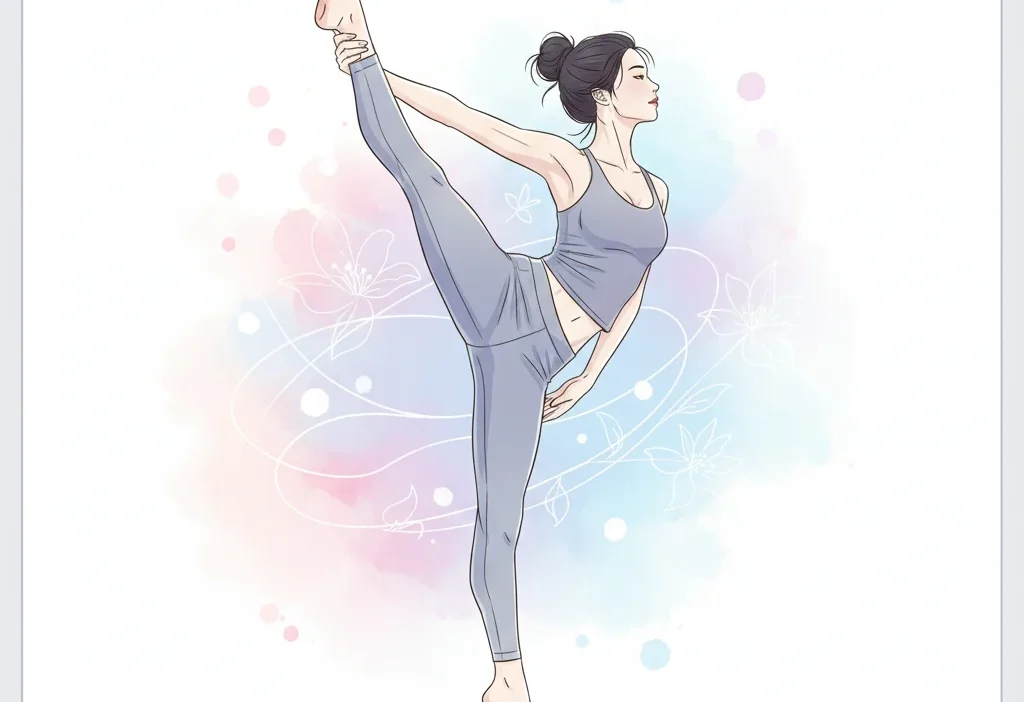
Lithe describes someone or something that is flexible, graceful, and easily bent or moved. It’s often used to describe people, movements, or objects that exhibit agility, elegance, and smoothness.
Many people encounter the word lithe in literature, descriptions, or everyday speech and wonder what it really means. Without understanding it, the context or compliment can be confusing. Lithe conveys grace, flexibility, and elegance, whether describing a dancer’s movements, an athlete’s agility, or a supple object.
Beyond physical traits, it can also imply effortless smoothness or adaptability, making it a versatile word in writing and conversation. Knowing its meaning helps in interpreting descriptions accurately and appreciating the subtle praise or imagery being conveyed.
Discover lithe’s meaning, uses, and examples to enhance both your vocabulary and understanding of descriptive language.
💡 What Does Lithe Mean?
“Lithe” means gracefully flexible, slim, and moving with effortless ease.
It’s an adjective used to describe people or movements that are supple, elegant, and fluid. The word is often used in literature, fitness, and fashion to highlight someone’s agility or graceful form.
Example:
“The gymnast’s lithe body moved smoothly through each routine.”
🕰️ Origin and Popularity
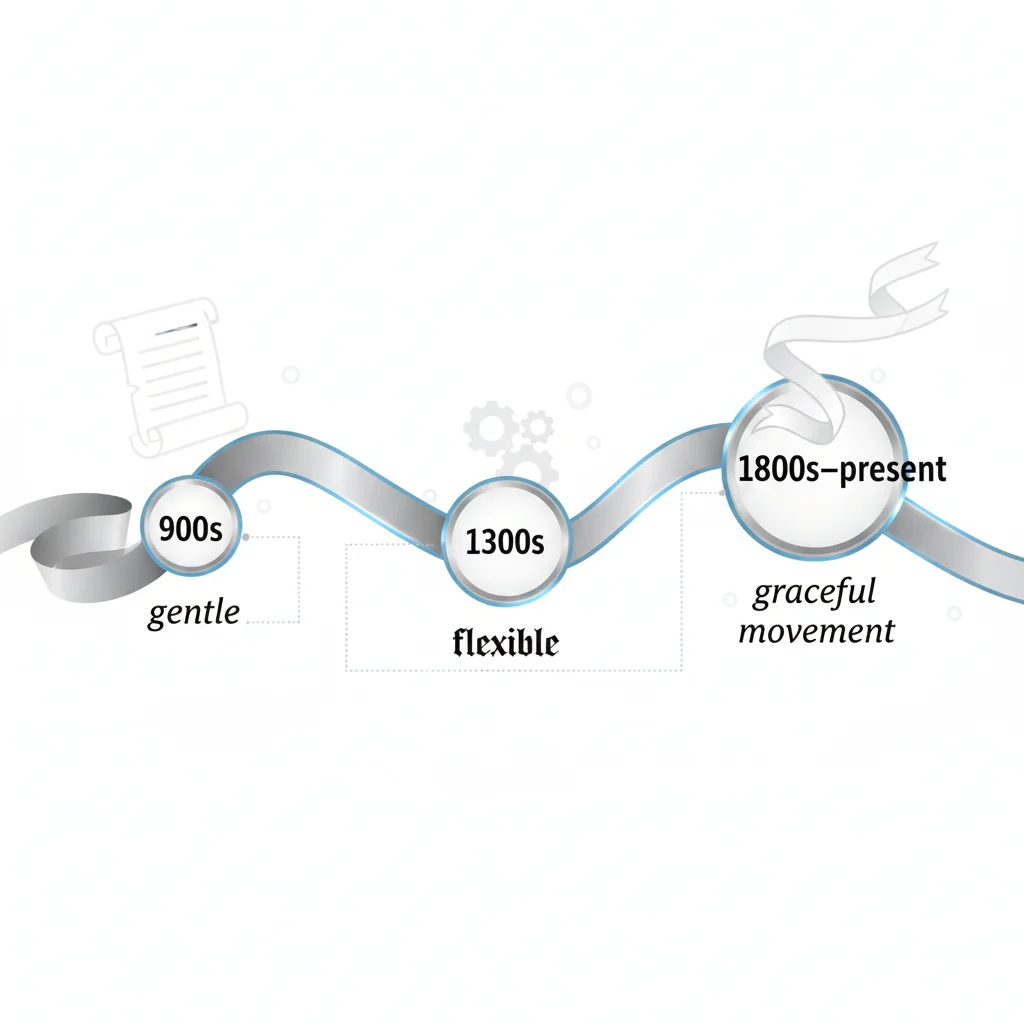
The word lithe comes from the Old English word līthe, meaning gentle, mild, or flexible. Over time, it evolved to describe both physical flexibility and graceful movement.
By the 14th century, it was commonly used in poetry and storytelling to portray elegance or beauty in motion — such as describing dancers, animals, or even trees swaying in the wind.
In modern English, lithe continues to appear in fitness culture, yoga descriptions, and literary writing. It’s admired for its soft, artistic tone. 🌿
🧘 Lithe Meaning in Different Contexts
🧍 In Everyday Conversation
Used to compliment someone’s body or posture:
“She has such a lithe figure — strong yet elegant.”
📚 In Literature or Art
Writers use lithe to add vividness and beauty to descriptions:
“The lithe branches of the willow brushed the water’s edge.”
🧘♀️ In Fitness or Yoga
Fitness trainers often use it to describe agility and flexibility:
“A lithe body comes from balance, strength, and mindful movement.”
| Context | Meaning of ‘Lithe’ | Tone |
| Conversation | Slim and graceful | Positive |
| Literature | Flexible and elegant imagery | Poetic |
| Fitness | Agile, strong, and flexible body | Motivational |
💬 Examples of ‘Lithe’ in Conversations
Example 1:
Friend 1: You’ve been practicing yoga lately, right?
Friend 2: Yeah! I’m finally getting more lithe — my movements feel smoother now.
Example 2:
“The dancer’s lithe frame captivated everyone in the audience.”
Example 3 (Formal):
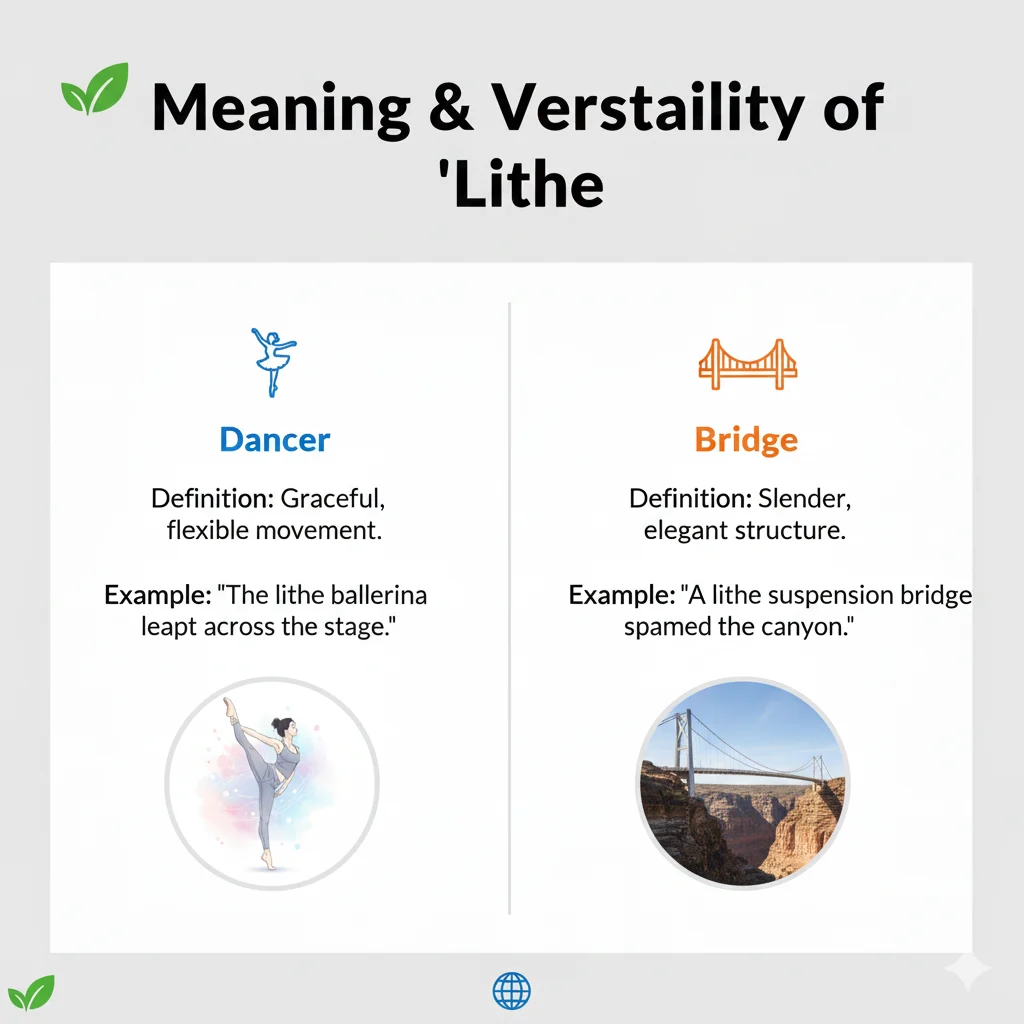
“Architects admired the lithe design of the new bridge, combining strength with beauty.”
🔍 Similar or Related Terms
| Word | Meaning | Difference from ‘Lithe’ |
| Supple | Easily bendable or flexible | Focuses on physical flexibility |
| Graceful | Elegant movement | Broader, includes manners or style |
| Agile | Quick and light in movement | Emphasizes speed and coordination |
| Slender | Thin or delicate build | Describes appearance, not movement |
These words are often used together with lithe to enhance descriptions, but lithe uniquely combines grace + flexibility. 🌸
🧠 How to Use ‘Lithe’ Correctly
✅ Do’s:
- Use it to describe movement, body, or design that feels elegant and smooth.
- Perfect for describing dancers, athletes, animals, or artistic forms.
❌ Don’ts:
- Don’t confuse lithe with thin — it’s about movement, not just body shape.
- Avoid using it in casual texting; it’s a literary or formal word.
Examples:
✅ “The cat stretched in a lithe motion before leaping away.”
❌ “He’s lithe because he eats less.” (Incorrect – it’s not about diet!)
⚠️ Common Mistakes or Misinterpretations
- Mistake 1: Thinking “lithe” only means skinny.
→ It actually means flexible and graceful, not merely thin. - Mistake 2: Using “lithe” for objects that don’t move.
→ Only use it for things that show motion or flow. - Mistake 3: Confusing it with “slim” or “sleek.”
→ Slim is visual; lithe is about elegance in motion.
❓ FAQ Section
1. What does ‘lithe’ mean in simple words?
“Lithe” means graceful, flexible, and easy-moving. It describes someone or something that moves smoothly and beautifully.
2. Is ‘lithe’ a compliment?
Yes! When used for people, it’s a positive and flattering word, often referring to their elegance and physical grace.
3. Is ‘lithe’ slang or formal?
It’s a formal and literary term, not slang. You’ll find it more in writing, poetry, or artistic descriptions than in texting.
4. What’s the difference between ‘lithe’ and ‘agile’?
Agile emphasizes quickness and coordination, while lithe focuses on grace and smooth motion.
5. Can ‘lithe’ describe non-human things?
Yes — it can describe trees, designs, or even melodies that flow or bend elegantly.
6. When should you not use ‘lithe’?
Avoid it when talking about personality traits or emotions. It’s strictly about physical or visual movement.
🏁 Conclusion
To sum it up, “lithe” means flexible, graceful, and fluid in movement. 🌿
It’s a timeless word with roots in Old English that beautifully captures elegance and strength combined.
Whether you’re describing a dancer, an animal, or a design, lithe adds sophistication and visual poetry to your words.
Now that you know the true lithe meaning, you’ll notice it everywhere — from novels to yoga studios! Keep exploring our site for more word meanings and fascinating language insights. ✨📚

Evie Wyld is a word-meaning specialist at Meanovia.com. She simplifies complex words, phrases, and language trends, helping readers quickly grasp the exact meaning behind every term in a clear and approachable way.