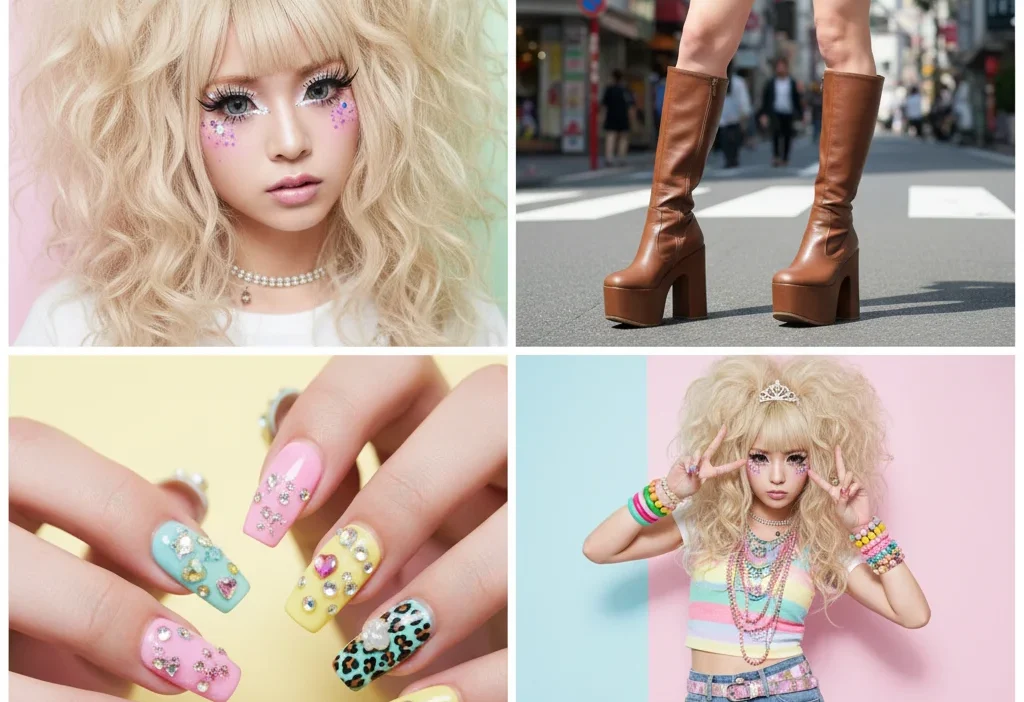
Ever seen the word “gyaru” while scrolling through TikTok or YouTube fashion videos and wondered what it means? 👀 If you’ve noticed people with bold makeup, tanned skin, and flashy fashion calling themselves “gyaru,” you’re witnessing one of Japan’s most iconic youth subcultures.
In this article, we’ll explore:
✨ The meaning of gyaru
🕰️ Its origin and rise in Japan
📱 How gyaru is used in different contexts (fashion, social media, personality)
💬 Real-life examples and related styles
🚫 Common misunderstandings and FAQs
By the end, you’ll know exactly what gyaru means and how it continues to influence global style today.
💖 What Does “Gyaru” Mean?
“Gyaru” (ギャル) is a Japanese slang term derived from the English word “gal,” meaning a young woman with a flashy, rebellious, and highly stylized appearance.
It describes both a fashion subculture and a lifestyle that emphasizes confidence, individuality, and fun.
“Gyaru” represents girls who break traditional Japanese beauty norms with bold makeup, tanned skin, and trendy outfits. 💄✨
🕰️ Origin and Popularity
The gyaru movement began in Japan during the 1990s, inspired by Western glamour, surf culture, and rebellion against conservative beauty standards.
It started when Japanese teens wanted to express freedom and individuality, moving away from the ideal of pale skin and modest dress.
Timeline of Gyaru’s Evolution:
| Decade | Trend | Highlights |
| Early 1990s | Original Gyaru | Casual, youthful, tanned look |
| Late 1990s | Ganguro Gyaru | Dark tans, white makeup, blonde hair 🌞 |
| 2000s | Hime Gyaru & Kogyaru | Princess-style and school-inspired fashions 👑 |
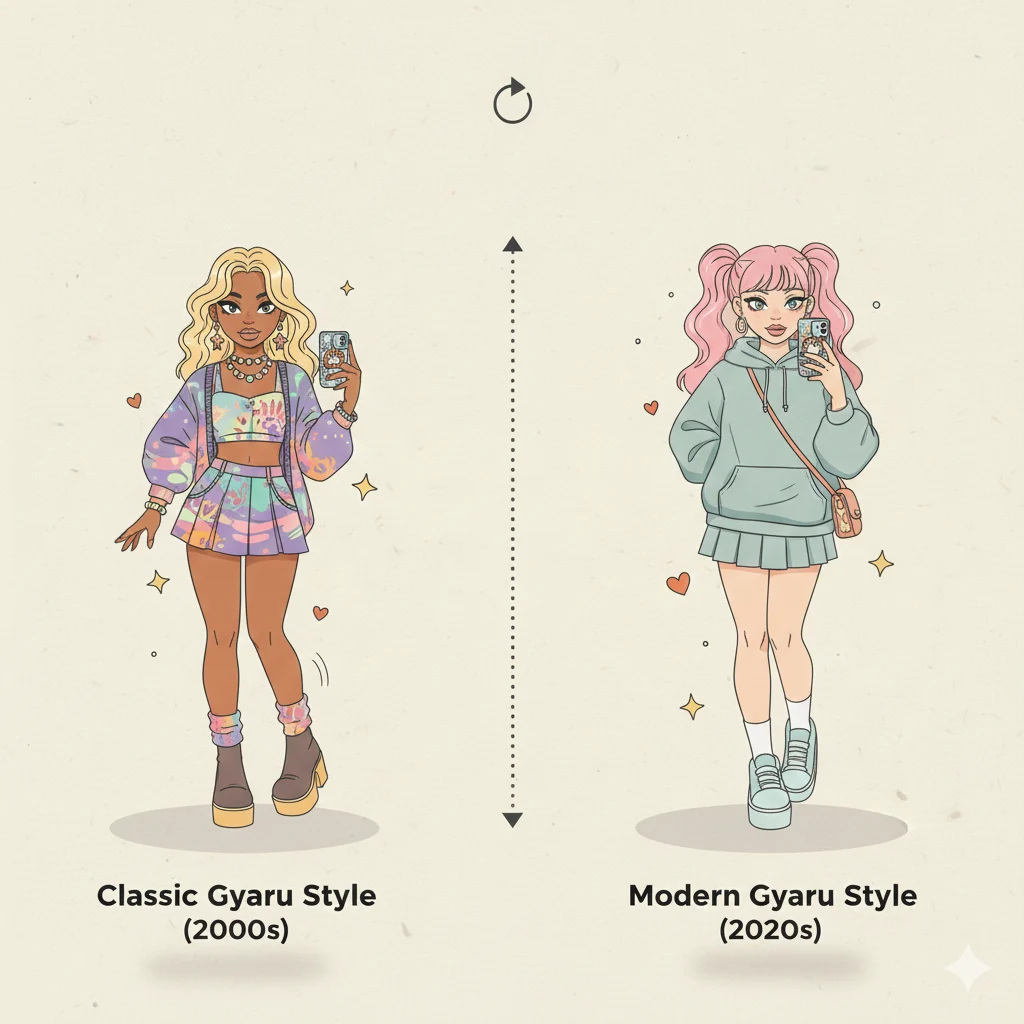
| 2010s–2020s | Neo-Gyaru | Modernized version blending Instagram trends with old-school flair 📱 |
The movement became a cultural symbol of self-expression, rebellion, and girl power in Japan.
💬 Gyaru Meaning in Different Contexts
👗 In Fashion and Culture
In Japan, gyaru refers to a fashion subculture known for:
- Tanned skin and bleached hair
- Dramatic eye makeup and false lashes
- Designer or DIY clothing with bold patterns
- Platform heels, nails, and accessories
It’s not just about clothes — it’s a statement of confidence and independence.
📱 On Social Media (TikTok / Instagram)
Today, gyaru is trending globally again thanks to influencers and creators showing off “Neo-Gyaru” looks.
- Hashtag use: #gyarufashion #neogyaru
- Meaning online: Stylish, bold, hyper-feminine aesthetic 💋
“She totally nailed that gyaru look with her tan and big lashes!”
💼 In Everyday Use
Outside of fashion, calling someone gyaru can simply mean they’re trendy, confident, or stylish — but in Japan, it can also imply a carefree, fun-loving attitude.
💄 Examples of ‘Gyaru’ in Conversations
Example 1:
Friend 1: Did you see her outfit today?
Friend 2: Yeah, total gyaru vibes — she looked amazing! 💅
Example 2:
Comment on TikTok:
“This makeup is giving classic gyaru energy!”
Example 3 (Cultural Reference):
“In 2000s Tokyo, the gyaru were fashion icons — loud, proud, and unforgettable.”
💫 Similar or Related Terms
| Term | Meaning | Relation to Gyaru |
| Ganguro | Dark-tanned gyaru look | Early, rebellious form 🌞 |
| Hime Gyaru | “Princess gal” with frilly dresses | Glamorous and elegant 👑 |
| Kogyaru | School-uniform inspired style | Youthful and trendy 🎀 |
| Onee Gyaru | Mature, classy version | More sophisticated ✨ |
| Yamanba | Extreme makeup and tan | The boldest version of gyaru 😎 |
These styles show how gyaru evolved into multiple subgenres — all celebrating freedom and fashion diversity.
🧍♀️ How to Use ‘Gyaru’ Correctly
✅ Do’s:
- Use gyaru to describe a specific Japanese fashion style or personality.
- Mention it when referring to bold, confident, and expressive looks.
❌ Don’ts:
- Don’t use it to label someone just for being “girly.”
- Avoid using it negatively — it’s a celebration of individuality, not vanity.
Example:
✅ “She’s rocking a full gyaru transformation!”
❌ “She’s so gyaru — must be fake.”
⚠️ Common Mistakes or Misinterpretations
- Mistake 1: Thinking gyaru just means “girl.”
→ It’s not just any girl — it’s a specific subculture with style and attitude. - Mistake 2: Confusing it with cosplay.
→ Gyaru is real-life fashion, not a costume. - Mistake 3: Believing gyaru disappeared.
→ The trend evolved into Neo-Gyaru and remains alive on social media and street fashion.
❓ FAQ Section
1. What does “gyaru” mean in Japanese?
“Gyaru” (ギャル) means “gal” — referring to fashionable, confident young women who embrace flashy makeup and bold fashion.
2. Is ‘gyaru’ a positive or negative term?
It depends on context. Traditionally, it was rebellious, but today it’s often celebrated as a symbol of freedom, beauty, and individuality.
3. What’s the difference between “gyaru” and “ganguro”?
Ganguro is a darker, more exaggerated version of gyaru with heavy makeup and deep tans.
4. Is “gyaru” still popular today?
Yes! Modern influencers have revived it as Neo-Gyaru, mixing classic gyaru aesthetics with modern fashion trends.
5. Can anyone be gyaru?
Absolutely 💕 — gyaru is about attitude and confidence, not nationality or body type.
6. What inspired the gyaru culture?
Western glam, California surfer vibes, and a desire to break traditional Japanese beauty norms.
🌼 Conclusion
To sum it up, “gyaru” means a stylish, confident, and rebellious girl who expresses herself through bold fashion and makeup. 🌸
What started as a 1990s youth rebellion in Japan has now become a global aesthetic representing self-expression and empowerment. Whether through ganguro, hime, or neo-gyaru styles, the message remains the same — be bold, be yourself, and own your look! 💋✨
Now that you know the real gyaru meaning, you’ll spot this trend everywhere — from Harajuku streets to your Instagram feed!

Claire Fuller is a word-meaning specialist at Meanovia.com. She explains complex words, phrases, and language trends in a clear, relatable way, helping readers quickly understand the exact meaning behind every term.