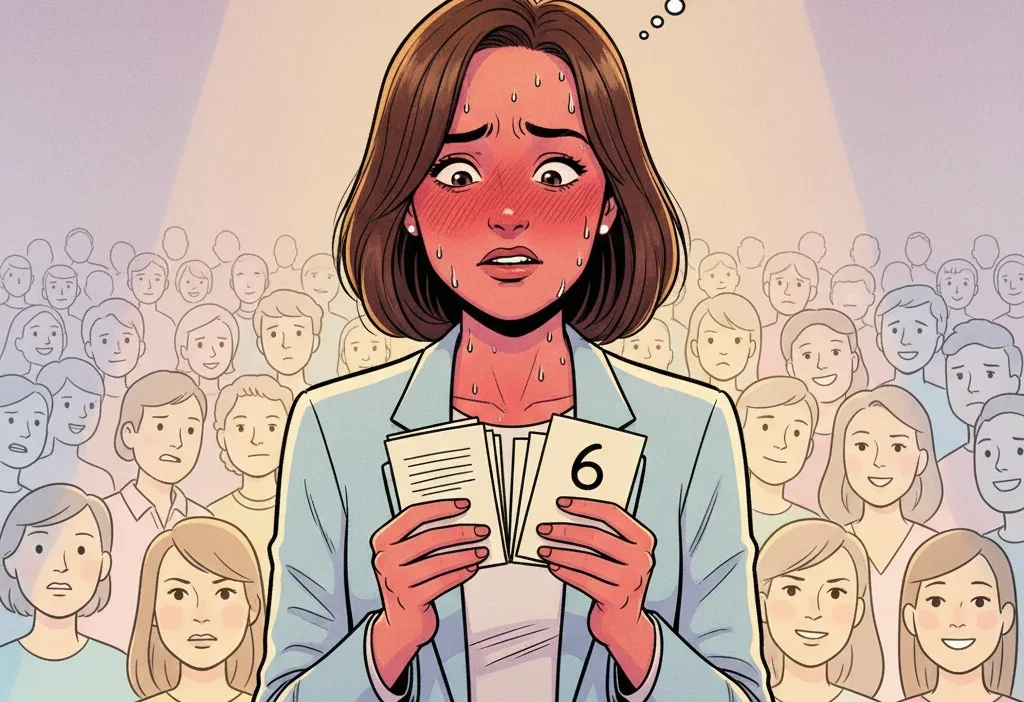
Ever found yourself tongue-tied, blushing, or fumbling your words during an awkward moment — maybe while giving a presentation or talking to your crush? That’s what being flustered feels like!
In this guide, we’ll break down what “flustered” means, where it came from, and how it’s used in everyday conversations, movies, and even business settings. You’ll also see examples, similar words, and answers to FAQs so you’ll never misuse it again.
🧠 What Does “Flustered” Mean?
“Flustered” means feeling confused, nervous, or embarrassed — especially when under pressure or caught off guard.
It’s an adjective used to describe emotional or mental agitation. You’ll hear it often in daily conversation, movies, and writing when someone appears unsettled or anxious.
Example:
“She got flustered when everyone started asking questions at once.”
📜 Origin and Popularity of “Flustered”
The word “flustered” comes from the verb “fluster,” which first appeared in English during the 15th century. Originally, it meant “to scatter or confuse” — much like how birds flutter when startled (a possible link to “flutter”).
Over time, its meaning evolved to describe people feeling unsettled or embarrassed.
By the 20th century, “flustered” became common in both British and American English, often used to describe mild emotional distress in social or stressful situations.
Pop culture has kept the word alive — think of sitcom scenes where a character drops their coffee or stammers mid-sentence — a classic flustered moment!
💬 “Flustered” Meaning in Different Contexts
Let’s see how “flustered” appears in various real-world situations 👇

✉️ In Everyday Conversation
Used to describe momentary embarrassment or confusion.
“I got so flustered when he complimented me out of nowhere!”
💼 In Business or Professional Settings
Refers to losing composure under stress — often seen in meetings or interviews.
“The manager stayed calm while the new intern looked flustered during the presentation.”
🎬 In Pop Culture or Media
Commonly used in movies, books, and TV shows to portray nervousness or romantic awkwardness.
“The heroine looked adorably flustered when the hero smiled at her.”
| Context | Typical Emotion | Example |
|---|---|---|
| Texting | Embarrassed or nervous | “Ugh, I got so flustered!” |
| Workplace | Stressed or uneasy | “He looked flustered after the tough question.” |
| Movies | Cute or funny awkwardness | “She was flustered but happy.” |
🌟 210+ Unique 🌟 Angel Number Meaning & Symbolism 2025 Collection!
💭 Examples of “Flustered” in Conversations
Here are a few real-life-style examples showing how the word is used naturally:
Example 1 (Casual):
A: “Did you talk to him?”
B: “Yeah, but I got so flustered, I forgot what I wanted to say!”
Example 2 (Romantic):
A: “You’re blushing!”
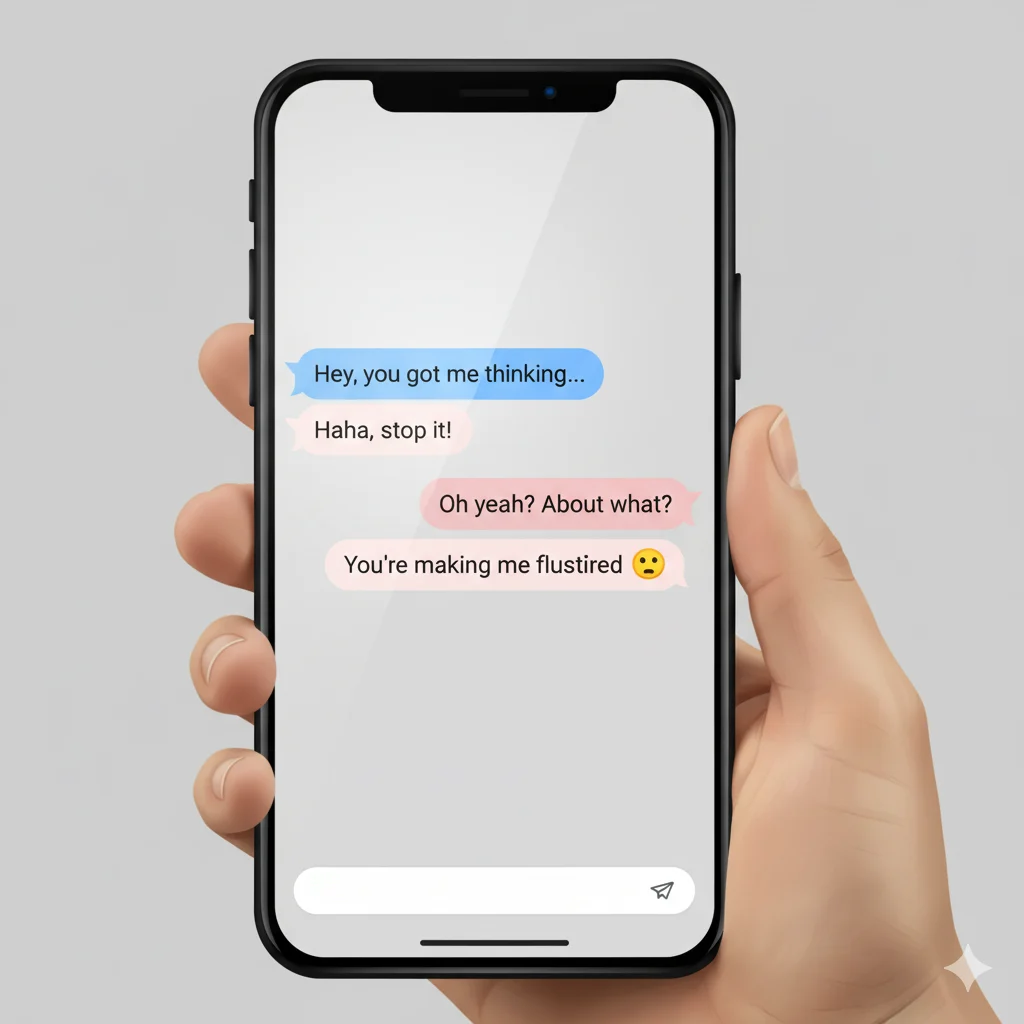
B: “Stop it, you’re making me flustered!”
Example 3 (Professional):
“The speaker became flustered when the microphone stopped working.”
🔁 Similar or Related Terms
Here are a few related words and how they differ:
| Word | Meaning | Difference |
|---|---|---|
| Embarrassed | Feeling awkward or ashamed | Usually stronger than “flustered.” |
| Nervous | Anxious or uneasy | Doesn’t always involve confusion. |
| Agitated | Emotionally disturbed or upset | More intense or emotional. |
| Confused | Unable to think clearly | “Flustered” often includes emotional reaction too. |
✅ How to Use “Flustered” Correctly
When using “flustered,” remember:
Do’s:
- ✅ Use it to describe mild confusion or nervousness.
- ✅ Works in both casual and formal speech.
- ✅ Combine with adverbs like “a little,” “quite,” or “really.” “She seemed really flustered after the surprise.”
Don’ts:
- ❌ Don’t use it to describe extreme anger or sadness.
- ❌ Avoid using it sarcastically — it usually carries sincere emotion.
⚠️ Common Mistakes or Misinterpretations
- Confusing “flustered” with “frustrated.”
→ “Flustered” = nervous or embarrassed; “frustrated” = upset or annoyed. - Using it for physical tiredness.
→ It’s about emotional or mental confusion, not fatigue. - Thinking it’s slang.
→ It’s standard English, suitable for both formal and informal contexts.
❓ FAQs About “Flustered”
1. What does “flustered” mean in texting?
It means someone feels nervous, shy, or embarrassed — often in a cute or flirty way. For example: “You’re making me flustered 😳.”
2. Is “flustered” slang or formal?
It’s not slang. “Flustered” is a regular English adjective used in both spoken and written communication.
3. What’s the difference between “flustered” and “embarrassed”?
“Embarrassed” implies shame or awkwardness, while “flustered” is more about nervous confusion or being caught off guard.
4. How do you reply if someone says they’re flustered?
You can respond kindly — “Aww, don’t worry!” or “Take a deep breath, it’s fine!” — depending on context.
5. Where is “flustered” most used?
It’s common in English-speaking countries like the US and UK, especially in daily talk, literature, and online conversations.
6. When should you not use “flustered”?
Avoid it when describing anger or sadness — use words like “upset” or “frustrated” instead.
🪞 Conclusion
Now you know that being “flustered” simply means feeling nervous, confused, or embarrassed, often in unexpected or high-pressure moments.
The word has been part of English for centuries, and it’s still used today — from romantic texts to business meetings — to describe those perfectly human moments when emotions take over logic.
So next time you feel a little flustered, take a deep breath — you’re in good company! 😅
👉 Keep exploring our site for more meanings and slang explanations that make everyday communication clearer and more fun.

Jon McGregor is a language and word-meaning expert at Meanovia.com. He specializes in explaining complex words, phrases, and modern language trends in a clear, approachable style. His mission is to help readers quickly grasp the true meaning behind every term, making language learning and understanding effortless and engaging.