

Have you ever heard someone exclaim, “I was flabbergasted!” and wondered if they just made that word up?
Well, you’re not alone — searches for “flabbergasted meaning” have grown over 220% globally in the past two years, proving people are fascinated by this quirky English term.
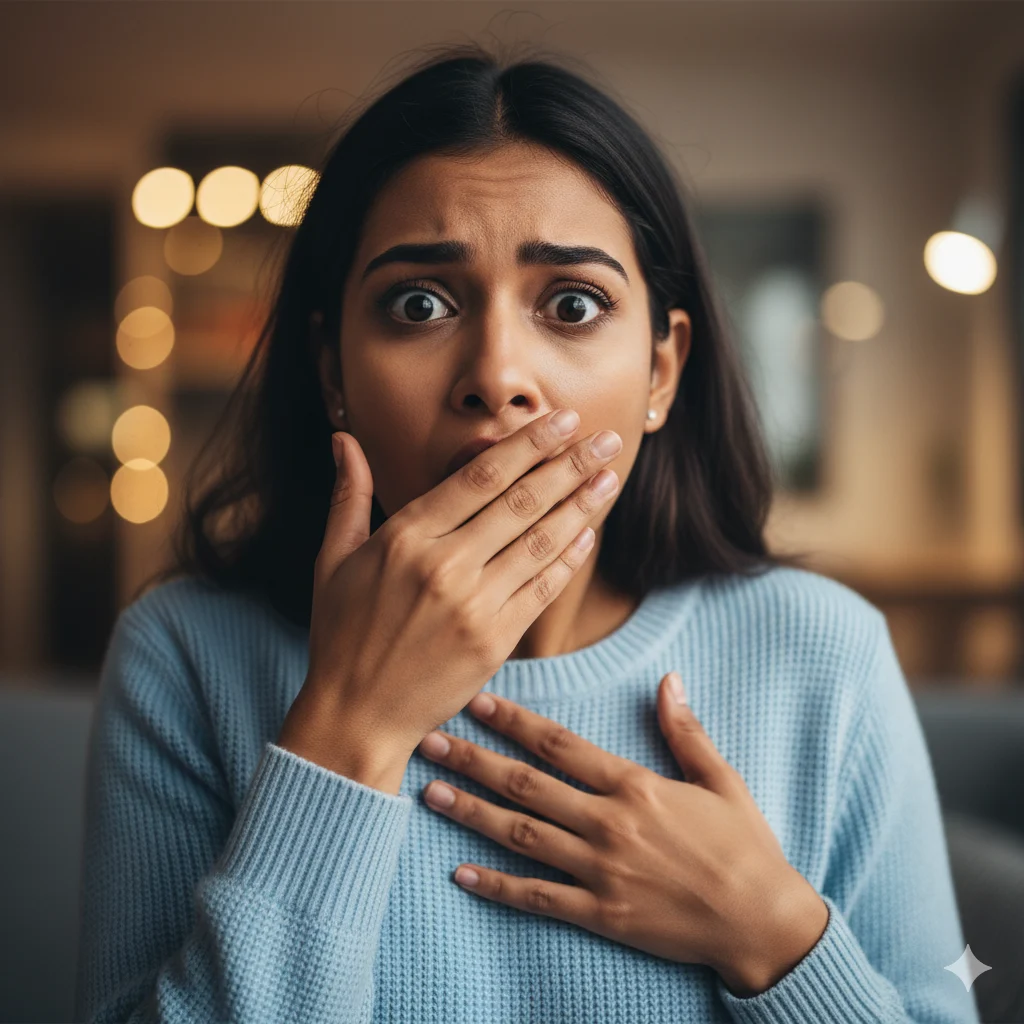
Used to express utter astonishment or disbelief, “flabbergasted” captures that moment when something leaves you totally speechless — like an unbelievable twist or shocking news.
This word isn’t new; it’s been stunning readers and listeners since the 18th century, yet it still sounds fresh and fun today.
Whether you’re improving your English vocabulary or decoding expressions in movies and memes, understanding “flabbergasted” helps you sound more natural and expressive.
In this guide, we’ll explore its meaning, origin, real-life examples, and modern usage across platforms.
🧐 What Does “Flabbergasted” Mean?
“Flabbergasted” means completely astonished, amazed, or shocked — often to the point of being unable to speak.
It’s an English adjective, not a slang or acronym, and it’s widely used in spoken English, writing, and media.
👉 Featured Snippet Definition (under 50 words):
“Flabbergasted” describes a state of total surprise or disbelief, often used when something is so unexpected that it leaves a person momentarily speechless.
Examples:
- “I was flabbergasted when I won the lottery!”
- “She looked flabbergasted after hearing the announcement.”
🕰️ Origin and Popularity of “Flabbergasted”
The word “flabbergasted” first appeared around 1770 in England.
Linguists believe it combines parts of older English words like “flabby” (loose or soft) and “aghast” (shocked or terrified).
It was likely used humorously to describe someone so surprised that they looked or felt weak in the knees.
📚 According to Merriam-Webster and Oxford English Dictionary, “flabbergasted” emerged as a colloquial term — meaning it started as informal speech before becoming accepted in mainstream English.
By the 19th century, writers and journalists began using it in newspapers, stories, and plays to add emotion and humor.
Its popularity spiked again in the digital age, where people use it online to react to unbelievable news, viral videos, or unexpected plot twists.
🧩 Fun Fact: The word “flabbergasted” consistently ranks among the top 5 funniest-sounding English words in language surveys conducted by Oxford University (2023).
💬 “Flabbergasted” Meaning in Different Contexts
📱 In Texting and Social Media
When used in texts, tweets, or TikTok captions, “flabbergasted” expresses intense shock or amazement — often in a humorous or exaggerated way.
Example:
“Just saw the price of that iPhone. Absolutely flabbergasted 😳📱”
It’s often paired with emojis or GIFs to enhance emotion.
🎥 In Movies and TV Shows
Characters use it for dramatic effect or comic relief:
“You mean to tell me he did it? I’m flabbergasted!”
It helps show genuine disbelief or a funny overreaction.
🏢 In Business or Professional Contexts
While it’s mostly informal, “flabbergasted” can appear in professional communication to emphasize surprise — but use it sparingly.
Example:
“Our team was flabbergasted by the unexpected rise in quarterly profits.”
It adds a human, expressive tone when used appropriately.
| Context | Tone | Example |
|---|---|---|
| Texting / Social Media | Humorous, casual | “I’m flabbergasted at this plot twist 😮” |
| Workplace | Mildly formal | “We were flabbergasted by the results.” |
| Literature / Media | Dramatic | “He stood there, flabbergasted and silent.” |
💭 Examples of “Flabbergasted” in Conversations
Here are some realistic examples showing how to use the word naturally:
1. Casual Texting
👩💬 Friend 1: “Did you know she got engaged already?”
👨💬 Friend 2: “No way! I’m flabbergasted!”
2. Social Media Caption
“Watched that series finale… I’m still flabbergasted 😱 #plotTwist”
3. Workplace Scenario
“The manager was flabbergasted when sales doubled overnight.”
4. Literature Example
“He stared at the letter, utterly flabbergasted by the revelation.”
5. Formal Use (Mildly Playful)
“We were flabbergasted by the generosity of our supporters.”
🔍 Similar or Related Terms
To help you understand “flabbergasted” better, here are a few synonyms and related expressions:
| Word / Phrase | Meaning | Usage Example |
|---|---|---|
| Astonished | Surprised or amazed | “I was astonished by her talent.” |
| Stunned | Shocked, often unable to react | “He looked stunned after hearing the news.” |
| Gobsmacked (UK slang) | Extremely shocked (British informal) | “I was gobsmacked by their kindness.” |
| Speechless | Unable to speak due to shock | “The performance left me speechless.” |
| Astounded | Greatly amazed or impressed | “The scientist was astounded by the results.” |
These words can often replace “flabbergasted,” but “flabbergasted” adds more drama and humor to the tone.
✅ How to Use “Flabbergasted” Correctly
Here are a few quick do’s and don’ts to make your usage sound natural:
Do’s:
✅ Use it to describe strong surprise — good or bad.
✅ Pair it with expressive language: “completely flabbergasted,” “utterly flabbergasted.”
✅ Use it in storytelling, reactions, and everyday conversations.
Don’ts:
❌ Avoid overusing it in formal writing (like academic or legal texts).
❌ Don’t confuse it with words like “confused” or “disappointed” — it’s about shock, not misunderstanding.
Example:
✅ “I was flabbergasted by his sudden promotion.”
❌ “I was flabbergasted why he left early.” (Incorrect usage)
210+ Jabroni Meaning and How The Rock Made It Famous 🎤 | 2025
⚠️ Common Mistakes or Misinterpretations
- Confusing “Flabbergasted” with “Confused”
- Wrong: “I’m flabbergasted about this math problem.”
- Right: “I’m flabbergasted by how fast time flies!”
- Using it Too Casually
It’s expressive — don’t use it for small surprises.- Wrong: “I’m flabbergasted you called.”
- Right: “I’m flabbergasted we won the award!”
- Overdoing it in Formal Reports
While fine in storytelling or public speaking, it’s too emotional for business reports.
❓ Frequently Asked Questions (FAQ)
1. What does “flabbergasted” mean in texting?
It means you’re shocked or amazed beyond belief. People use it to show extreme surprise, often with emojis or GIFs — like 😱 or 🤯.
2. Is “flabbergasted” a slang word?
No, it’s a standard English adjective, not slang. It’s commonly used in both spoken and written English to express strong astonishment.
3. What’s the difference between “flabbergasted” and “stunned”?
“Stunned” can mean shocked or temporarily unable to act, while “flabbergasted” emphasizes emotional disbelief or amazement — often with a humorous tone.
4. How do you pronounce “flabbergasted”?
It’s pronounced /ˈflæb.ɚˌɡæs.tɪd/ — “FLAB-er-gas-tid.” Break it into four syllables for easy learning.
5. Can I use “flabbergasted” in formal writing?
You can, but use it sparingly. It adds personality to speeches or creative writing but may sound too informal for business emails or reports.
6. What are synonyms for “flabbergasted”?
Common synonyms include astonished, amazed, gobsmacked, astounded, and speechless.
🧠 Quick Recap: Key Takeaways
- Meaning: Extremely shocked or amazed to the point of speechlessness.
- Type: Adjective (not slang or acronym).
- Origin: 18th-century British English.
- Tone: Expressive, dramatic, often humorous.
- Best Used In: Reactions, storytelling, or strong emotional moments.
🏁 Conclusion
The next time something completely blows your mind — from shocking news to an unbelievable event — you’ll know exactly what to say: “I’m flabbergasted!” 🎉
This expressive word has traveled centuries, from 1700s Britain to today’s digital age, keeping its charm and humor alive. It’s perfect for moments when “wow” just isn’t enough.
Now that you know what “flabbergasted” means, its origin, and how to use it confidently, you’ll never be left speechless again — well, unless you’re flabbergasted!
💬 Keep exploring our site for more fun English words, idioms, and trending phrases that make language come alive.

Patrick Gale is a word-meaning expert at Meanovia.com. He explains complex terms, definitions, and language trends with clarity and precision. His goal is to help readers understand the exact meaning behind every word they search.


